




Seven thousand girls occupied one stadium. That number alone says something. But what brought them there matters more than the crowd itself.
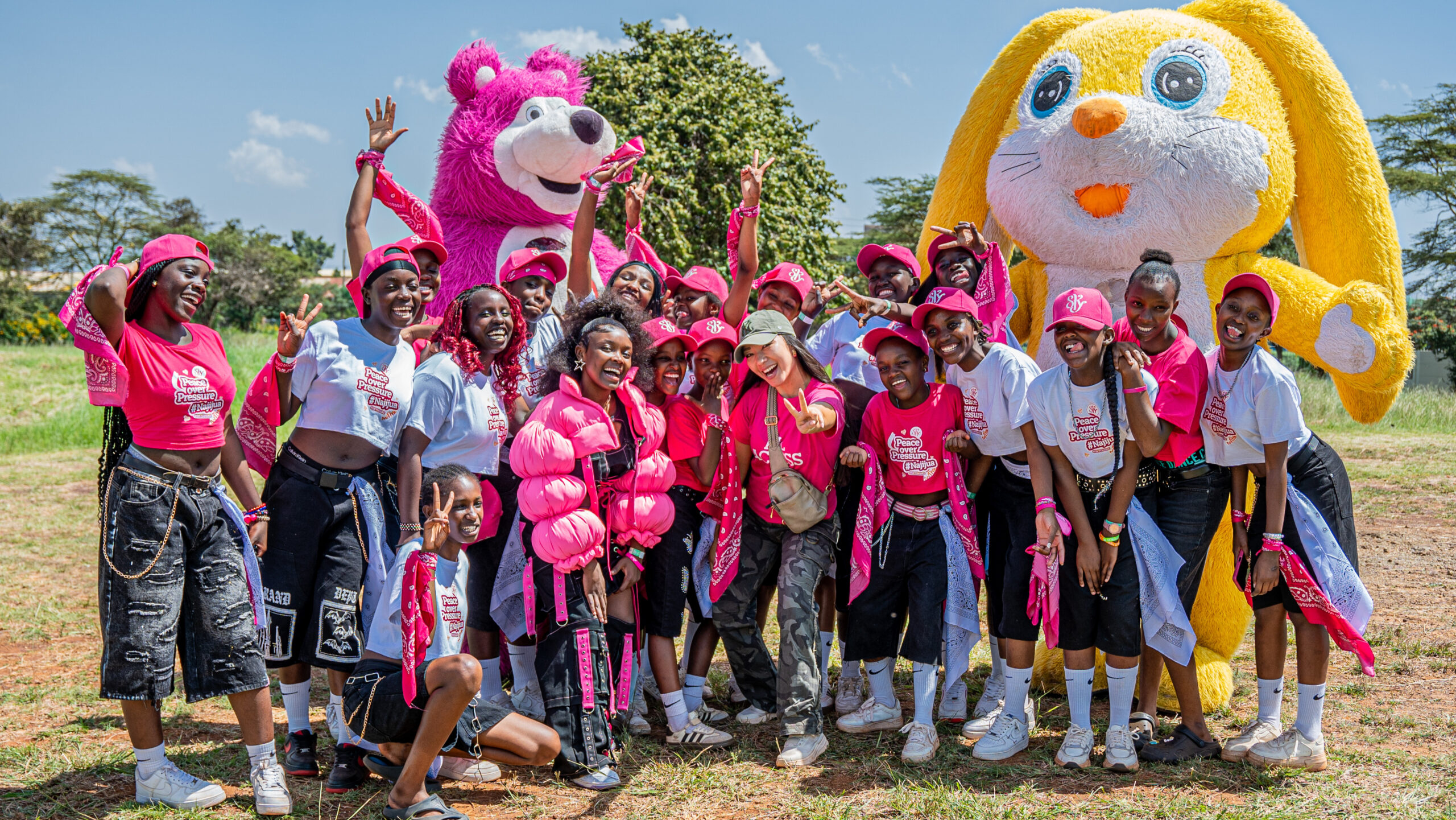
SKY Girls Kenya, the initiative that started in 2020 with a focus on tobacco prevention and girl empowerment, gathered girls from more than 45 Nairobi schools for a day built around music, mentorship, storytelling and peer connection. The fifth edition of SKY FEST ran under the theme “Peace Over Pressure #Najijua,” a message that speaks directly to the daily reality facing teenage girls across Kenya.
Why peace over pressure is not a slogan
The pressure is real and the data backs it. Approximately one in five Kenyan girls between 15 and 19 is either pregnant or already a mother, according to the 2022 Kenya Demographic and Health Survey. Adolescent pregnancy ranks among the leading causes of school dropout in the country, and research consistently identifies peer pressure as one of the primary drivers of early sexual debut among secondary school girls. A 2023 study found that peer pressure contributes to more than half of all cases of student misconduct in Kenyan schools, including involvement in tobacco use, unprotected sex and relationships with older partners.
These are not abstract risks. They are the decisions that shape the rest of a teenage girl’s life. SKY Girls Kenya’s “Peace Over Pressure” campaign sits squarely inside that reality, equipping girls with the internal steadiness to push back against those pressures before they reach a crisis point.
What the festival actually does
SKY FEST is not a lecture. It does not arrive with a clipboard of warnings. Instead, it meets girls on their own terms, through artists, creators and performers they already follow. Every performer on the SKY FEST stage — this year including Azeezah Hashim, Njerae, DJ Bee, DJ Ader and Mr. Tee — earns their place through a co-creation model where girls themselves nominate who they want. Each nominee then passes SKY Girls Kenya’s safeguarding and conduct review before stepping on stage. The result is a programme that feels chosen, not imposed.
That distinction matters. Research on adolescent behaviour change consistently shows that girls are far more receptive to health messaging when it reaches them through voices and faces they trust. Surrounding that message with music, humour and honest peer storytelling is not a compromise on substance. It is the method.
Five years of measurable change
SKY Girls Kenya tracks outcomes, not just attendance. Among girls actively engaged through the programme:
- 62% confidently resist peer pressure
- 54% decrease in cigarette use
- 67% increase in the ability to stand up for themselves
These figures represent behaviour change, not just participation. They sit alongside a broader track record: in 2025 alone, nearly 10,000 girls across Nairobi and Kisumu attended SKY FEST. The 2026 edition, with Nairobi already at 7,000 and Kisumu scheduled for 13 June with an expected 5,000 attendees, will surpass that total and bring the nationwide reach to over 12,000 girls in a single year.
What the director said about it
“SKY FEST creates something many adolescent girls need: a safe, joyful space to connect with their peers and feel part of a wider sisterhood. Beyond the music, performances, and fun, SKY FEST is designed to help girls learn, reflect, and commit to positive choices around their bodies, health, and future. It is a day that reminds them that they have the power to choose their peace, their confidence, and their own path over any external pressure.”
— Svetlana Polikarpova, Director, SKY Girls Kenya Initiative
From tobacco prevention to a national movement
SKY Girls Kenya launched in 2020 with a specific mandate: reduce tobacco uptake among teenage girls and build confidence in those most at risk. Six years on, the programme covers ground far beyond that original brief. It now addresses pregnancy prevention, HPV vaccination awareness, HIV prevention, gender equality and mental wellbeing, reaching girls through magazines, digital content, school programmes and safe community spaces. Partnerships with the Ministry of Education and the Ministry of Health give the programme institutional reach, placing it inside the national conversation on adolescent welfare rather than beside it.
The scale of school participation reflects that trust. More than 45 schools in Nairobi and 38 in Kisumu committed to send girls to this year’s festival.
Kisumu is next
The Kisumu edition of SKY FEST 2026 takes place on 13 June and is expected to draw more than 5,000 girls. For families and communities in western Kenya, it delivers the same proposition the Nairobi event carried: a full day in which a teenage girl is surrounded by people who take her future seriously, and who express that seriousness through something that feels like a celebration rather than a warning.
That combination — rigorous intent delivered through genuine joy — is what has built SKY Girls Kenya’s credibility with parents, schools and the girls themselves over five years. The numbers at Kasarani on 23 May confirm it is still working.
