



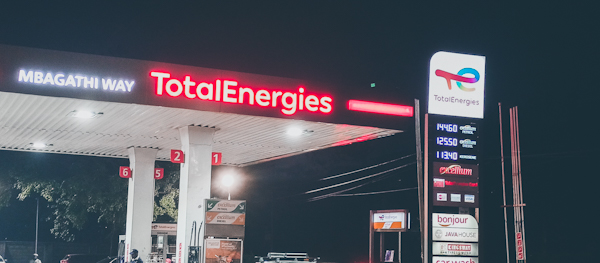
The Energy and Petroleum Regulatory Authority (EPRA) has raised fuel prices for the period running from 15 May to 14 June 2026, the second consecutive month of increases as disruptions to global oil supply routes continue to lift the cost of imported petroleum products.
The announcement was signed by Dr (Eng.) Joseph Oketch, Acting Director General, on 14 May 2026.
What You Pay at the Pump From 15 May
In Nairobi, super petrol now retails at KShs 214.25 per litre, up KShs 7.28 from KShs 206.97 in the previous cycle. Diesel rises KShs 46.29 to KShs 242.92 per litre. Kerosene stays unchanged at KShs 152.78 per litre.
Prices vary by location because transport costs from the Mombasa port differ across the country. The table below shows the maximum pump prices for major towns:
| Town | Super Petrol (KShs/L) | Diesel (KShs/L) | Kerosene (KShs/L) |
|---|---|---|---|
| Mombasa | 211.09 | 239.64 | 149.49 |
| Nairobi | 214.25 | 242.92 | 152.78 |
| Nakuru | 213.15 | 242.33 | 152.21 |
| Eldoret | 213.92 | 243.15 | 153.03 |
| Kisumu | 213.91 | 243.14 | 153.03 |
| Mandera | 234.90 | 265.10 | 174.96 |
| Moyale | 229.10 | 258.86 | 168.72 |
| Marsabit | 226.55 | 256.13 | 165.99 |
What Drove the Increase
Kenya imports all its petroleum products in refined form. International prices are denominated in US dollars, and those prices have climbed sharply over recent months.
The average landed cost of super petrol rose 10 percent from US$823.87 per cubic metre in March 2026 to US$906.23 in April 2026. Diesel rose 20.32 percent from US$1,073.82 to US$1,291.98 per cubic metre over the same period. Kerosene rose 1.59 percent from US$1,311.93 to US$1,332.73 per cubic metre.
The exchange rate used in the computation was KShs 129.56 to the US dollar.
The context behind these numbers: the February 2026 US and Israeli strikes on Iran triggered disruption to shipping through the Strait of Hormuz, the passage through which approximately 20 percent of the world’s oil supply moves. The March and April 2026 cargoes captured the full weight of that disruption, and those costs now flow through to the pump.
How the Government Cushioned the Increase
Without government intervention, pump prices would have risen further. EPRA calculated prices based on 8 percent VAT on petroleum products under Legal Notice No. 70 dated 15 April 2026. The government deployed approximately KShs 5 billion from the Petroleum Development Levy Fund to subsidise diesel and kerosene prices for this cycle.
From the official cost breakdown for Nairobi, the subsidy on diesel stands at KShs 14.51 per litre and on kerosene at KShs 91.29 per litre. Without that support, both products would cost considerably more at the pump.
| Cost Component | Super Petrol (KShs/L) | Diesel (KShs/L) | Kerosene (KShs/L) |
|---|---|---|---|
| Landed cost | 117.82 | 167.51 | 172.66 |
| Storage and distribution | 4.99 | 4.78 | 4.76 |
| Marketing margins | 17.39 | 17.31 | 17.24 |
| Subsidy | 0.00 | (14.51) | (91.29) |
| Taxes and levies | 74.05 | 67.83 | 49.42 |
| Retail price | 214.25 | 242.92 | 152.78 |
Taxes and levies included in the retail price cover excise duty, road maintenance levy, petroleum development levy, petroleum regulatory levy, railway development levy, anti-adulteration levy, merchant shipping levy, import declaration fee, and VAT.
What the Law Society of Kenya Said
Law Society of Kenya President Charles Kanjama called for broader government action in response to the announcement.
“The sharp increase in fuel prices announced by EPRA, particularly the KShs 46.29 rise in diesel prices, will inevitably intensify pressure on households, public transport, small businesses and the overall cost of living,” he said. “Diesel remains central to transport, food production and commercial activity, meaning the inflationary impact of this adjustment will be felt across the economy, especially by ordinary Kenyans already under strain.”
Kanjama acknowledged the KShs 5 billion subsidy but said it did not go far enough. He pointed to what he described as a constitutional obligation under Article 201 to ensure public finance promotes an equitable society, and called for greater transparency in how petroleum taxation and levies are structured and applied.
“The government should urgently consider additional measures to cushion vulnerable sectors, strengthen oversight against price exploitation and ensure that public policy and revenue generation remain anchored in equity, social protection and economic justice,” he said.
What Comes Next
EPRA will announce new prices on or before 14 June 2026, when the current cycle closes. The direction of the next adjustment will depend on whether international oil prices ease, whether the Strait of Hormuz disruption persists, and how much of the Petroleum Development Levy Fund the government deploys in the next cycle.
For households that rely on kerosene for cooking and lighting, the subsidy currently absorbs KShs 91.29 per litre. That buffer exists for now. Whether it holds through June depends on budget decisions that are not yet public.
