



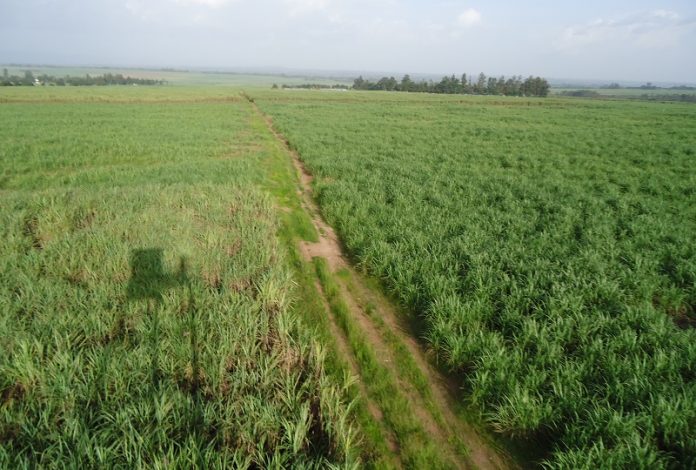
Kenya’s government has lowered the minimum sugarcane price from Ksh 5,750 to Ksh 5,500 per tonne, following a review that weighed farmer welfare against the financial pressures facing sugar millers in a market flooded with new supply.
The Kenya Sugar Board issued the directive on April 24, 2026, ordering all millers to adopt the new price immediately and maintain prompt payments to farmers. The adjustment followed deliberations by the 4th Interim Sugarcane Pricing Committee, which consulted industry stakeholders and assessed current market conditions before reaching a decision.
Why the Price Dropped
Millers had pushed hard for a steeper cut. Sources close to the negotiations say some factories lobbied for Ksh 5,000 per tonne, arguing that rising production costs and falling sugar retail prices were eroding their margins. The government held firm at Ksh 5,500, choosing to absorb some of that pressure rather than pass the full burden onto farmers.
The backdrop to this decision is a sharp rise in sugar production. Four previously dormant state-owned factories, now leased to private operators, have resumed operations and boosted factory output significantly. Greater cane availability has pushed more sugar onto the local market, pulling retail prices down. A 50 kg bag of sugar, which previously retailed at around Ksh 7,000, has since dropped, and that decline fed directly into the pricing committee’s calculations.
When raw material costs stay high while sugar prices fall, millers face a genuine squeeze. Sustaining operations becomes harder, and the risk of factory closures grows. The revised price attempts to balance both sides of that equation.
Kenya Still Leads the Region
Even at the reduced rate, Kenyan farmers earn more per tonne than their counterparts in neighbouring countries. Farmers in Tanzania receive approximately Ksh 4,900 per tonne, while those in Uganda earn around Ksh 4,500. The government points to this gap as evidence that the revision does not constitute exploitation, and that Kenyan growers remain among the best-compensated in East Africa.
The price review sits within a wider reform agenda championed by Agriculture Cabinet Secretary Sen. Mutahi Kagwe, which targets the revival of the entire sugar sector. The reforms aim to stabilise mill operations, attract long-term investment, and build an industry where farmers earn fairly without driving factories into the ground.
The stated goal remains consistent: reduce Kenya’s dependence on sugar imports, keep factories running, and ensure growers receive a sustainable return. Whether the Ksh 5,500 floor achieves that balance will depend on how retail prices move in the months ahead.
