


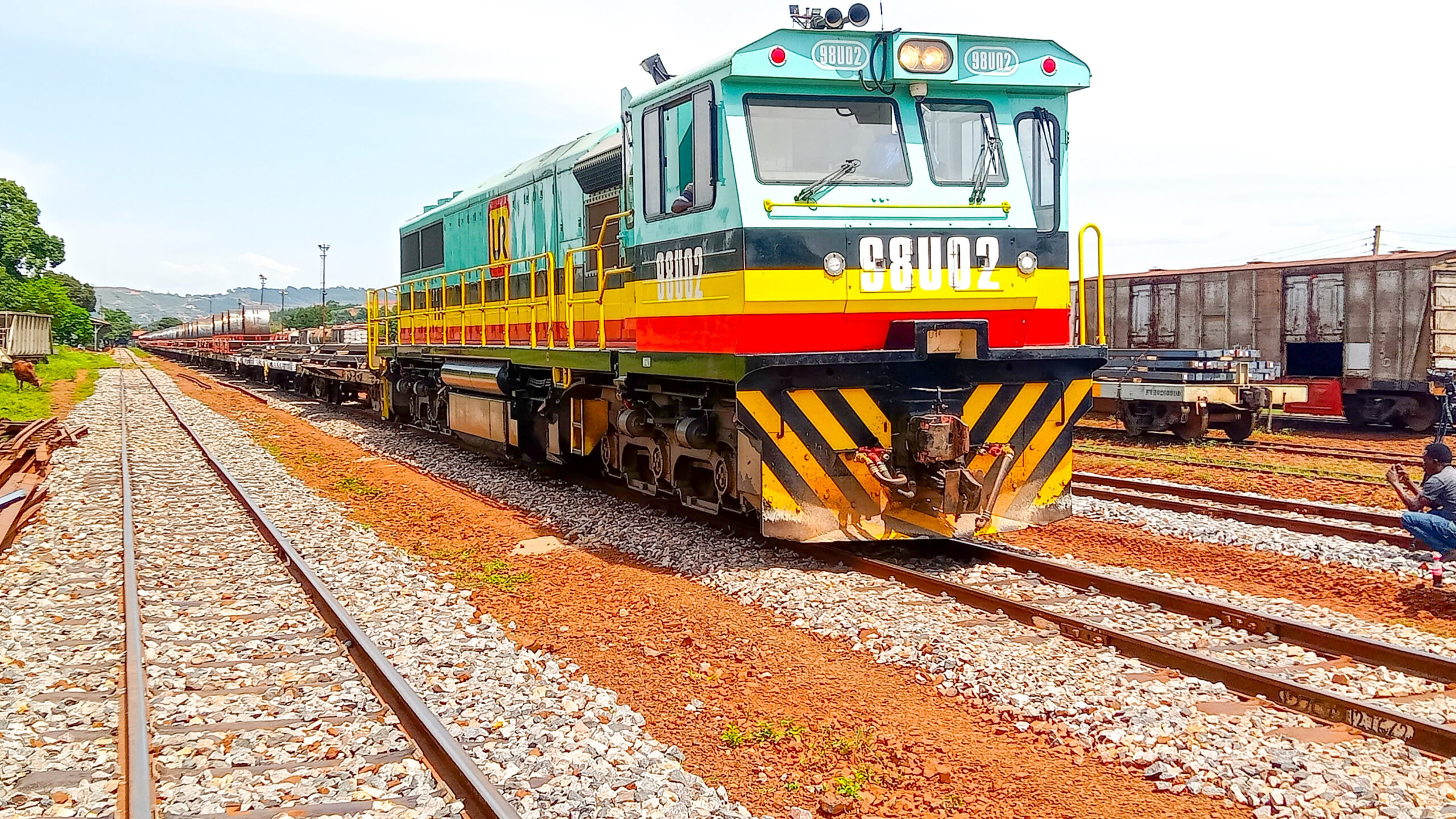
Uganda has named Citibank as lead arranger for the syndicated debt financing of its €2.7 billion Standard Gauge Railway, bringing the long-stalled Malaba–Kampala line within reach of construction.
A Limited Notice to Proceed has been issued, and an initial US$83 million tranche released. Full financial close remains pending, but momentum is building.
Lead contractor Yapı Merkezi targets a construction start on the 272-kilometre Eastern Line before the end of May. Permanent Secretary at the Ministry of Transport, Bageya Waiswa, acknowledged that lenders are proceeding cautiously. “The lenders are taking their time, but we have a Plan B,” he said, pointing to the early fund release as a deliberate move to sustain progress ahead of formal close.
A Fully Electric Line Built for Speed
The Kampala–Malaba corridor will run on electricity, reaching speeds of up to 120 km/h. It forms the first phase of Uganda’s planned 1,700-kilometre national SGR network.
Uganda severed its contract with China Harbour Engineering Company in January 2023 after years of stalled progress, and pivoted to Turkey’s Yapı Merkezi to restart the project.
The financing structure draws on 85 percent international loans and 15 percent Ugandan public funds. The World Bank has signalled its willingness to contribute, following direct talks with President Museveni.
Lower Costs for a Landlocked Economy
Finance Ministry Permanent Secretary Ramathan Ggoobi projects the railway will cut cargo transport costs by half. Uganda sits roughly 1,500 kilometres from the Port of Mombasa and currently depends almost entirely on road haulage for access to the coast. That dependency drives up the cost of imports and erodes the competitiveness of Ugandan exports.
A modern rail corridor changes that equation directly.
The Regional Picture
Kenya is separately sourcing funding for its Naivasha–Kisumu–Malaba SGR extension, which would connect directly with Uganda’s line. The corridor delivers its full economic value only once both sides of the border operate in tandem, making coordinated progress across the region a practical necessity, not a diplomatic aspiration.
Kenya, Rwanda, and Uganda have committed to prioritising SGR financing, with a shared goal of extending connectivity from Mombasa through Malaba to Kampala, and onward to Rwanda and the Democratic Republic of Congo.
Uganda leads the financing effort among the three. Beyond Citibank, it continues talks with the World Bank, which evaluates several financing options. The shift away from Chinese funding toward Western and multilateral sources marks a notable change in how East Africa funds its infrastructure.
