


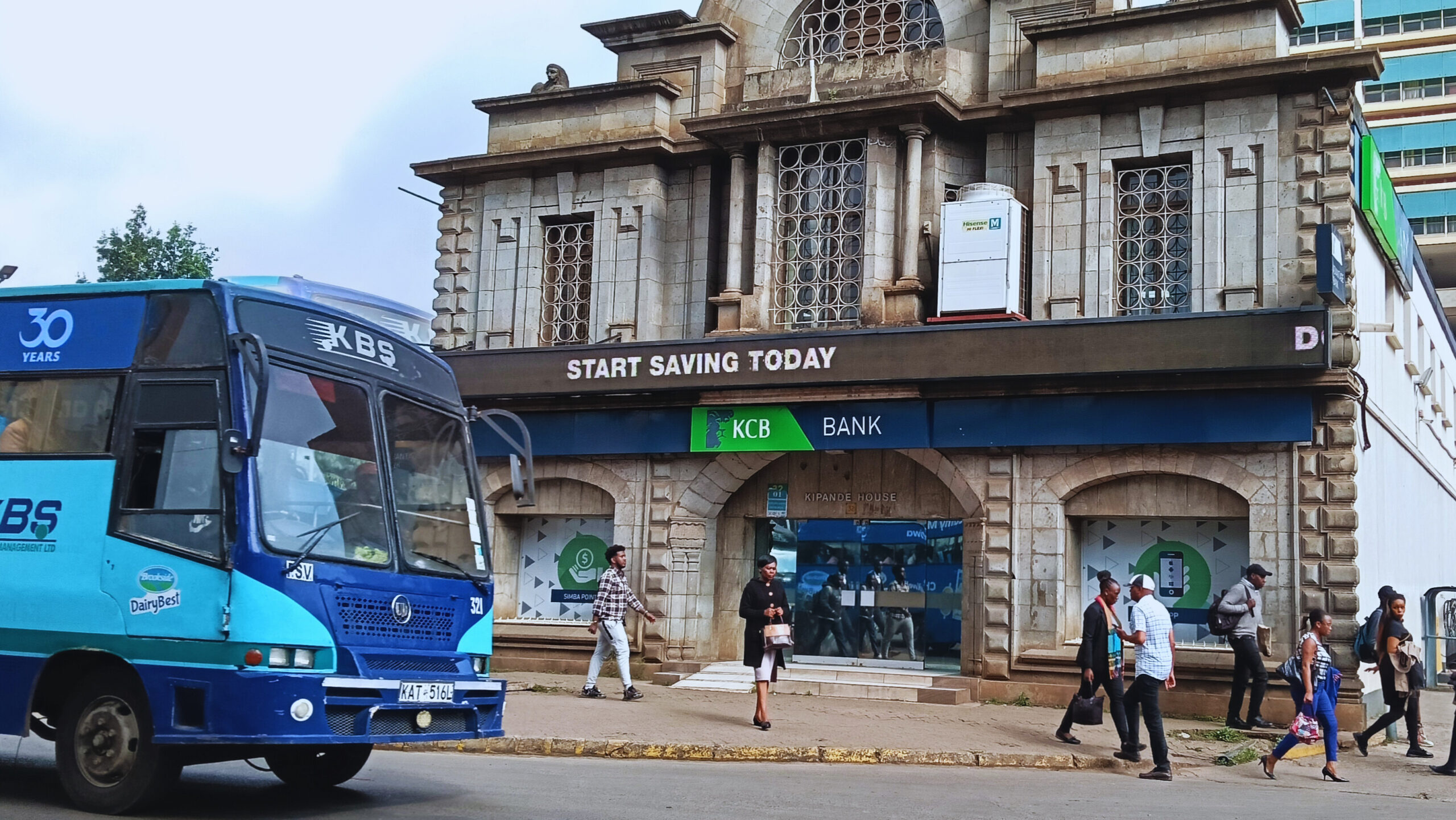
KCB Group, Kenya’s largest bank by assets, is awaiting regulatory approval to acquire a stake in regional payments firm Pesapal as it moves to expand merchant payments across East Africa.
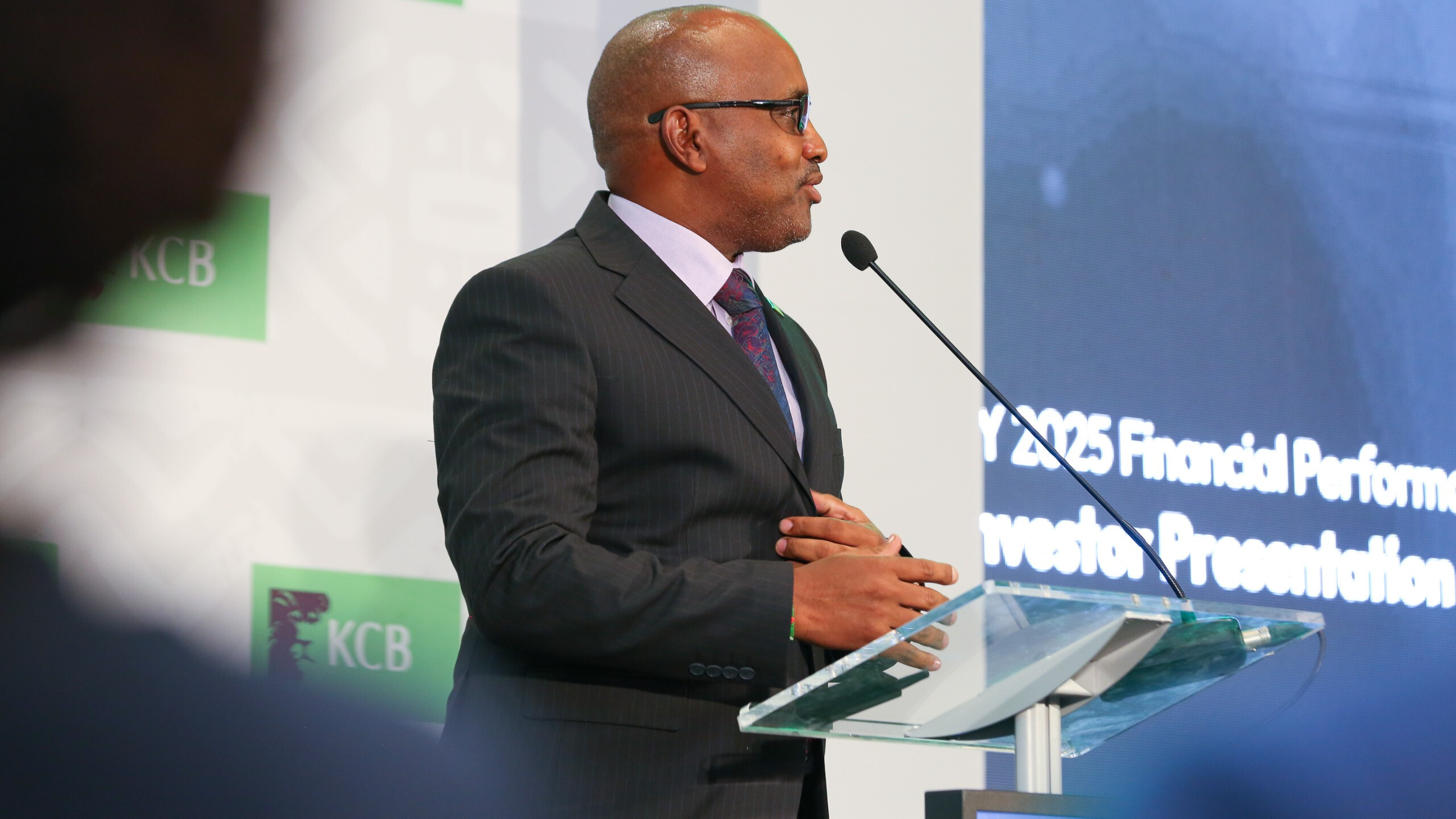
Chief Executive Paul Russo disclosed the planned transaction during an investor briefing in Nairobi, where the bank outlined its next phase of growth investments.
“We are waiting for regulatory approval to complete the acquisition,” Russo said.
The Pesapal deal follows KCB’s completed acquisition of Riverbank Solutions, approved by regulators. Together, the two transactions signal a deliberate push by the bank into the technology infrastructure that sits beneath everyday business transactions.

What Pesapal Brings to the Table
Pesapal operates a payments platform that enables businesses to accept card, mobile money, and bank transfers — both online and in person. The company holds licences in Kenya, Uganda, Tanzania, Rwanda, and Zambia, giving KCB immediate access to a regional merchant network spanning sectors including oil and gas, hospitality, and travel.
KCB plans to use the platform to scale digital payments for small and medium-sized businesses, embed lending products directly into Pesapal’s payment infrastructure, and draw low-cost current and savings account deposits by banking merchants and their customers. Non-funded income already accounts for 31% of the group’s total revenues, and the Pesapal integration targets further growth in that line.
Riverbank Adds Agency Banking and ERP Capability
Riverbank Solutions, now fully acquired, develops software used by schools, hotels, transport operators, religious institutions, and other organisations to manage payments and financial processes. The company operates in Kenya, Uganda, and Rwanda and links to agency banking and digital collections infrastructure.
KCB is integrating Riverbank’s systems with its banking platform to reach small and medium-sized businesses with payment and financial management tools. Riverbank is also being positioned to extend the reach of KCB’s Partner kwa Ground programme across education, manufacturing, public sector, agriculture, fast-moving consumer goods, and faith-based organisations.
KSh 68.4 Billion Profit Funds the Push
The acquisitions arrive on the back of a strong financial year. KCB posted KSh 68.4 billion (USD 526.7 million) in profit after tax for 2025, an 11% increase from 2024, driven by lending growth, digital services, and regional expansion.
Total revenues rose to KSh 214 billion from KSh 204 billion the prior year. Total assets grew 9.3% to KSh 2.15 trillion as the bank expanded its loan book across regional markets. Customer loans reached KSh 1.59 trillion. Shareholder funds stood at KSh 331 billion and return on equity reached 22.5%.
“Our performance reflects the strength of the KCB franchise, the resilience of our regional footprint and our continued investment in digital innovation,” Russo said.
KCB processes 99% of its transactions through digital channels. The bank has also launched a unified mobile banking application designed to integrate payments, savings, and investment services into a single platform.
Regional Footprint and Other Commitments
KCB operates across Kenya, Tanzania, Uganda, Rwanda, Burundi, South Sudan, and the Democratic Republic of Congo, supported by more than 450 branches, 1,200 ATMs, and over 1.3 million agents and merchants.
Beyond fintech, the group committed USD 1.75 million (KSh 227 million) to sponsor the 2026 WRC Safari Rally Kenya and secured a financing facility from the African Development Bank to support climate-smart investments and trade finance.
A Lion Across the Region: How KCB Group Is Anchoring Financial Stability Across East Africa
