



 Global capital is becoming more selective. In a world of complex and shifting supply chains, geopolitical uncertainty, and climate shocks, investors are no longer focused only on where growth is strongest, they are asking where growth is bankable and sustainable.
Today, the most attractive markets are those with clear policies, credible institutions, a strong pipeline of investable opportunities, and the ability to move from decision to execution with speed and certainty.
Kenya has been increasingly meeting this standard. Beyond its role as East Africa’s commercial hub, it is emerging as one of the continent’s most progressive economies that is building the capacity to turn investor interest into operational project. Across Africa, few markets can move investors from first engagement to implementation without delays, duplication and avoidable bottlenecks. Kenya is steadily improving that end-to-end experience, and in doing so, strengthening its advantage.
Business climate reforms
Investors do not want to restart the same conversation with multiple agencies, navigate unclear processes, or watch timelines stretch without accountability. The strongest investment environments recognize that competitiveness is built through coordination and delivery. Kenya is responding to this reality by strengthening coordination across the investment process and creating clearer pathways for approvals and facilitation.
An investment deal room model has been introduced to improve alignment and speed up issue resolution across key government agencies. These changes reduce delays, and keep projects moving on schedule. This progress is being matched by deliberate business climate reforms aimed at removing barriers in the operating environment. Kenya has convened high-level stakeholder platforms to drive reform delivery, including biannual Presidential Roundtables and quarterly Ministerial Stakeholders’ Forums fostering public-private sector dialogue on matters business climate.
Riding on this momentum, Kenya is currently modernizing its legal and regulatory framework to reflect the requirements of modern investment. The Business Laws (Amendment) Bill 2025 is progressing through government approvals heralding new and bold pro-business reform era. For investors, modern legal frameworks underpin predictability, investor confidence, and fair enforcement creating a stronger foundation for long-term capital.
A digitized investor journey
We are accelerating the move toward a more digital and efficient investment process, because the strongest destinations are those where investors can get to market quickly. The ongoing implementation of the Digital One Stop Centre, targeted for launch in 2026, is a key part of this shift. Integration with the Kenya Revenue Authority has already been completed, while connections with the Business Registration Service, the National Environment Management Authority, and Immigration are underway, with more to be onboarded including counties by end of this year. When approvals and investor services move faster, project timelines shorten, compliance becomes clearer, costs fall, and returns become more predictable. This matters most in sectors where speed to market is central to competitiveness.
Read: East Africa 2026 Growth Outlook: Kenya, Uganda, Tanzania, Rwanda
Packaged Opportunities with bankable outcomes
One of the biggest constraints to investment is lack of investment-grade projects. Too often, promising opportunities are not packaged with the data and clarity required for financing decisions to match them. Kenya is addressing this challenge by curating sector-specific investment propositions that shorten diligence time and provide investors with clearer entry points. Sector packs have been developed for leather, textiles and apparel, BPO, and e-mobility, with additional sector packs in progress as well as a national investments projects catalogue. Together, these sectors and projects send a clear signal that Kenya is prioritizing pathways where we can compete globally and deliver returns sustainably. Investors look for diversification options, a steady flow of opportunities, and clear visibility on what is coming next.
Equally important is early-stage project readiness. Kenya has commenced a Project Preparation Facility effort to support feasibility studies and early-stage project development. Better preparation mitigates risk, and strengthens bankability. Project readiness is often the difference between an attractive concept and a project that can raise financing, reach financial close, and move into implementation.
In today’s environment, the question is not only whether a project is attractive. It is whether risk is priced appropriately and mitigated in a way that makes the investment bankable. Kenya is strengthening the ecosystem around investment delivery by advancing de-risking instruments offered through private sector. These measures will improve confidence and make it easier for investors to commit capital.
The impact of turnaround is already bearing fruit. Investments facilitated rose from USD 1.5 billion in 2024 (UNCTAD) to USD 1.8 billion in 2025 (Invest Kenya Estimates, excluding mergers and acquisitions and substantial re-investments). This demonstrates a market that is not only attracting investor interest, but increasingly converting that interest into executed transactions.
Kenya’s advantage is not built on a single sector or one reform. It reflects steady progress across the investment cycle. For global investors seeking a reliable base in Africa with global market access, credible institutions, best in class talent and a growing pipeline of investable opportunities, Investing in Kenya is the Paradigm.
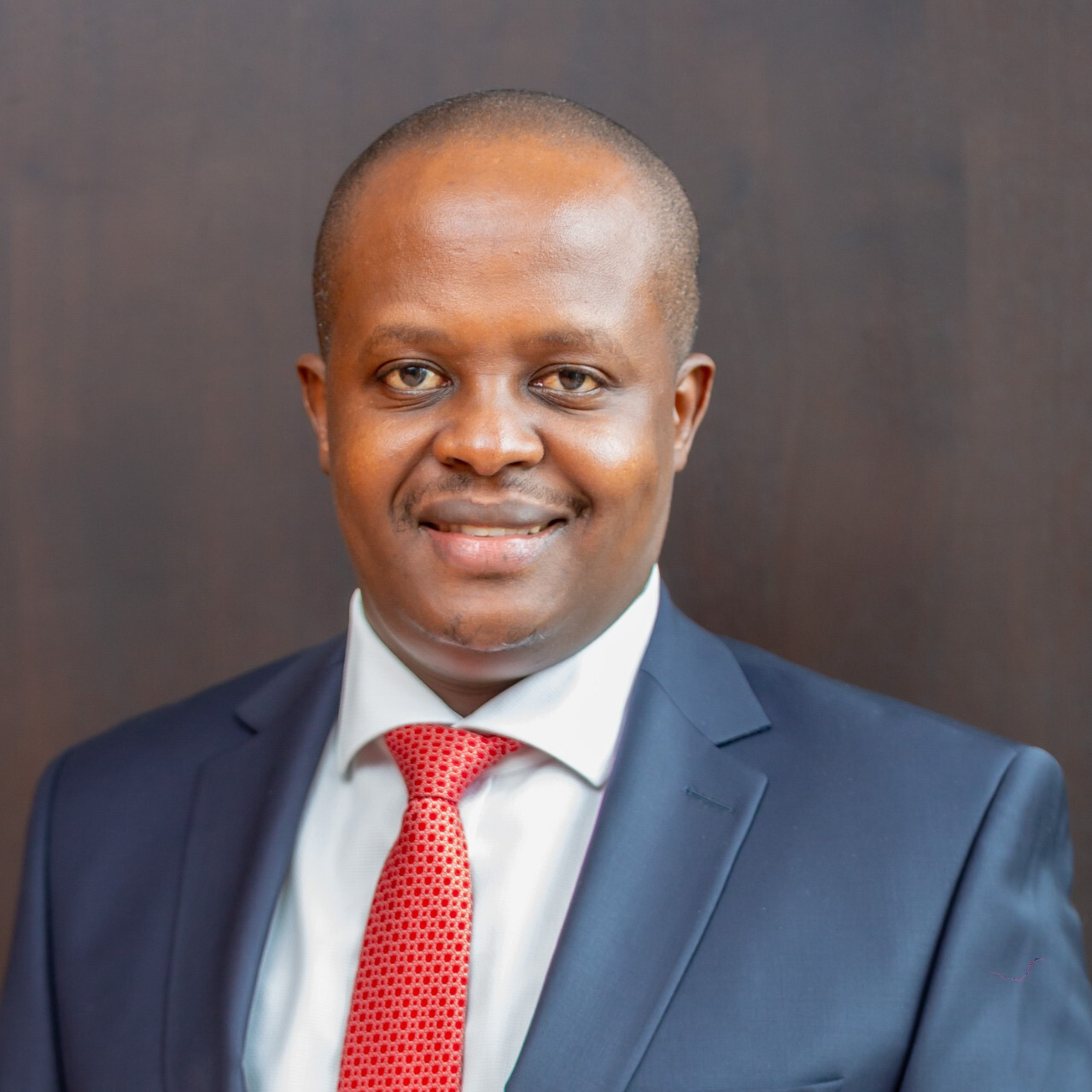
John Mwendwa is the CEO, Invest Kenya
