


Africa’s trade challenges have shifted decisively. Tariffs, once the headline obstacle, are no longer the biggest threat.
Instead, non‑tariff measures (NTMs)—fragmented standards, slow and inconsistent testing regimes, unrecognised certificates, and unresolved procedural disputes—are quietly shutting firms out of markets.
TradeMark Africa’s (TMA) 2024–25 Annual Report underscores the point: “Tariffs are no longer the main obstacle to Africa’s trade but rather non‑tariff measures. Progress in growing intra‑African trade and trade between the continent and the rest of the world will come from reducing non‑tariff barriers.”
Why Entrepreneurs Should Care
For entrepreneurs, NTBs are not abstract policy they are daily frustrations:
- Delays: Certification cycles that drag on for weeks or months.
- Costs: Duplicate testing and informal fees that drain working capital.
- Risk: Discretionary border decisions that make planning unpredictable.
Council Chair Leo Svahnbäck observed: “Trade systems are a form of public infrastructure. When rules align, standards are credible and non‑tariff barriers are addressed systematically, risk falls and costs come down.”
Rising Complaints, Rising Expectations
East Africa remains one of the regions most affected. By May 2025, 47 NTB complaints had been registered across the East African Community (EAC), up from 31 the previous year.
TMA explained: “The increase points to two things: first, uneven enforcement and fragile implementation, and second, rising expectations as traders now rely on formal mechanisms to report, track and escalate barriers.”
This surge reflects both persistent challenges and growing confidence among businesses to demand solutions.
Evidence of Reform
Systematic action is beginning to shift competitiveness across regions:
- Certification Cycles Cut: Independent evaluations show approval times fell from five months in 2017 to just two months in 2023—a 60% reduction reported by 60% of surveyed East African firms.
- Country Gains: Rwanda’s improved inspection systems reduced meat‑product interceptions by 45%. Zambia’s expanded laboratory capacity enabled faster clearance of emergency food imports during drought, including 100 metric tonnes of maize processed with zero rejections. Uganda’s decentralised labs shortened turnaround times from three weeks to about 15 days.
- Regional Pilots: Early diagnostics and customs‑connectivity pilots in West Africa are laying the groundwork for predictable, rules‑based border operations.
These reforms ease working‑capital pressures, reduce rejection risks, and open markets for exporters.
Digital Tools Driving Predictability
Paper‑based routines are giving way to digital systems:
- ePhyto in Mozambique digitises plant health certificates, cutting discretion.
- Zanzibar’s digital quality‑infrastructure upgrades strengthen SPS reliability along Horn and Southern Africa trade routes.
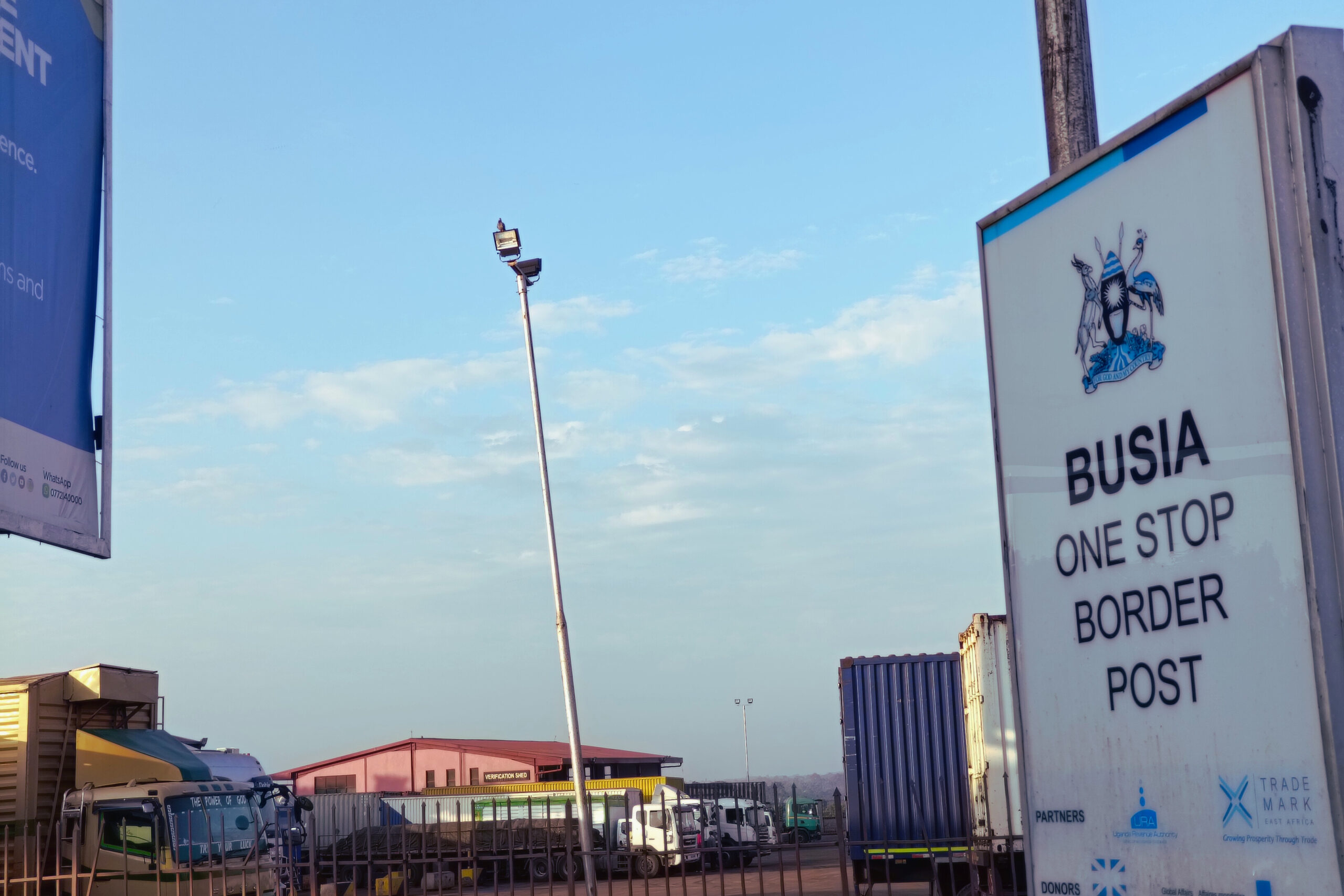
- Border Post Upgrades: Clearance times at Uganda’s Elegu, Goli, and Mahagi posts fell by 83%, 58%, and 63% respectively.
David Beer, CEO of TMA, captured the shift: “Today’s trade barriers are procedural rather than tariff‑based. Standards and SPS requirements now govern most global trade. Our focus is on turning them into a gateway to markets, not a source of delay.”
Infrastructure Meets Process
The report highlights how infrastructure and process reform work together:
- Ports and Corridors: Rwanda’s Rubavu Port strengthened Horn–Great Lakes connections, moving two‑thirds of its annual target within three months.
- Integrated Systems: Corridor work in West Africa is progressing toward interoperable customs and SPS readiness, supporting long‑term regional value chains.
The Payoff
During the reporting period, TMA‑supported reforms enabled firms to realise $408 million in trade gains across horticulture, grains, livestock, and manufactured goods. Faster certification cycles and predictable clearance procedures allowed SMEs to access markets with greater consistency.
H.E. Hailemariam Desalegn Boshe, TMA Board Chair and former Prime Minister of Ethiopia, summed it up: “Africa’s credibility in trade is won or lost at the border.”
What Entrepreneurs Can Do
- Invest Early in Compliance: Standards and certifications are now the currency of trade.
- Adopt Digital Platforms: Engage with systems that reduce discretion and speed approvals.
- Collaborate Regionally: Join associations pushing for harmonised rules and shared infrastructure.
Africa’s trade future hinges less on tariffs and more on predictable systems. Entrepreneurs who understand NTBs—and align with reforms—gain a decisive edge. As Beer concluded: “The test of reform is not alignment on paper but outcomes in practice. When standards reduce rejections, NTBs are resolved and clearance times fall, trade becomes predictable.”
