


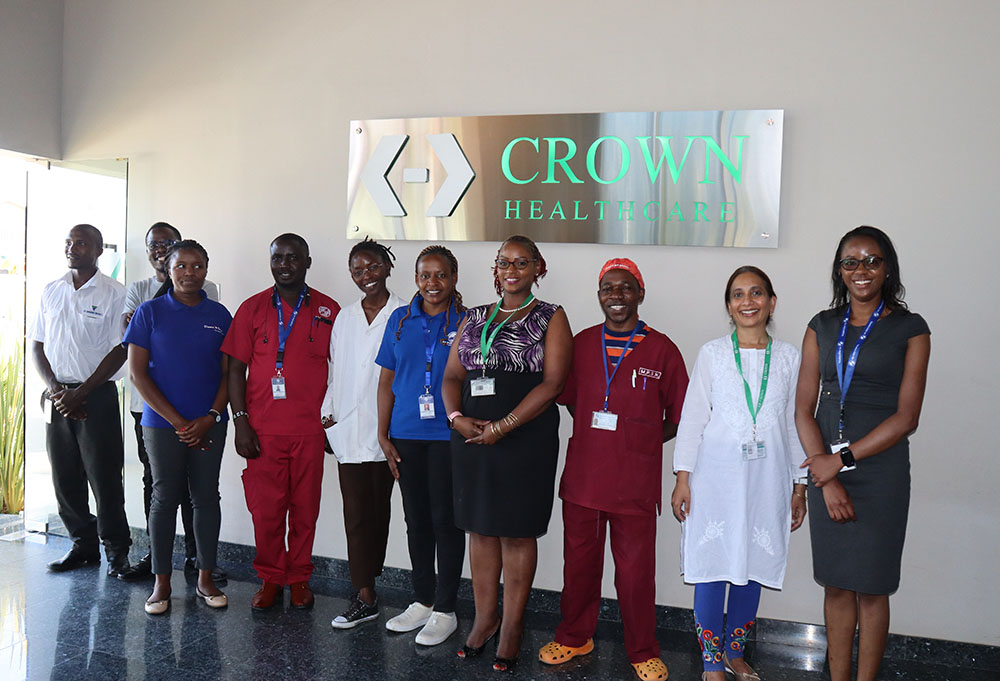
Crown Healthcare, a leading Kenyan medical products distributor, has secured a US$10 million (Sh1.31 billion) investment from Impact Fund Denmark to accelerate construction of a large-scale pharmaceutical manufacturing plant.
The facility is designed to reduce Kenya’s heavy reliance on imported medicines, strengthen domestic value chains, and improve access to quality drugs across East Africa.
Strengthening Supply Chains and Creating Jobs
The deal marks Impact Fund Denmark’s latest push into African healthcare manufacturing, part of its broader strategy to build resilient local supply chains and reduce systemic import dependence. Noblestride Capital advised on the transaction, structuring and executing the deal.
“With this investment, we are helping to improve the availability of essential medicines and make the region more resilient to global crises. At the same time, we are creating 600 local jobs; two things that are essential to achieving our vision of contributing to fair and inclusive societies,” said Lisbeth Erlands, Managing Director and Co-Head of Healthcare at Impact Fund Denmark.
Kenya’s Heavy Dependence on Imports
Kenya currently imports about 80% of its pharmaceuticals, leaving the country vulnerable to counterfeit drugs, supply-chain shocks, and rising global logistics costs. This dependence has exposed hospitals and clinics to procurement delays during health emergencies and increased risks for patients.
Founded in 1998, Crown Healthcare has expanded from distributing medical devices into producing its own branded generics. By scaling local manufacturing, the company aims to boost supply reliability and reduce exposure to international disruptions.
Combating Counterfeit Medicines
The investment comes at a critical time as Kenya battles a counterfeit medicine crisis. A white paper by CFAO and the OPALS Foundation revealed that falsified antimalarials cause over 100,000 preventable deaths annually in Africa, with one in three medicines circulating across the continent potentially counterfeit.
In Kenya, where more than 70% of medicines are imported, fragmented distribution networks and rising cases of fake drugs pose life-threatening risks. The most commonly falsified medicines include antibiotics, HIV/AIDS antiretrovirals, antimalarials, painkillers, and opioids.
Outlook for Healthcare Manufacturing
Impact Fund Denmark, formerly known as the Investment Fund for Developing Countries (IFU), is positioning its investment to anchor Kenya’s pharmaceutical sector. By supporting local production, the initiative aims to:
- Reduce counterfeit medicine circulation.
- Strengthen regional resilience against global supply shocks.
- Create sustainable employment opportunities.
- Improve access to essential medicines for hospitals and clinics.
Turaco’s Insurance Revolution: How Boost Africa Helped Scale a Startup into a Pan-African Safety Net
