



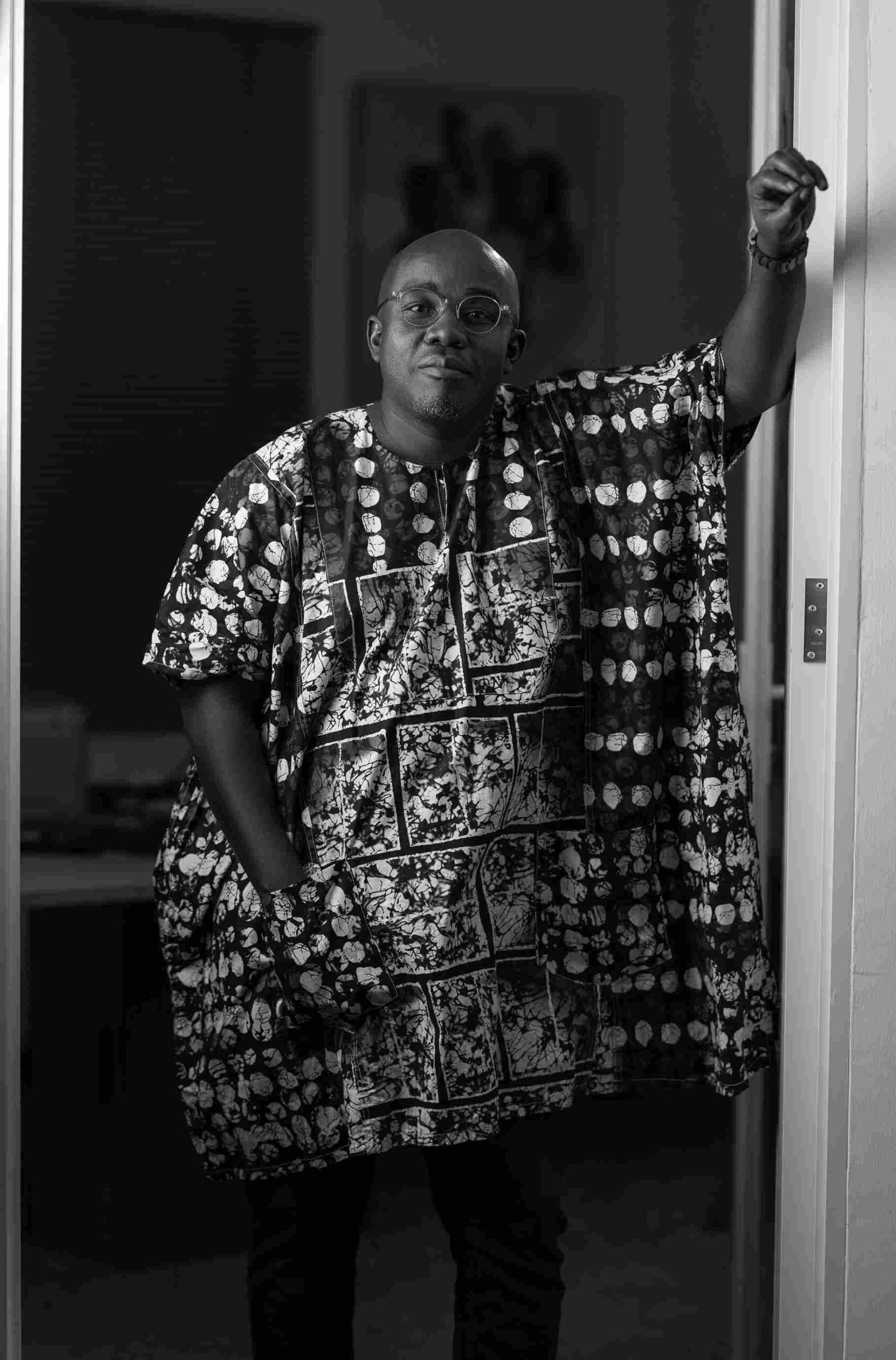
For award-winning filmmaker Reuben Odanga, storytelling is not simply a profession. “Storytelling isn’t just a career—it has been a calling,” he says.
Through Multan Productions, Odanga has spent nearly twenty years shaping Kenya’s television and film landscape, producing dramas that have become household names across East Africa.
From Saida, their Kalasha Award-winning breakthrough in 2014, to fan favourites like Nira and Nuru, the record-breaking Selina, Netflix’s Mofaya, and most recently, MTV Shuga Season 1, Odanga’s work has consistently raised the bar for local storytelling. His latest project, Lazizi, continues that tradition while breaking new ground.
Inspiration and Setting
Odanga explains that Lazizi was born from a deep connection to place.
“I was heavily inspired by the flora and fauna of our country, especially the breathtaking landscapes of Muhoroni, framed perfectly by the rolling Nandi Hills. There’s something magical about that place; the people, the rhythm of life, the stories waiting to be told.”
The series is set in western Kenya’s sugar belt, a region with nearly seventeen sugar factories and thousands of lives intertwined with them. Odanga wanted to capture that ecosystem in a way that feels authentic. “I wanted to give our fans, especially those from that region, something that feels like home; a show that reflects their world, their language, and their heartbeat.”
The show is filmed on location in Muhoroni and Kisumu, grounding the narrative in the lived realities of Luo Nyanza.
Language and Authenticity
Language is central to Lazizi. Odanga notes, “The show is mostly in Swahili, about 85 per cent, with a sprinkle of English and a touch of Luo. It’s a mix that feels authentic, just like the people it represents.”
This linguistic blend is not just stylistic. It is a deliberate choice to honour the communities whose stories are being told, embedding cultural identity into the fabric of the drama.
Talent Discovery
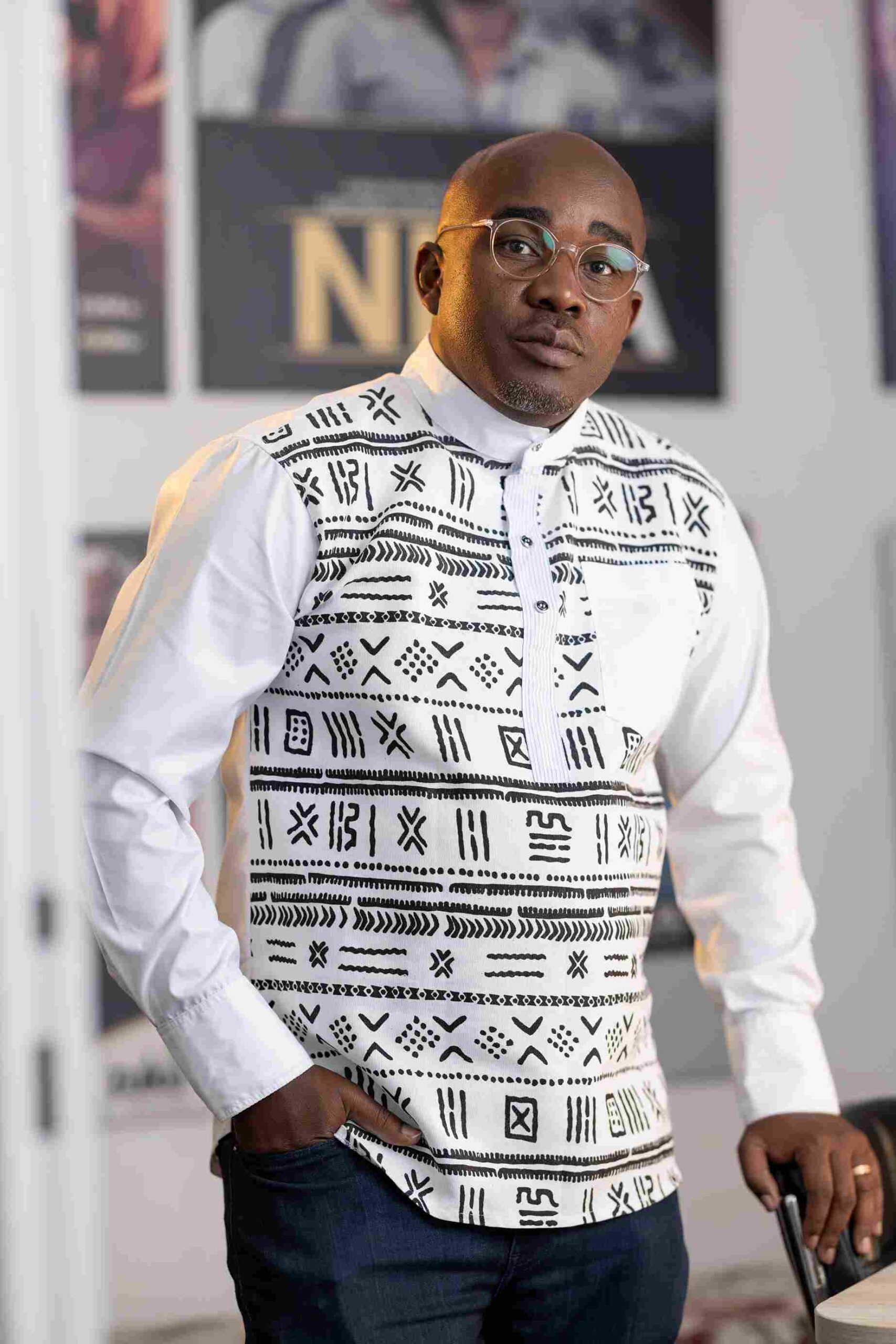
Odanga’s background in acting shapes his casting philosophy.
“I understand what it means to be new, to walk into an audition room full of hope, nerves, and dreams. That’s why I’m a huge believer in raw talent, spotting it, nurturing it, and helping it grow.”
His productions often feature open auditions that attract hundreds. For Mofaya, nearly 700 people turned up. For Lazizi, close to 1,000 hopefuls arrived. He recalls discovering Vivian Nyawira for the role of Sophie after watching her perform on stage. “Instantly, I thought, that’s her. The next day, we called her in to audition — and she got the role.”
This balance of seasoned actors and fresh faces adds what Odanga calls something “raw, fresh, and magical to every production.”
Sustaining Momentum
With three major projects in a single year, Odanga credits discipline and systems.
“We have been very intentional with upscaling, building, and skilling the people who are coming to work with us. We are diligent, work hard and deliver on time and all these things have built a brand that is trusted over time.”
Navigating Criticism
Odanga has faced criticism, especially with MTV Shuga. He views it with perspective.
“I have learned not to take criticism personally. Honestly, I don’t see it as hate. I have just come to accept that Kenyans have a very interesting way of saying ‘I love you.’”
He recalls how Selina drew hundreds of comments online, shifting from praise to critique almost overnight. Yet he sees this as proof of engagement. “At the end of the day, if people are talking, it means they are watching.”
What Audiences Should Take Away
Odanga hopes Lazizi sparks a reflection on culture and identity. “What I really hope Kenyans take away from this story is the importance of our culture; who we are, where we come from, and how rich that is.”
The sugar belt narrative, he insists, is layered and deeply human. “On the surface, it might sound simple: a sugarcane farmer. But when you really dig into it, you realise it’s layered, complex, and deeply human.”
Legacy Stories and Future Projects
Asked which Kenyan stories he would adapt for the screen, Odanga points to heritage and history.
“If I could choose one story to adapt for the small screen, it would be Nabongo Wanga. I would also love to tackle the story of the 1982 coup. It’s one of those moments in our history that shaped a nation: raw, emotional, and filled with tension and humanity.”
Looking ahead, he is already developing a feature film and exploring distribution strategies.
