



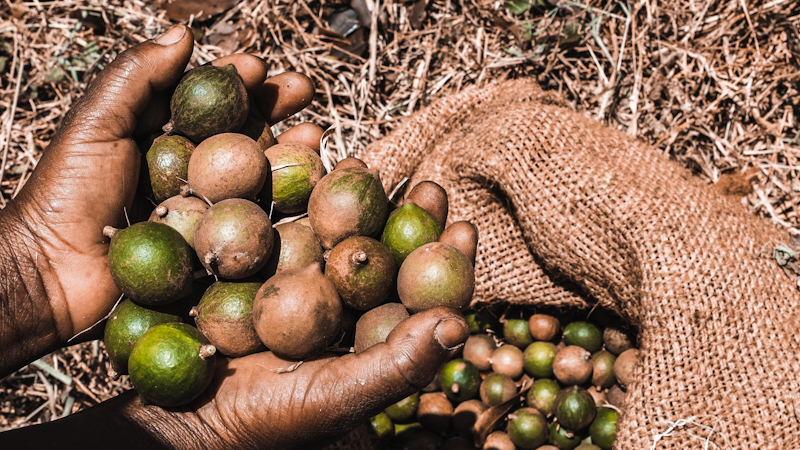
The Agriculture and Food Authority (AFA) has imposed a two-and-a-half-month suspension on the harvesting and trade of locally produced macadamia nuts.
The directive, effective from December 1, 2025, to February 15, 2026, applies to all value chain actors: processors, exporters, importers, and marketing agents.
According to AFA Director General Dr. Bruno Linyiru, the decision follows a nationwide crop maturity survey showing that a significant portion of macadamia nuts remain physiologically immature. Harvesting at this stage would compromise oil content, flavour, and shelf life; key attributes that define Kenya’s premium standing in global markets.
“The closure period will allow adequate time for the nuts to mature fully and meet export quality standards,” said Dr. Linyiru.
The Authority also reaffirmed that the ban on exporting raw, in-shell macadamia nuts remains in force, a policy designed to promote local value addition and ensure farmers benefit from higher returns.
Sector Rebound and Price Gains
The Macadamia Association of Kenya (MACNUT) has defended 2025 farm-gate prices, calling the season a turning point for growers. Farmers who followed regulated trading channels earned between Ksh130 and Ksh150 per kilogram, the highest in over three years. In contrast, those who sold early or bypassed formal markets received less than Ksh100.
MACNUT Chairperson Jane Maigua credited the rebound to government reforms, including the floor price policy and the raw export ban, which encouraged domestic processing and stabilised the sector.
“The government’s visionary guidance has brought stability to a vital export sector,” Maigua said, noting that Kenya’s macadamia industry is now poised for global leadership in quality and sustainability.
Global Expansion and Green Innovation
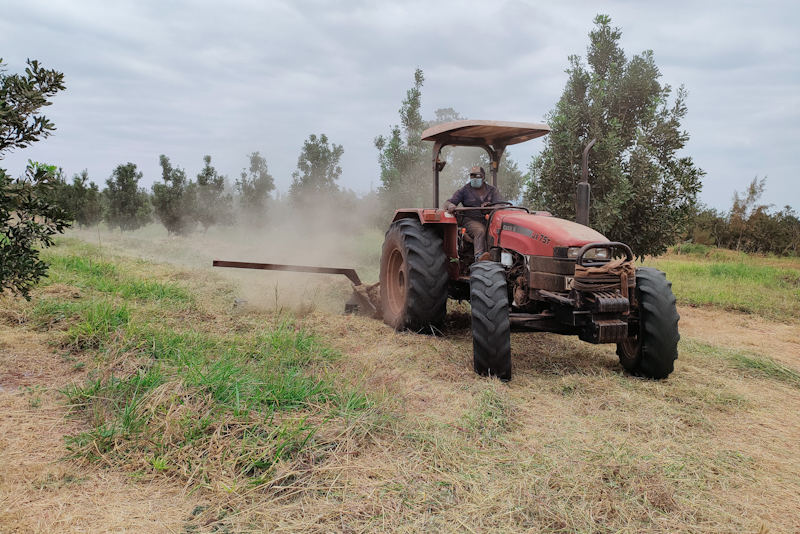
Kenya ranks as the world’s fourth-largest macadamia producer, with major buyers in the U.S., Europe, and China. The nuts are prized for their creamy flavour and organic quality, cultivated with minimal chemical input.
Pest Control and Sector Outlook
Despite strong performance, the second season has faced pest infestations threatening nut quality. MACNUT has called for biological and non-chemical interventions, urging collaboration between government, counties, and private partners.
The association reaffirmed its commitment to building a transparent, profitable, and climate-resilient value chain, emphasising that continued stakeholder engagement will be key to sustaining the sector’s momentum.
“By keeping more processing work within Kenya, we’ve added significant value to the crop and safeguarded thousands of jobs,” Maigua added.
