


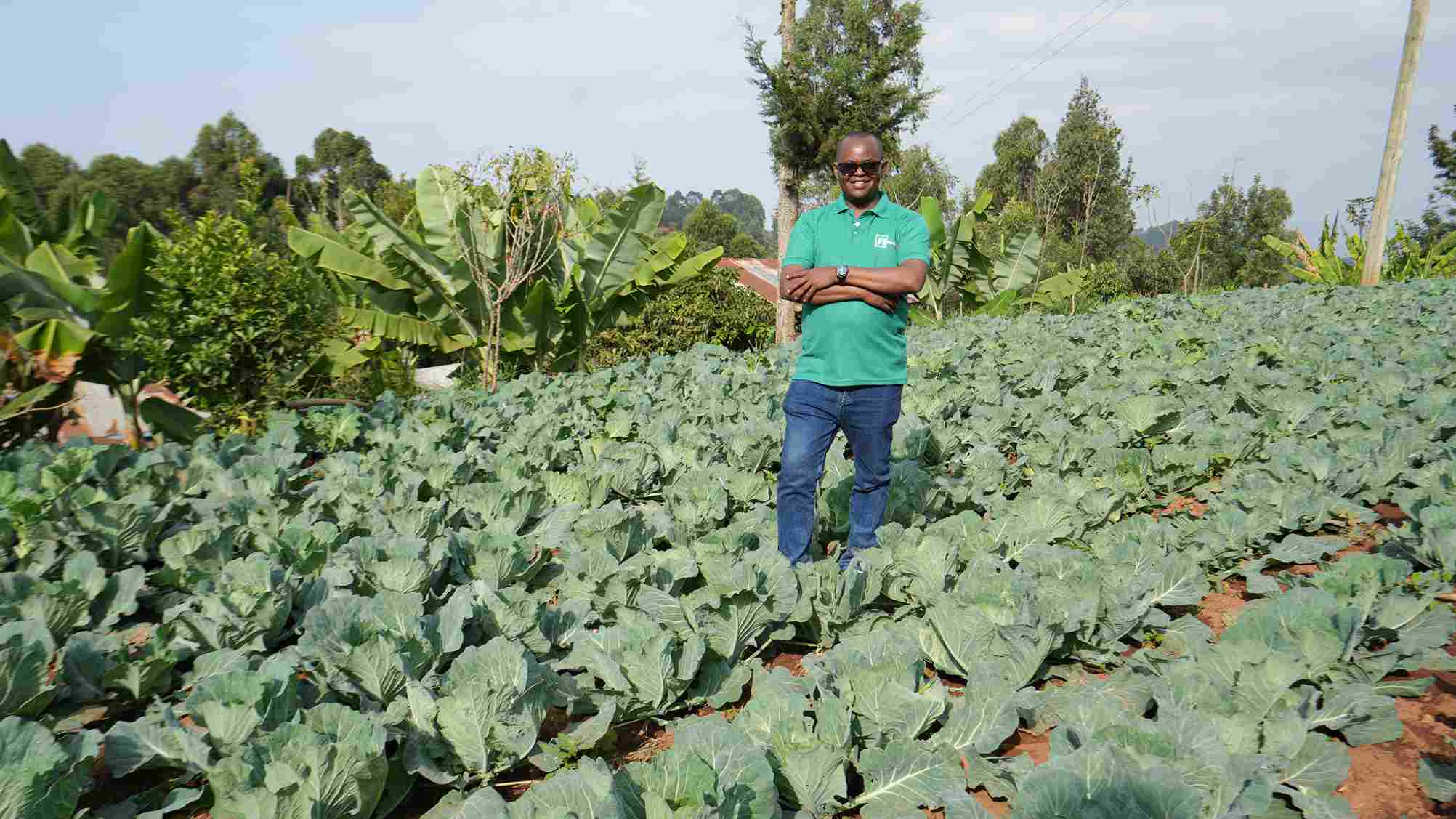
Smallholder farming is the heartbeat of Kenya’s food security, rural employment, and economic resilience. Yet for decades, farmers across the country have faced two challenges: unreliable access to quality inputs and limited market access in rural areas.
That is where Shamba Pride comes in. Founded by Samuel Munguti, the agri-tech startup is transforming how farmers access inputs, training, and markets through a network of tech-powered agrovet stores called DigiShops.
“We connect local and smallholder farmers to partner agrovets. We call them DigiShops, providing technology-powered services,” he explains. “When you talk to farmers across every village in Kenya, they will tell you the things that have limited their success: access to credible, affordable, quality agriculture inputs, access to markets, and access to training services.”
From Informal Stores to Climate-Smart Villages
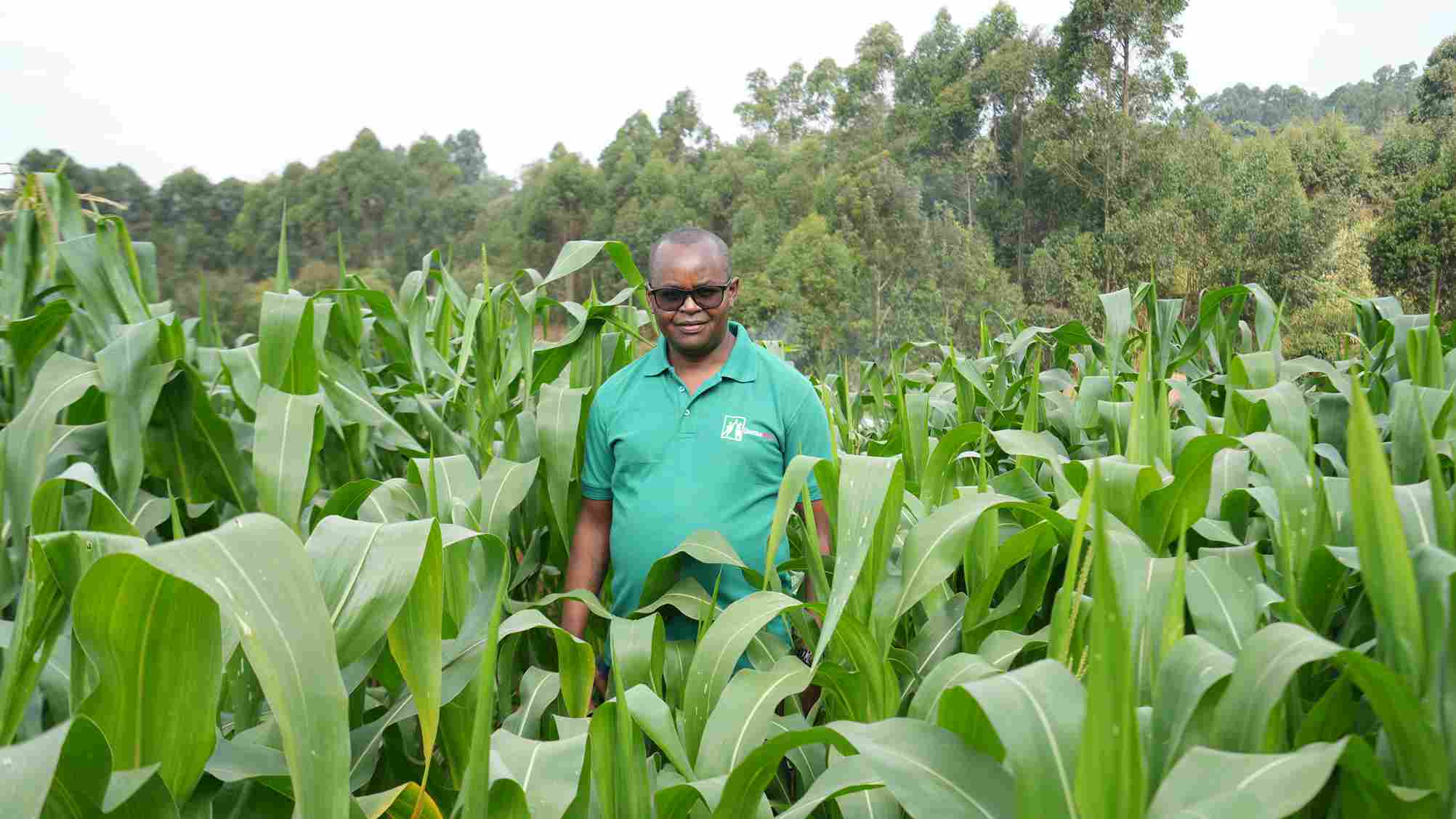
Shamba Pride’s model is simple but effective: collaborate with informal agro-dealers, transform promising stores into DigiShops, and equip them with digital tools to upskill operations and better serve farmers. These DigiShops become hubs of trade, training, and climate-smart agriculture.
The company is now rolling out climate-smart DigiShop villages, rural centres that promote sustainable farming practices, eco-friendly inputs, and market linkages. The impact is tangible:
- Farmers report up to 2.5X increase in productivity and climate resilience
- Agrodealers see up to 8X revenue growth within 9 months of conversion
- CO₂ emissions are reduced through organic inputs and sustainable agricultural practices
“Farmers can access quality inputs, training, and competitive market prices all through technology,” says Munguti. “We are reaching over 80,000 farmers across several counties in Kenya and working with over 4,500 agrodealer stores.”
The Funding That Unlocked It All
Getting Shamba Pride off the ground was not easy. Banks demanded collateral Munguti did not have, and many investors didn’t see agriculture as “trendy.” That changed when he connected with Seedstars Ventures, a private equity fund backed by the Boost Africa Initiative. Boost Africa is a joint effort by the European Investment Bank (EIB), African Development Bank (AfDB), and the European Commission.
“We needed funds and financial partners like EIB, especially those who understand local early-stage business capital needs in Africa,” says Munguti. “Our first cheque was $500,000 USD, and that unlocked a lot of opportunities. From 2021, we grew revenue from KES 5 million to nearly KES 300 million. We have built a strong team and grown from fewer than 4 employees to over 40.”
Why Boost Africa Works
Edward Claessen, Head of EIB’s East Africa Regional Hub, has seen firsthand how catalytic funding can transform startups like Shamba Pride.
“Boost Africa is an initiative from the European Investment Bank together with the African Development Bank, supported by the European Commission,” Claessen explains. “It aims to support entrepreneurship and innovation in Africa by providing both venture capital and technical assistance to fund managers and entrepreneurs.”
Since launching in 2020, under Boost Africa, EIB has invested €78 million into six venture capital funds across the continent, supporting 73 companies, including Shamba Pride. The number of companies supported is expected to cross the 120 mark by the end of the investment period.
“Shamba Pride is a very impactful company in the agricultural sector,” Claessen adds. “It’s helping farmers access inputs at better rates and sell produce more competitively. It’s also creating jobs and building local capacity.”

Why Boost Africa Is Different
Shamba Pride’s success highlights why Boost Africa is more than just a funding program; it’s a blueprint for inclusive, scalable development:
| Strategic Feature | Why It Matters |
| Blended finance (debt + equity) | Balances risk and return, supports growth and discipline |
| Longer investment cycles | Agriculture needs time to build trust and scale |
| De-risking mechanisms | Public institutions commit to absorbing early losses, if any, thus attracting private capital |
| Private models for public outcomes | Aligns profitability with social impact – food security and climate resilience |
| Inclusive design | Empowers women, youth, and remote communities |
“We are here to support private sector development, startups, and young entrepreneurs,” says Claessen. “Boost Africa is not just about money; we also bring technical assistance and support. It’s a unique proposition for Africa’s innovators.”
Real Stories, Real Impact
The numbers are compelling, but the stories are even more powerful.
“Before knowing Shamba Pride, I had a lot of challenges,” says Lydia Nzali, a Digishop agronomist. “I used to buy stock from Machakos, which is far away. Now Shamba Pride delivers directly, cutting transport costs and boosting my profits.”

“I use the DigiShops app to order pest control products instantly,” adds farmer Jacob Wambua. “It saves time and lets me focus on farming.”
A $1 Trillion Opportunity
Sub-Saharan Africa’s agriculture sector is valued at over $1 trillion, yet remains undercapitalised and fragmented. Shamba Pride is proving that with the right tools, partnerships, and patient capital, smallholder farming can be transformed into a scalable, climate-smart engine of growth.
“Access to finance and capital is key to unlocking impact and growth,” says Munguti. “EIB has been one of the biggest examples of deploying capital to early-stage companies. Their support helped us create jobs internally and across thousands of farmers and agrodealers in Kenya.”
Boost Africa is not just funding startups. It is building ecosystems.
How Poa Internet Is Rewiring Opportunity in Kenya’s Underserved Communities
