



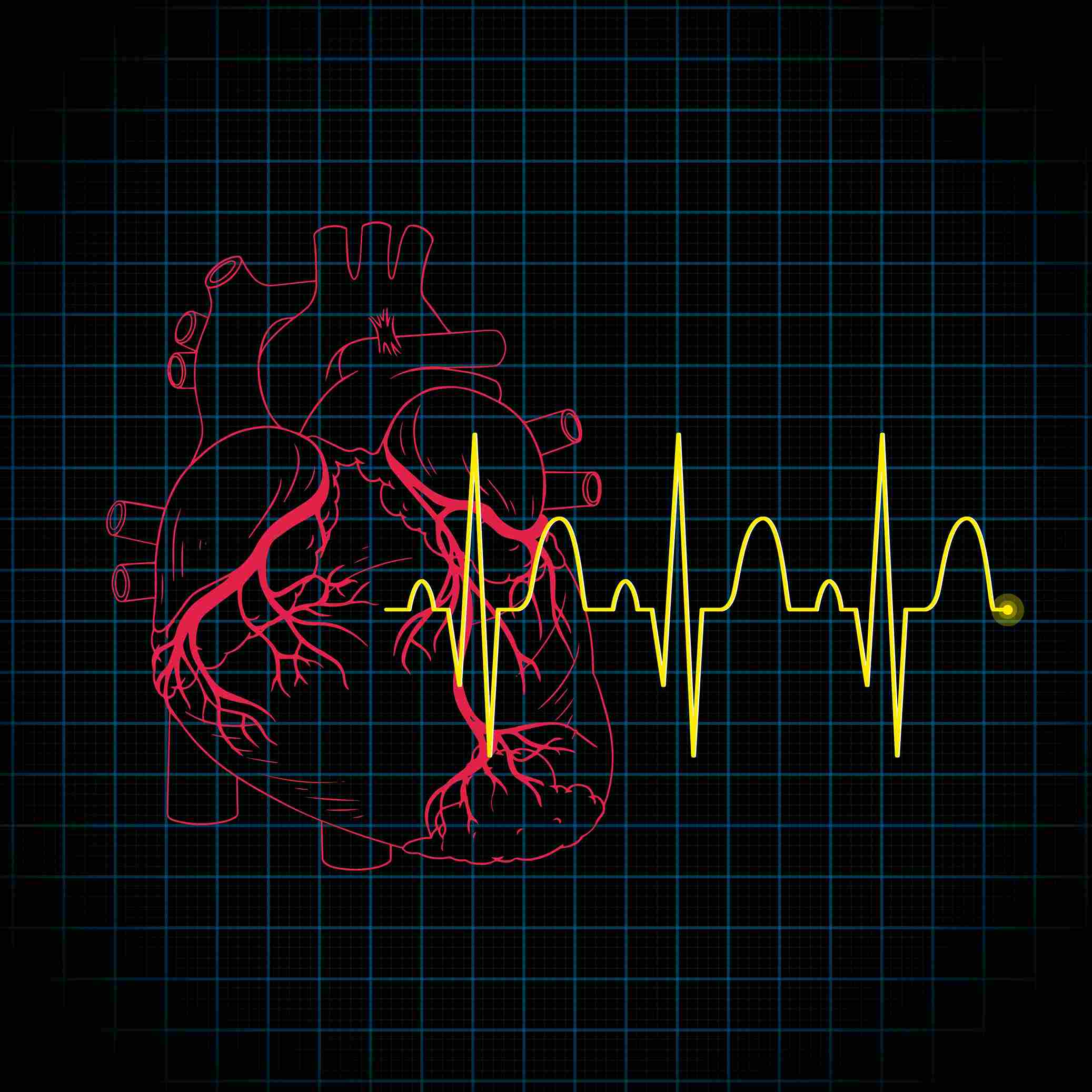
Cardiac arrest is a sudden, unexpected loss of heart function. It happens when the heart’s electrical system malfunctions, causing it to stop pumping blood to the brain, lungs, and other vital organs. Without immediate intervention, cardiac arrest can be fatal within minutes.
According to the World Health Organization (WHO), cardiovascular diseases including cardiac arrest are the leading cause of death globally, claiming an estimated 17.9 million lives each year.
Cardiac Arrest vs Heart Attack: Key Differences
| Feature | Cardiac Arrest | Heart Attack |
|---|---|---|
| Cause | Electrical malfunction | Blocked blood flow to the heart |
| Onset | Sudden and immediate | Gradual or sudden |
| Symptoms | Collapse, no pulse, no breathing | Chest pain, shortness of breath, sweating |
| Response | CPR + defibrillation | Emergency medical care, medication |
What To Do in Case of Cardiac Arrest
If someone collapses and is unresponsive:
- Call emergency services immediately.
- Start CPR: Push hard and fast in the centre of the chest.
- Use an AED (Automated External Defibrillator) if available.
- Continue CPR until help arrives or the person regains consciousness.
“Immediate CPR can double or triple survival chances,” notes the American Heart Association.
Why Awareness Matters
Many people confuse cardiac arrest with a heart attack, delaying the right response. While both are medical emergencies, cardiac arrest requires instant action, not just waiting for paramedics.
Prevention Tips
- Regular heart checkups
- Managing blood pressure and cholesterol
- Staying active and eating heart-healthy foods
- Avoiding tobacco and excessive alcohol
