


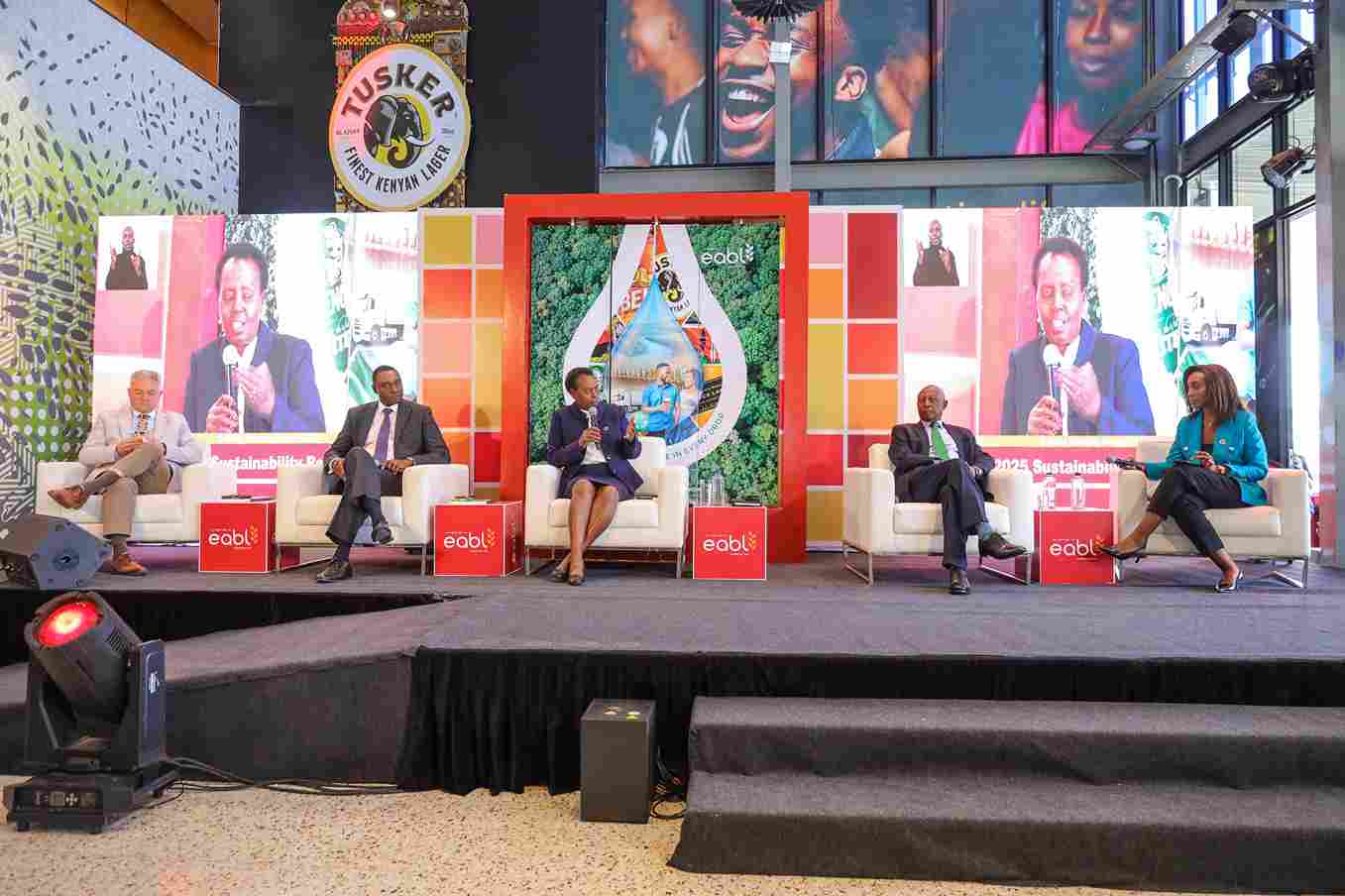
East African Breweries PLC’s fifth Sustainability Report is packed with bold moves, local wins, and a clear message: doing good is good business.
From powering factories with clean energy to helping farmers double their harvests, EABL is showing how a company can grow while lifting communities and protecting the planet.
“Sustainability is in Every Drop”
Group CEO Jane Karuku didn’t mince words at the launch:
“This year’s report reflects how we are embedding sustainability into every drop of our business. From protecting vital water sources to transitioning to renewable energy, we are proving that long-term business success goes hand in hand with environmental stewardship and social progress.”
She also celebrated EABL’s inclusive supply chain:
“As we look ahead to F26, we remain committed to building a supply chain that reflects the diversity of our region. True progress lies not just in what we produce, but in how we create value—by empowering women, youth, and People with Disabilities to participate meaningfully. Through initiatives like RISE, we are making inclusive sourcing the norm, not the exception.”
70% Powered by Renewable Energy
One of the biggest wins? EABL now powers more than 70% of its manufacturing with clean energy.
“I am proud to report that over 70% of our manufacturing operations have already transitioned to renewable energy. This tangible shift not only supports our net-zero goal by 2030 but also strengthens our operational resilience against future energy volatility and regulatory shifts. ”
That’s thanks to:
- Biomass plants in Nairobi, Kisumu, and Kampala
- Energy recovery systems
- Electric forklifts replacing diesel ones
- Water recycling systems that cut energy use
- Tusker Plant recovered 233,416.3 m³, representing 17% of total water use
- Kisumu Plant recovered 61,724 m³, representing 24% of water use
- Overall water efficiency improved to 2.69 L/L of product packaged, down from 2.84 L/L in F24
These results reflect KBL’s commitment to continuous improvement and resource stewardship.
Biomass Energy and Carbon Reduction
KBL’s investment in biomass plants at Tusker and Kisumu continues to pay off:
- Biomass materials now power key operations, reducing reliance on fossil fuels
- In F25, carbon emissions dropped to 6.1 kilotonnes, down from 7.7 kilotonnes in F24
This shift strengthens KBL’s resilience against energy volatility and supports its net-zero ambitions.
Water Wins: 700 Million Litres Replenished
In 2025 alone, EABL gave back over 700 million litres of water to the environment, above its 400 million litre target. That’s a jump from 2024 and brings its total to over two billion litres.
Packaging That Comes Back
EABL is also cutting waste through circular packaging:
- Lighter bottles and cans
- More returnable packaging
- Partnerships with recyclers to recover post-consumer waste
Equity and Inclusion: Not Just Buzzwords
EABL won “Organisation of the Year” at the Women on Boards Network Awards. But it’s not just about trophies—it’s about action:
- Maternity and menopause support policies
- More women in leadership
- Supplier programmes for women-led and disability-inclusive businesses
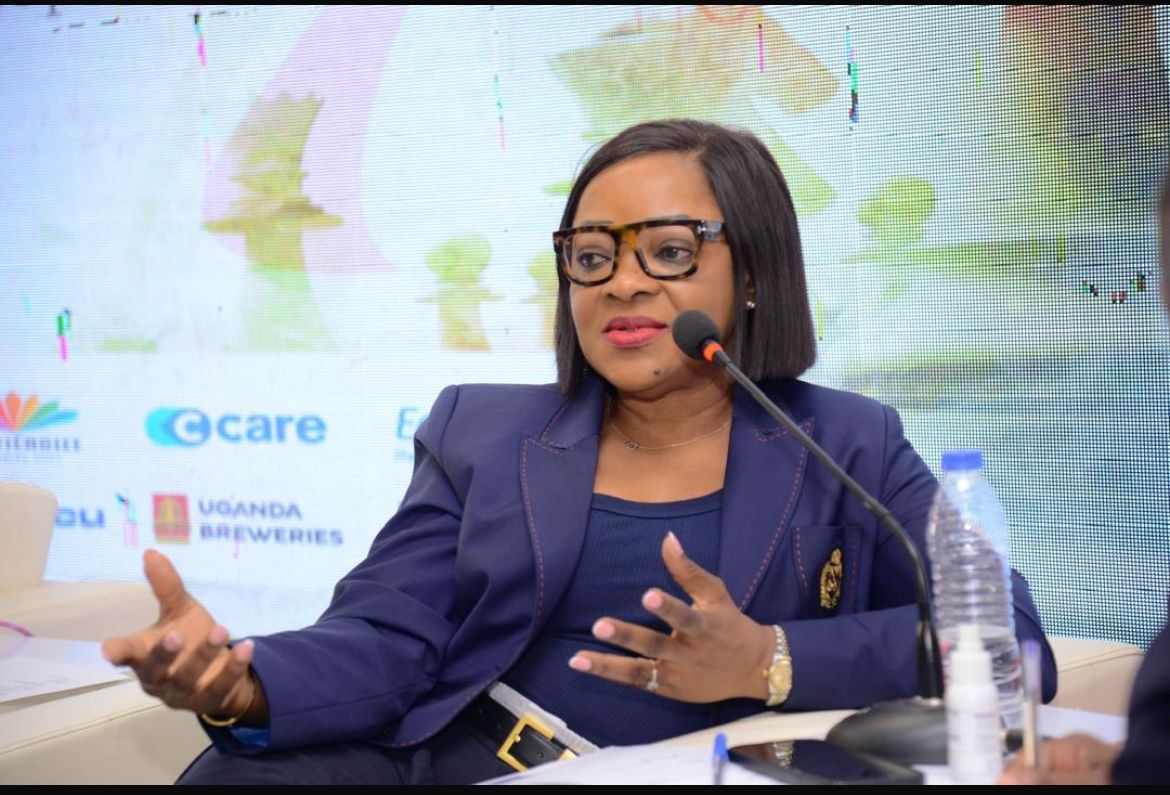
“At Uganda Breweries, sustainability isn’t a side initiative—it’s how we operate, empower, and grow. From sourcing grain from over 40,000 farmers to cutting carbon emissions by more than 90%, every decision we make is rooted in creating lasting value for our communities and the environment,” Felicite Nson, Managing Director, Uganda Breweries Ltd says.
“Through our Water for Life initiatives, we have brought safe water to over 4,900 households in the Teso sub region through 9 boreholes and one solar powered water scheme that provides safe clean water to over 1,100 households in Kibasi, Fort Portal ,where we source thousands of tonnes of grain each year. By giving women and girls easier access to water, we are also creating new opportunities for education, dignity, and empowerment.”
Community Impact: Skills and Support
EABL’s community programmes reached nearly 5,000 people in 2025—43% of them women. From hospitality training to business mentorship, the goal is clear: empower people to thrive.
In Tanzania,
“When opportunity meets preparation, transformation follows. Through our Learning for Life programme, we’ve equipped 109 young Tanzanians—half of them women—with hospitality skills, and nearly half are already employed. That’s impact you can measure,” says Dr. Obinna Anyalebechi, Managing Director of Serengeti Breweries Ltd.
Quick Look: EABL’s 2025 Impact
| What They Did | The Numbers |
|---|---|
| Clean Energy | 70% of manufacturing is powered renewably |
| Water Replenishment | 700M litres in 2025 (2B+ total) |
| Farmer Partners | 60,000+ (40% women, 700+ PWDs) |
| Community Programme Reach | 4,841 people (43% women) |
| Circular Packaging | Returnables, recycling, lightweighting |
| Gender Equity Recognition | WOBN “Organisation of the Year” |
| Regenerative Agriculture | Yields doubled in some regions |
