


Kenya’s small and medium-sized enterprises (SMEs) are rewriting the rules of growth driven by private equity and venture capital (PE/VC) that goes far beyond traditional financing.
In a market where short-term debt often stifles innovation, PE/VC is offering patient capital, strategic technical support and guidance, and capacity building to ensure resilience, especially during economic shocks like COVID-19.
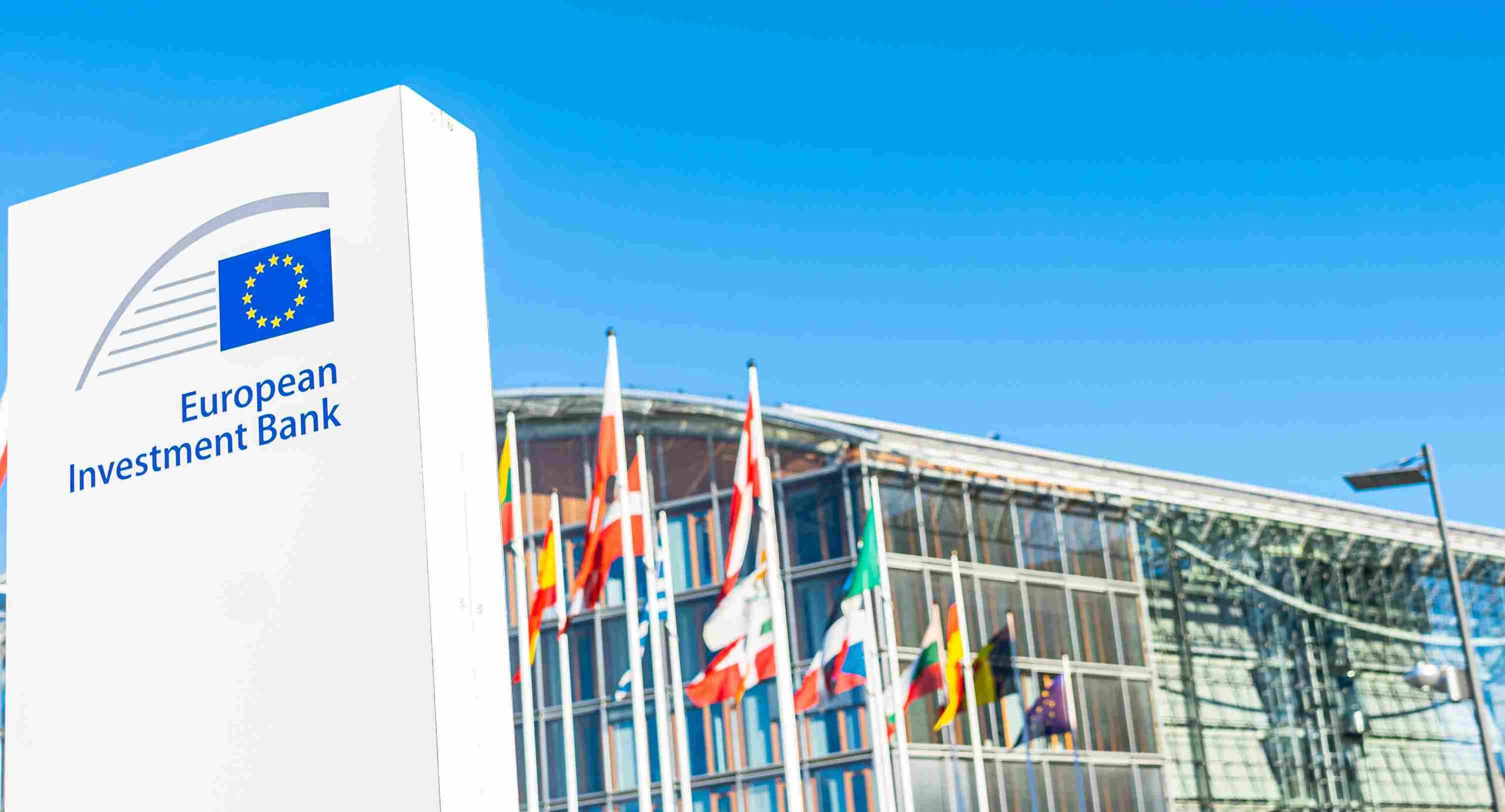
With backing from the European Investment Bank (EIB) through the Boost Africa initiative, Kenya’s most dynamic startups are scaling impact in energy, mobility, agriculture, fintech, and digital inclusion. The result: more jobs, deeper market access, and inclusive growth aligned with Kenya’s Vision 2030.
What Is Boost Africa?
Boost Africa is a transformative initiative designed to reshape Africa’s entrepreneurial landscape by bridging the persistent gap between promising startups and the capital, expertise, and support they need to thrive. Jointly launched by the European Investment Bank (EIB), the African Development Bank (AfDB), and KfW, with backing from the European Commission, the program targets early-stage venture capital funds focused on tech and tech-enabled sectors across the continent.
Strategic Capital with Local Intelligence
At the heart of Boost Africa is a commitment to patient capital funding that understands Africa’s longer growth cycles and avoids the short-term exit pressures common in developed markets. The initiative prioritises funds with regionally based teams who possess deep local market knowledge while leveraging global insights.
This approach ensures that investments are not only financially sound but also contextually relevant, empowering entrepreneurs to build resilient, scalable businesses that address real-world challenges.
The PE/VC Advantage: Flexibility Meets Strategy
Unlike conventional bank loans, which demand collateral and quick repayments, PE/VC offers long-term capital that allows the business to focus on growth as opposed to immediate repayments. This flexibility proved vital during the pandemic, when many SMEs needed to pivot or scale without the burden of immediate debt servicing.
As the European Investment Bank’s (EIB’s) 2024/2025 Global Impact Report notes, “Credit lines to SMEs and mid-caps… were rapidly allocated and disbursed” during COVID-19, with some intermediaries issuing thousands of small loans to microentrepreneurs. But equity financing went further, offering strategic support, governance, and access to networks that helped businesses not just survive but thrive.
EIB’s Role in Mobilising Private Capital for Kenyan Enterprises
The European Investment Bank’s support for African-focused private equity/venture capital funds goes back decades. To date, the EIB has invested over EUR 3.8 billion of its capital in 178 funds on the continent. This catalytic investment has gone on to mobilise over EUR 32.4 billion from other investors for the continent’s private sector.
EIB’s funding to private equity/venture capital funds understands the unique context of investing in Africa. The Bank, therefore, looks to provide patient capital that understands longer growth cycles beyond short-term investor exits that are very common in the developed markets.
The Bank also invests in funds that have regionally based teams with local expertise to help founders/entrepreneurs navigate complex markets while drawing from global trends and insights. It looks for scalable projects that balance profit with real, impactful economic growth.
Boost Africa’s Ecosystem Approach
Boost Africa is a joint initiative between EIB and the AfDB with support from the European Commission. The initiative seeks to reshape the entrepreneurial landscape by providing a conducive ecosystem that not only provides alternative financing for start-ups or high-growth enterprises but also offers technical support and capacity building to companies and funds operating in Africa to be sustainable and thrive long-term.
Boost Africa has a sharp focus on youth- and women-led enterprises, which are greatly underserved by traditional financing sources. The initiative has provided support to companies in ICT, healthcare, climate solutions, education, financial services, and the manufacturing sector.
EIB invested EUR 78 million, in turn mobilising EUR 382 million in new investment from public and private sector investors (by 2024). EUR 2 million was also dedicated to technical support, advice, and capacity building.
“Boost Africa is a unique proposition for young entrepreneurs in Africa; designed to bridge the venture capital gap and unlock sustainable growth across sectors from logistics to education and the creative industries,” says Edward Claessen, Head of the European Investment Bank’s Nairobi Regional Hub.
Emerging Boost Africa Beneficiaries in Kenya
Shamba Pride: Digitising Agribusiness
Founded by Samuel Munguti, Shamba Pride currently connects over 80,000 farmers and 4,000 agri-retailers through tech-powered digishops. Its platform modernises agro-dealer operations, improves supply chains, and builds local farming communities through the provision of quality farm inputs and linkage to markets for farmers’ produce.
When Shamba Pride wanted to scale up its growth, it had a challenge securing adequate funding. However, when an EIB-backed fund offered them their first cheque of USD 500,000 under the Boost Africa program, this unlocked exponential growth.
Aside from the funds, Shamba Pride was given strategy development advice and support in recruiting for its senior management roles, as well as accorded numerous networking opportunities.
Poa Internet: Affordable Broadband for All
Founded in Nairobi, Poa Internet is closing Kenya’s digital divide by delivering low-cost Wi-Fi to underserved communities. With support from Boost Africa, Poa scaled its operations to reach peri-urban and semi-rural areas, where traditional telecoms had little presence.
A 2024 impact study revealed that 62% of Poa users were first-time home Wi-Fi subscribers, and 70% of low-income households accessed the internet through Poa. Among professional users, 85% used the work service, and 68% reported increased income or savings. The platform also boosted digital literacy, with 83% of users learning new skills and 82% expanding their professional networks.
Poa’s model directly supports Kenya’s Digital Economy Blueprint and Vision 2030 goals for ICT infrastructure and inclusive access.

Turaco Ltd: Inclusive Microinsurance
Led by Ted Patone, Turaco is redefining microinsurance for underserved populations. With Boost Africa’s support, it’s scaling customer-centric insurance products for the mass market across Kenya.
The company’s vision is to insure one billion people worldwide, aiming to double global insurance coverage and shield more people from financial shocks.
Impact Metrics: Jobs, Access, and Resilience
According to the EIB report:
- Boost Africa-supported startups created over 38,000 net new jobs
- Poa Internet enabled 5.6 million people to access mobile data services
- Shamba Pride serves over 80,000 farmers and works with a network of over 4,000 agro-dealers
These outcomes reflect Kenya’s Vision 2030 economic pillar, which prioritises SME growth, infrastructure, and inclusive finance. They also align with the EU’s Global Gateway strategy, which mobilises investment in climate, energy, transport, and digitalisation.
Policy Alignment: From Kinoo to Brussels
Kenya’s PE/VC success is part of a broader policy convergence. The EIB’s commitment to mobilising one-third of the €300 billion Global Gateway investment target by 2027 is translating into real impact on the ground. In 2024 alone, the EIB signed €7.9 billion in financing outside the EU, with €3.25 billion targeting private sector beneficiaries.
In Kenya, this means targeted support for women-led businesses, youth entrepreneurship, and digital connectivity, core pillars of the country’s economic transformation under Kenya’s Bottom-Up Economic Transformation Agenda (BETA).
Unlocking the Future: Scaling the SME Revolution
As Kenya cements its role as East Africa’s innovation hub, PE/VC will be central to unlocking the next wave of growth. With the right policy environment, institutional support, and investor confidence, equity financing can help SMEs scale sustainably, create jobs, and compete globally.
The Boost Africa programme offers a blueprint for how strategic capital aligned with local needs and global goals can transform economies from the ground up.
“Each investment represents an opportunity to unlock economic potential, support entrepreneurship, and address critical market gaps in emerging economies.”
“Startups backed by Boost Africa are twice as likely to promote inclusive hiring practices—73% versus 39%—while actively recruiting across diverse skill levels and experience brackets.”
In Kenya, that opportunity is already taking root, and the startup and SME revolution is accelerating.
