


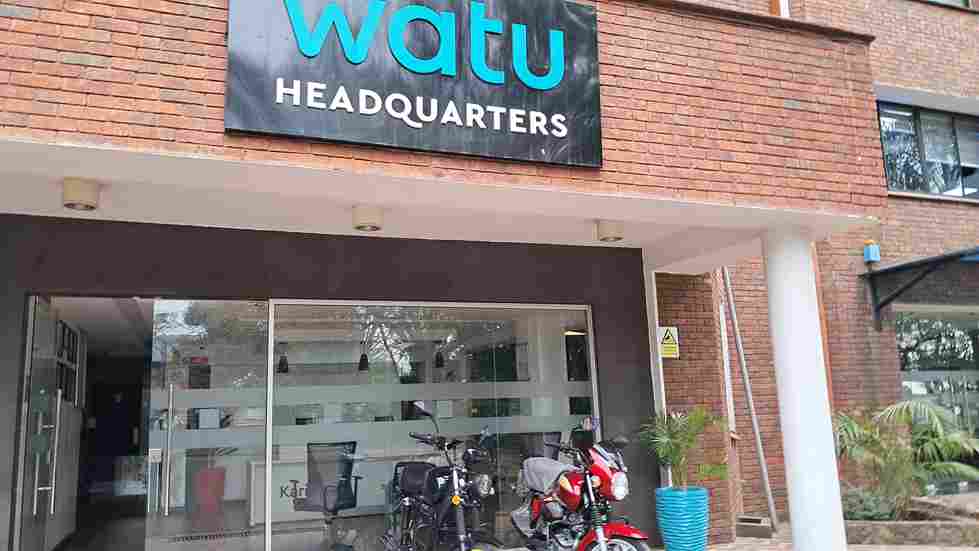
Watu, East Africa’s leading asset financing company, is scaling globally while deepening its grassroots impact across Kenya.
With operations now spanning Africa and Latin America, Watu’s success is rooted in a customer-first philosophy, robust community engagement, responsible lending practices, and a growing investment in electric mobility and AI-powered service delivery.
From Mombasa to Mexico: A Global Footprint
Watu began in Kenya in the year 2015 and has expanded to seven African markets, including South Africa, and recently launched operations in Mexico.
The company plans to enter additional continents, marking a rare trajectory for a Kenyan-born fintech. Kenya, Uganda, Tanzania, Rwanda, DRC, Sierra Leone, and Nigeria
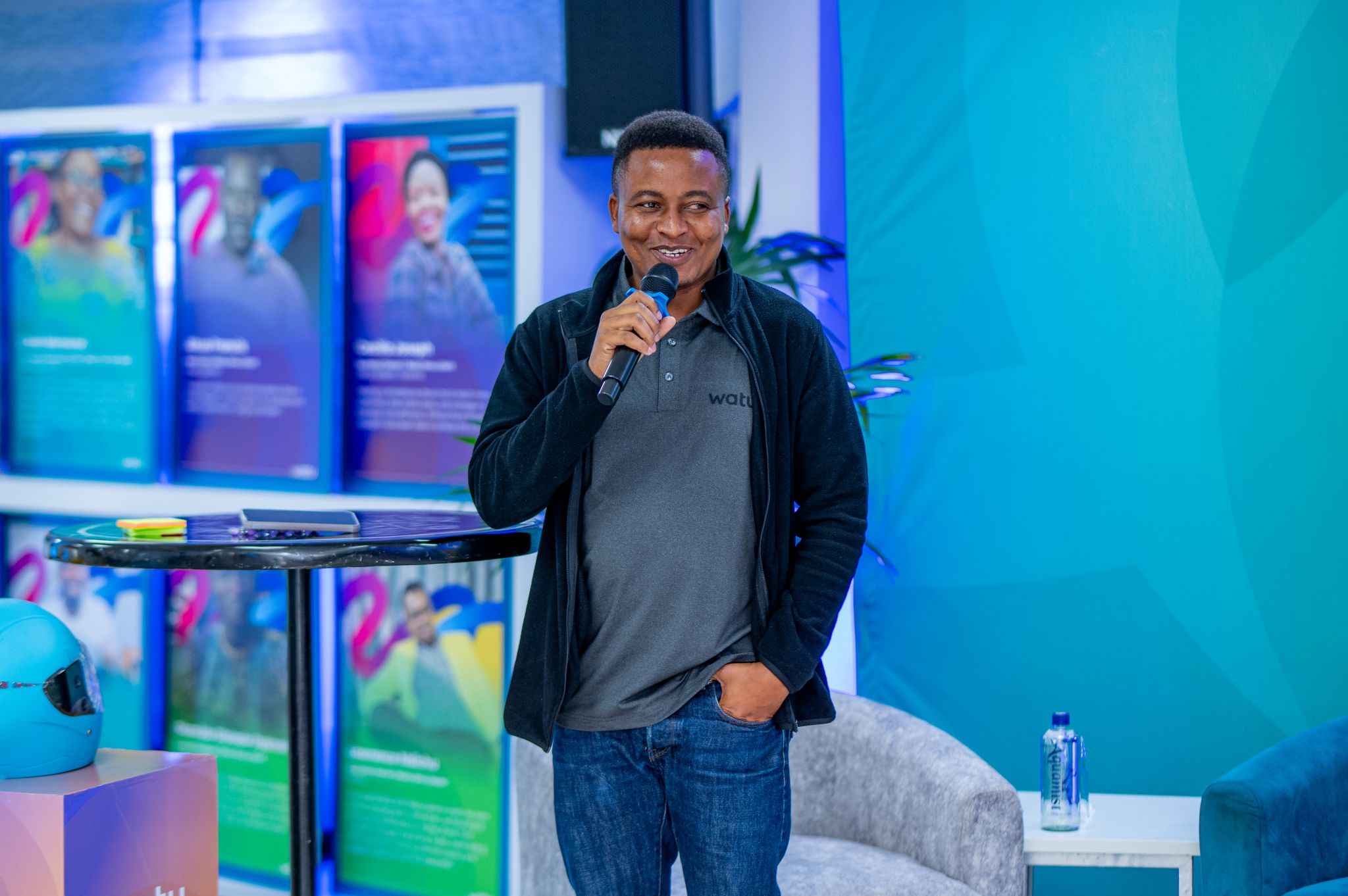
“We are the only asset financing company with a story that started in Kenya and crossed continental boundaries,” said Erick Massawe, Kenya Country Manager. “South America is not our final destination, we have plans to go even further.”
Financing Dreams, One Boda at a Time
Watu has financed over 500,000 motorcycles across Kenya, contributing to the country’s 2.5 million-strong boda boda fleet. These assets generate income for riders and ripple benefits across families and communities.
“You can go anywhere in Kenya and count 10 boda bodas—five to seven of those are likely financed by Watu,” Massawe noted. “That’s not marketing. That’s impact.”
Diversifying with Watu Simu
In 2023, Watu launched Watu Simu, a smart device financing arm. In under two years, it has financed 1.8 million devices, including smartphones and tablets, helping customers become more tech-savvy and connected.
“We joined a space with established players, but our growth has been constant,” Massawe said. “By putting customers at the center, we’ve created a model that scales impact alongside innovation.”
Serving Customers Everywhere
Watu’s customer support ecosystem blends physical presence with digital innovation. The company operates service centres nationwide and deploys mobile branches in underserved areas, such as Transmara.
“Most of our customers aren’t tech-savvy, but they are becoming so through Watu Simu,” said Chris Rumenda, Head of Commercial. “We’re always there—physically or virtually—to support them.”
Watu also runs a 24-hour emergency contact centre and recently launched WhatsApp support and a mobile app to enhance accessibility.
Building Trust with the Boda Boda Community
Watu has mapped 31 key regions and maintains active relationships with over 2,000 boda boda chairpersons across Kenya. The company supports riders with free helmets, reflectors, and first responder training.
“They may look disorganized, but the boda boda community is highly structured,” Rumenda explained. “We work with county, sub-county, ward, and state chairpersons to ensure safety and accountability.”
Shaping Policy and Promoting Responsible Lending
Watu is a member of Kenya’s Motorcycle Assembly Association and actively lobbies for inclusive regulation. The company is helping shape the implementation of the Business Laws Amendment Act, 2024, which brings asset financing under Central Bank oversight.
“We don’t give out loans that burden our customers,” Rumenda emphasized. “Transparency is key; every customer gets a clear breakdown of daily and monthly payments.”
Watu only finances high-impact assets and verifies each customer’s operational location through local leadership before disbursing loans.
Accelerating Kenya’s EV Revolution
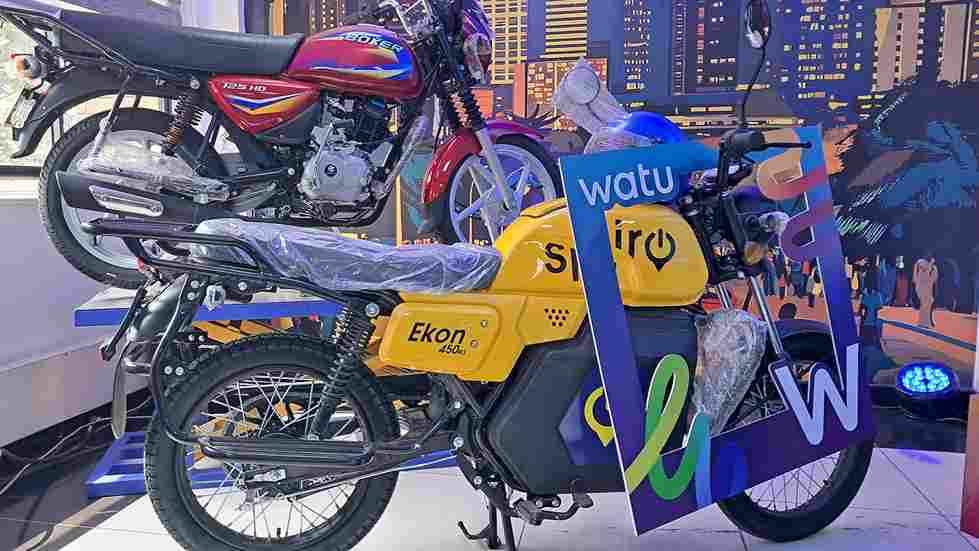
Kenya is emerging as a regional leader in electric mobility, with an estimated 8,000–10,000 EV bikes on the road and over 20 companies, including Spiro, Arc Ride, and Roam, driving adoption.
“EV bikes used to be among the worst on the market,” Eric Tsui, Commercial Business Development Manager noted. “Now, they are among the best; used by companies like Uber to deliver great service.”
EVs offer compelling benefits: lower fuel costs, reduced servicing due to fewer moving parts, and enhanced security through GPS tracking.
“Every EV bike is tracked and can be remotely disabled if stolen,” Tsui added. “That’s why investors are betting big on electric mobility.”
Supplier Alignment and Infrastructure Challenges
Watu’s expansion into electric mobility is closely tied to supplier infrastructure and battery availability. Each EV battery costs between $500 and $1,000, making supplier investment critical.
“Our role is the financier, but we must align with manufacturers and suppliers to expand sustainably,” Tsui explained. “Without reverse infrastructure, rapid expansion is difficult.”
Watu is working with suppliers to identify low-risk regions for expansion and build long-term partnerships that support scale.

Investing in AI for Smarter Service Delivery
While Watu is not yet deploying AI at scale in Kenya, the company is actively exploring AI-powered solutions to improve customer service, reduce operational costs, and enhance KYC processes.
“AI forces us to rethink our business model,” said Proud Dzambukira, Group Head of Product. “In Mexico, we launched image recognition for KYC—now we are exploring how to bring that to Kenya.”
Watu’s WhatsApp support channel now features light automation and escalation protocols, allowing customers to self-serve or connect with human agents.
“We’re building human-assisted automation,” Dzambukira added. “AI won’t replace people, but it will help us serve better, faster, and more personally.”
With over 600,000 customer interactions monthly, AI is expected to play a growing role in scaling support and personalisation.
Regulatory Evolution and Technology-Driven Safeguards
Watu operates as a non-deposit-taking asset financier, and recent regulatory changes have introduced new categories for institutions like Watu. The company uses technology to enforce responsible lending and asset protection.
“We use smart collateral models, like locking phones if payments are not made,” Dzambukira explained. “Technology helps us protect both the customer and the asset.”
As Kenya’s regulatory landscape evolves, Watu is actively contributing to policy development, ensuring that customer rights and financial sustainability remain at the forefront.
Looking Ahead for Inclusive Mobility
From financing boda bodas to pioneering electric mobility and AI-driven service, Watu is shaping the future of inclusive entrepreneurship across Kenya and beyond.
“We want to empower customers to self-serve, bring services to their fingertips—just like we brought smartphones to them,” Massawe concluded. “This is not just growth. It’s transformation.”
