



Africa is a rich frontier of creative expression, brimming with innovative storytelling, fresh interpretations of timeless themes, and imaginative takes on universal human issues.
Whether driven by necessity, shaped by inclination, or born of natural talent, Africans have long approached the world in uniquely original ways.
Yet when it comes to converting these ideas into careers, businesses, and sustainable industries, much work remains. Africa’s creators have had limited access to global markets, and even when they break through, they rarely benefit fully or retain control over how their ideas evolve.
Correcting this imbalance demands deliberate, strategic interventions. Encouragingly, several initiatives are now equipping young creatives across the continent to realise their full potential.
Skills Development
Talent alone is not enough. For creators to thrive, their artistic potential must be refined, directed, and amplified through formal training that speaks directly to the needs of their industries—whether in television, film, music, publishing, or live performance.

Tanzanian producer, writer, and script supervisor Everbright Everready Nkya shares how she struggled to enter the industry. Despite a wealth of creative ideas, she lacked a clear path to turn inspiration into opportunity.
“My biggest challenge was breaking into the film and TV industry without any formal training or prior experience,” she says.
“I was passionate about storytelling, but I had no professional roadmap—just a dream and the willingness to wing it.”
Institution-led training can bridge that gap. Nkya is a graduate of the MultiChoice Talent Factory (MTF) Academy in Nairobi, where she developed skills in writing, producing, directing, editing, and sound production. She applied those skills to high-calibre productions broadcast on MultiChoice platforms—one of Africa’s leading entertainment networks.
“I often felt unsure how to navigate the space, find opportunities, or present myself confidently as a filmmaker. Joining MTF changed everything. It gave me hands-on training and helped me build a portfolio I’m proud of.”
The MTF Academies—in Lagos, Nairobi, and Lusaka—demonstrate the value of industry-integrated education. Each year, they graduate over 50 skilled film professionals, with the majority entering the field directly. There’s still room for expansion and further investment.
Professional Networks
Technical skills are only part of the equation. For emerging creatives, success often hinges on their networks—how well-connected they are within the industry and how deeply they engage with collaborators.
“Working on real projects and connecting with both emerging and seasoned professionals taught me how the business side of filmmaking works,” says Nkya.
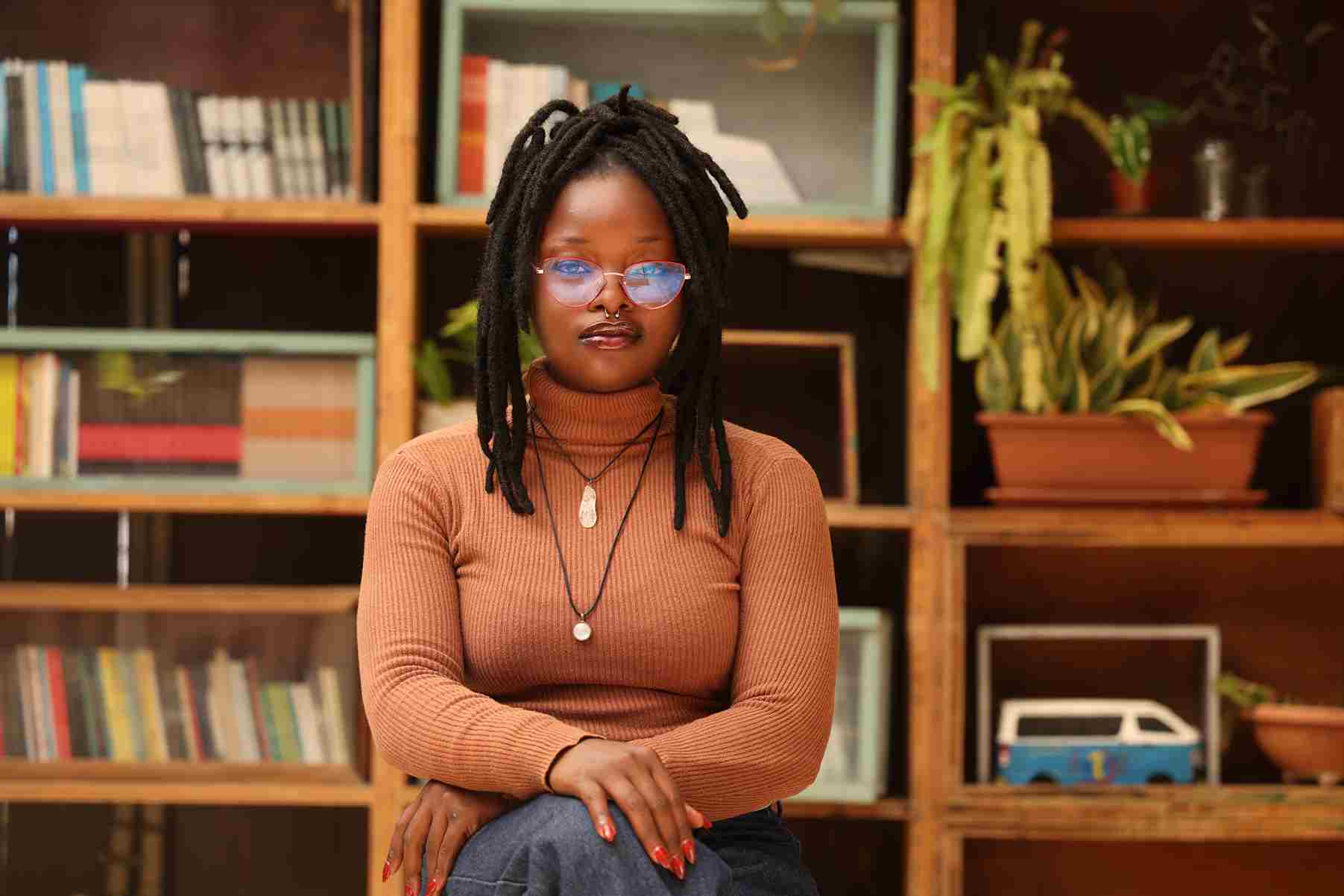
Angolan filmmaker Nazaré Pedro Gaspar echoes this sentiment.
“Alongside practical training, I gained a continental network that prepared me to lead projects, collaborate internationally, and contribute to Africa’s cinematic vision.”
That vision, says Gaspar, must reflect authentic African values.
“I see a more autonomous African industry—bold, committed to genuine narratives, made by Africans for the world.”
African Voices
Nigerian director and TV producer Isaac Effiong also champions a distinct African aesthetic. But for it to create industry impact, he believes creators must harness modern technology and digital tools.
“With our stories, languages, and cultures, we can reshape the world’s view of Africa,” says Effiong. “I’m doing this by building platforms that reflect real African experiences.”

Many young creators are embracing the richness of African culture, an ethos supported by MultiChoice’s hyperlocal strategy. The platform’s local-content archive exceeds 84,000 hours and continues to grow through productions on channels like Zambezi Magic, Africa Magic, Maisha Magic, and Showmax.
This “local content first” approach reflects a deep conviction: African audiences want to see themselves in the stories they watch.
Effiong recounts a pivotal learning moment at MTF.
“We were once challenged to reinterpret a classic African folktale in a modern urban setting. That exercise revealed just how adaptable and compelling our narratives truly are.”
“It shifted my perspective from mimicking Western formats to embracing and elevating African stories in our voice. That moment showed me—African stories don’t need validation. What they need are platforms.”
Article courtesy of Multichoice Kenya
