


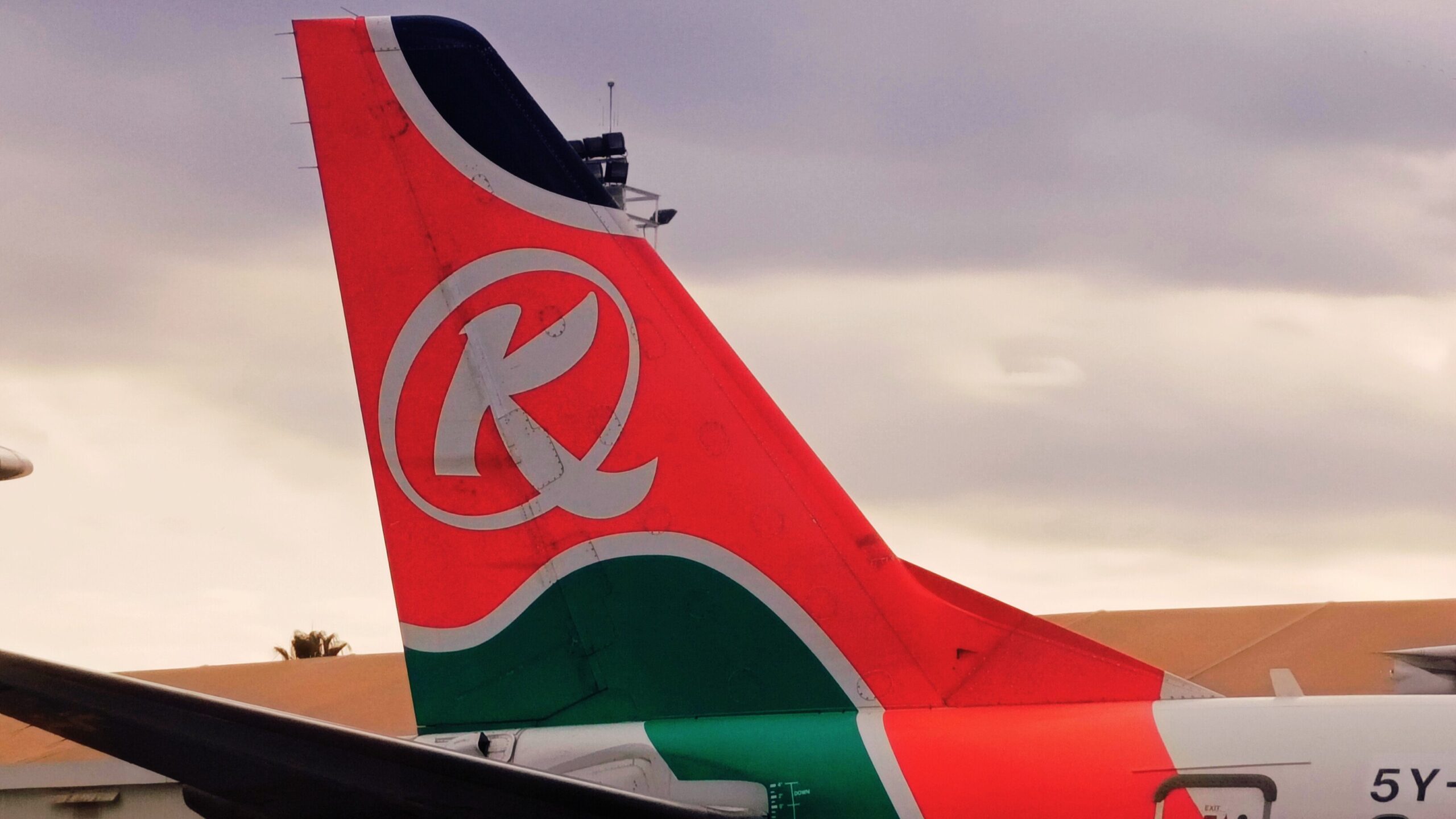
Kenya’s National Treasury now controls Kenya Airways, after its stake in the national carrier rose to 50.1% following the collapse of the airline’s employee share ownership plan.
The shift did not require the government to buy a single new share. When the Employee Share Ownership Plan (ESOP) wound up, it cancelled the 142.1 million shares it had held since the airline’s 2017 restructuring, shrinking total issued shares from 5.82 billion to 5.68 billion. That reduction mechanically lifted the proportional holdings of shareholders who never traded, pushing the Treasury across the 50% threshold from its previous 48.89%.
The majority stake hands the government formal control over the airline’s strategic direction, including the power to bring in a new investor or pursue a merger with the Kenya Airports Authority to consolidate aviation assets and reduce costs. That process is already underway. The government is actively seeking a strategic partner willing to inject KES 258 billion into the carrier as Kenya Airways wrestles with mounting losses and a balance sheet deep in negative equity.
Kenyan banks, through their holding vehicle KQ Lenders Company 2017 Limited, saw their combined stake ease to 37.2% from 38.09% after KCB and Equity Bank trimmed their positions by 104.4 million shares, retaining a combined 2.11 billion shares. KQ Lenders has been offloading shares on the Nairobi Securities Exchange within pre-approved trading limits.
Table 1: Shareholder structure — Kenya Airways (post-ESOP exit)
| Shareholder | Stake before | Stake after | Change |
|---|---|---|---|
| National Treasury | 48.89% | 50.10% | +1.21pp |
| KQ Lenders Company 2017 Ltd | 38.09% | 37.20% | −0.89pp |
| ESOP (wound up) | 2.44% | — | −2.44pp |
| Other shareholders | 10.58% | 12.70% | +2.12pp |
A Brutal Year on the Ground
Kenya Airways swung to a net loss of KES 17.2 billion in the full year to December 2025, reversing sharply from a net profit of KES 5.4 billion the year before. The turnaround caught the airline at a vulnerable moment, and the causes were both operational and structural.
Three Boeing 787-8 Dreamliner wide-body aircraft sat grounded for maintenance through much of December 2025, the result of global supply chain constraints and limited engine availability. Wide-body jets operate the long-haul routes that generate the most revenue per flight. Their absence cut the airline’s long-haul capacity by roughly 20%, disrupted schedules and pushed passengers toward competitors.
Passenger numbers fell 13% to 4.55 million from 5.23 million in FY2024. Cargo volumes dropped from 70,776 tonnes to 64,780 tonnes. Revenue fell 14.3% to KES 161.5 billion, producing an operating loss of KES 5.6 billion against an operating profit of KES 16.6 billion in the prior year.
Fleet ownership costs rose 33%, driven by the remeasurement of leased assets carried over from the previous year and the addition of Boeing 737-800 aircraft. Total operating costs eased 2.8% to KES 167.1 billion, but not by enough to offset the revenue collapse.
Table 2: Kenya Airways — key financials, FY2025 vs FY2024
| Metric | FY2025 | FY2024 | Change |
|---|---|---|---|
| Revenue (KES billion) | 161.5 | 188.5 | −14.3% |
| Total operating costs (KES billion) | 167.1 | 171.9 | −2.8% |
| Operating profit / (loss) (KES billion) | (5.6) | 16.6 | Swung to loss |
| Net profit / (loss) after tax (KES billion) | (17.2) | 5.4 | Swung to loss |
| Total assets (KES billion) | 183.2 | 179.1 | +2.3% |
| Total equity (KES billion) | (132.0) | (118.2) | Worsened |
| Passengers carried (million) | 4.55 | 5.23 | −13.0% |
| Cargo volumes (tonnes) | 64,780 | 70,776 | −8.5% |
| Fleet ownership cost change | +33% | — | — |
The Balance Sheet Problem
The wider financial picture remains concerning. The airline’s total assets grew a modest 2.3% to KES 183.2 billion. Its equity position, however, deteriorated further, deepening to negative KES 132 billion from negative KES 118.2 billion in FY2024. A negative equity position of that scale means the airline’s liabilities exceed its assets by KES 132 billion, a hole that no operational improvement alone can fill.
The airline confirmed on March 30, 2026 that flights across domestic, regional and international routes continue without disruption, and that all valid tickets remain fully honoured.
The strategic investor search now becomes the central question. With the Treasury holding a majority stake, the government can move decisively to structure a deal. Whether it can attract credible capital on terms that actually arrest the balance sheet deterioration, rather than merely slow it, will define Kenya Airways’ next chapter.
Table 3: KQ Lenders — reported share sales on the NSE
| Seller | Shares sold (million) |
|---|---|
| Suods Logistics | 21.0 |
| Danmill Enterprises | 14.5 |
| Ndindi Nyoro (Kiharu MP) | 10.3 |
| Primelane Properties | 8.3 |
| Total | 54.1 |
