



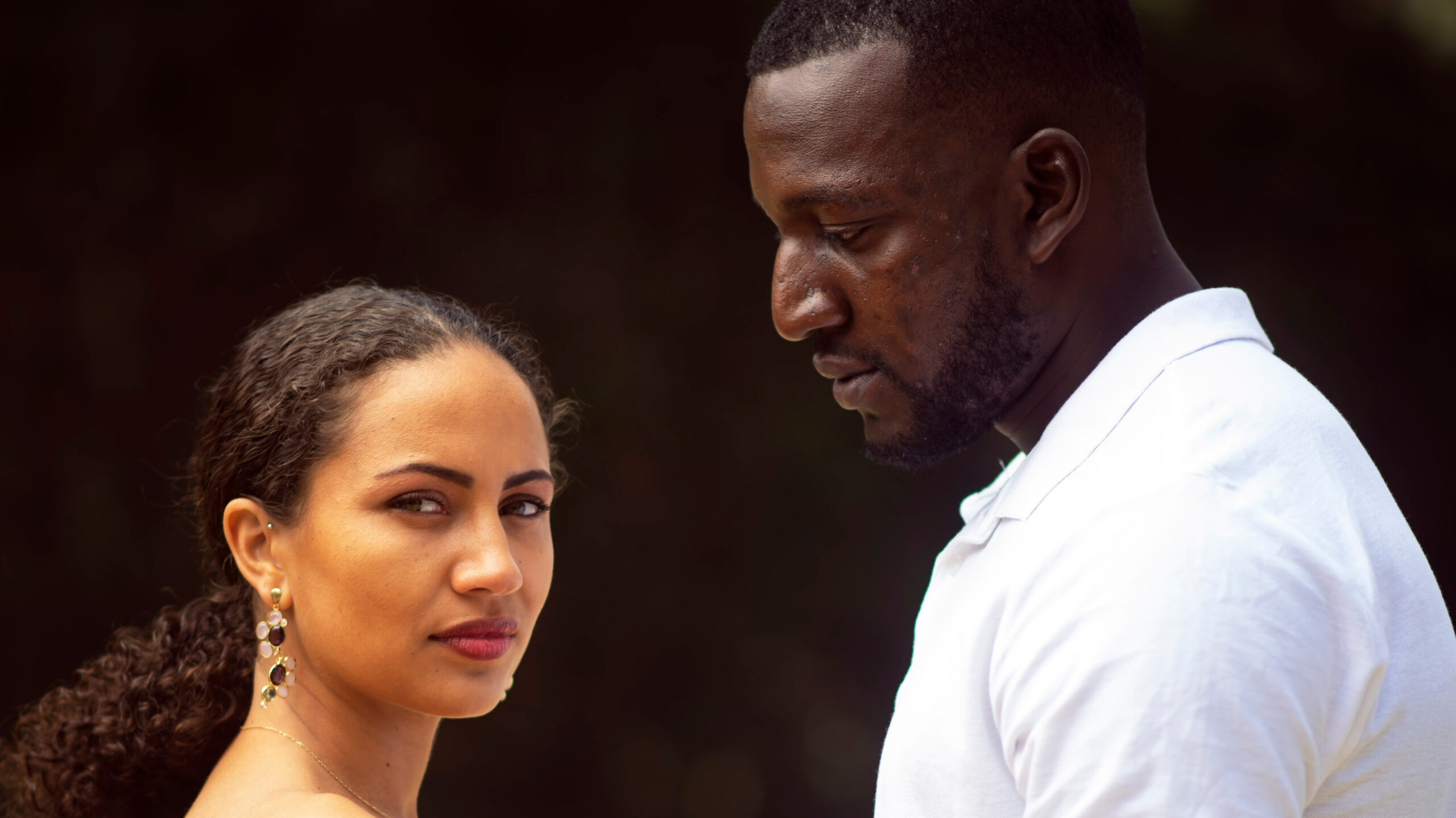
Jennifer Gatero’s new feature film opens at Nairobi Cinema on April 11, asking one question that cuts through every romantic relationship: when love breaks down, do you walk away or do you fight to find your way back?
Back to Us follows former lovers Amana and Kwame, brought together on a coastal trip to Watamu by mutual friends. Old wounds surface. Unresolved feelings pull at both of them. What happens next forms the emotional core of a film shot almost entirely on location along the Kenyan coast.
Why Gatero Set the Story in Watamu
The film grew out of a frustration with how love gets portrayed on screen. Gatero had watched Marriage Story, the 2019 Noah Baumbach film starring Adam Driver and Scarlett Johansson, and something in its rawness stayed with her.
“Hollywood has always shown very surreal, and most often unreal, depictions of love and romance,” she told Khusoko. “It is usually too clean, too simple. Real life is not like that at all. I loved the rawness of Marriage Story. It did not pretend that love was this perfect thing, because in reality it really is not. It gets messy, especially when you have been together a long time.”
Watamu became the answer to that messiness. The coast strips things back. There is nowhere to hide when you are surrounded by water, open sky, and people who knew you when you were still together. Gatero wanted that pressure. She wanted her characters to feel it.
The Cast
Quincy Rapando, known to Kenyan audiences through Single Kiasi and Zora, leads the film as Kwame. Kate Snow of You Again plays Amana. Grace Wachanga and Pete Munyaka, who appeared in An Instant Dad, also star. Daniel Muindi, producer of Acts of Love and Love and Coffee, produced the film.
One Director, Three Jobs
Gatero wrote, directed, and served as cinematographer on Back to Us. Writing and directing she treats as one continuous process. She starts blocking shots in her head while still working on the script. On set, she keeps rewriting. But picking up a camera herself was new territory.
“I have always loved cinematography but fear always held me back,” she said. “This time I dove into the deep end. Adding cinematography was challenging because on top of writing and directing, I also had to think about lighting, camera placement and shot composition. It was a lot, but I loved every minute of it.”
She believes the film looks exactly as a coastal story should. Watching it will make that case for her.

What Gatero Wants Audiences to Feel
The film carries a specific urgency for Gatero. She looks around and sees relationships fracturing at a rate that troubles her.
“There is a divorce pandemic in the world. I have never seen more families and couples break up than right now,” she said. “I do not think it is because people have grown apart or stopped loving each other. It is a generation that was never taught to communicate their feelings.”
Making the film pressed her to examine her own thinking. “It made me think more deeply about which relationships are worth saving,” she said. “A difficult conversation cannot be had unless two people are completely in it. You cannot fight for anything alone. As long as you are both fighting and you both care, then anything can be sorted out. The moment one person gives up, unfortunately, that is already done.”
Her goal for audiences is measured and real. “If I can get two or three people to consider couples therapy, if I can get more people to engage in difficult conversations after watching the film, then my vision will have been fulfilled.”
Quincy Rapando on Playing Kwame
Rapando has built his reputation playing characters who move fast and speak loudly. Kwame is different. The character carries unresolved feelings and works through them quietly, beneath the surface.
“Kwame is a much more internal character than what I have explored before,” Rapando told Khusoko. “In shows like Single Kiasi and Zora, there is often more external expression and pace. With Kwame, it is quieter. A lot of the work is happening in what is not being said.”
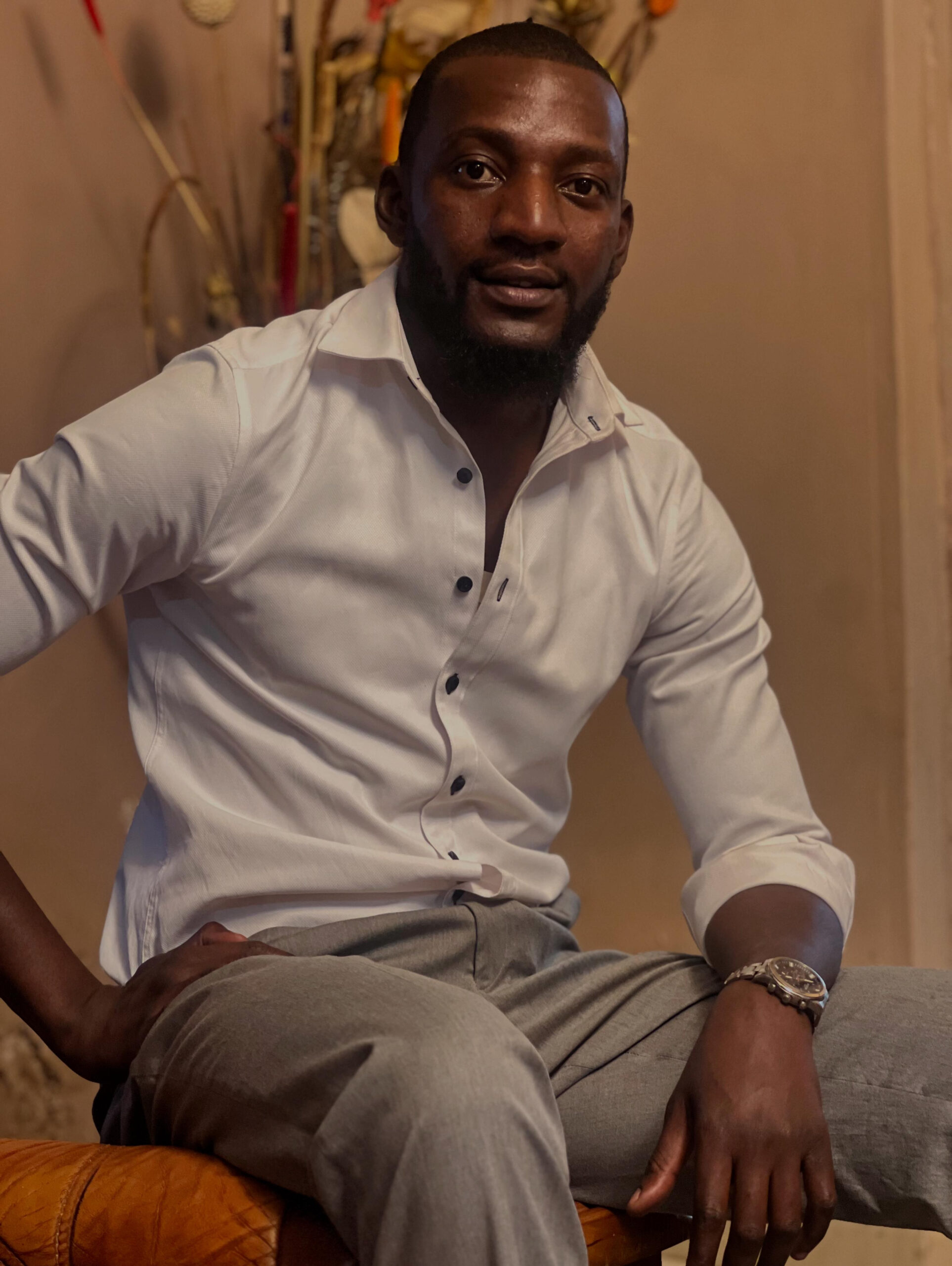
He did not treat the role as a performance to deliver. He treated it as an invitation to be honest. “Playing Kwame forced me to sit with things I might normally ignore, especially around accountability and self-reflection. The work became less about showing emotion and more about understanding it.”
Watamu helped. “The environment is calm, almost disarming,” he said. “Being away from familiar routines makes you more present. That kind of environment naturally brings a level of honesty and connection that is hard to replicate in a controlled studio setting.”
Kate Snow on Playing Amana
Amana arrives at the coast already carrying something heavy. She tries to hold herself together in a setting designed for relaxation, surrounded by friends who can see exactly what she is doing.
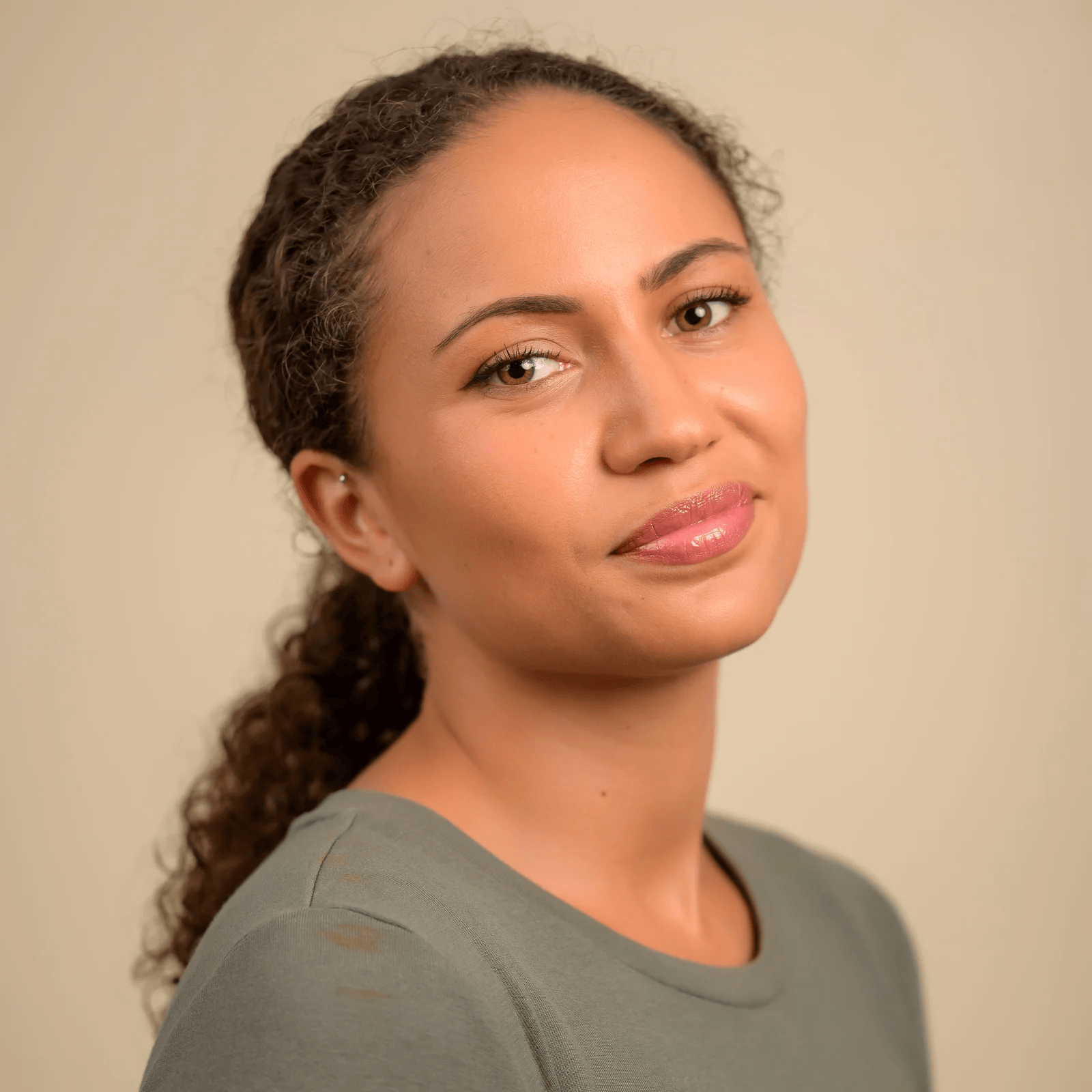
“Amana is a complex character and many of her battles are internal,” Snow told Khusoko. “I often hold a lot of stillness in my characters to find their peace and grounding, but with Amana, I encountered a lot of irritability and a struggle to let go.”
What surprised Snow was watching Amana shift across the shoot. “Day by day, I found her becoming more grounded, being gently nudged by her surroundings to slow down and reconnect with herself. It was a battle she was constantly trying to navigate. My focus throughout was on surrendering to her emotions rather than resisting them.”
Building the dynamic with Rapando took time and intention. The two spent weeks together in Nairobi before filming began, sitting with the script, talking through the characters, and getting to know each other’s instincts as actors. By the time they arrived in Watamu, trust was already in place.
“We were in Watamu for two weeks, so even outside of filming there was time to connect,” Snow said. “That really helped deepen the dynamic and made everything feel more grounded and authentic on screen.”
She believes the film will not let audiences off easily. “I think it will be hard to walk away from this film without wanting to engage more openly and vulnerably with others, and perhaps most importantly, with yourself. I hope it also reminds people to show a little more kindness to each other and to yourself.”
Gatero’s Track Record
Gatero started writing while still in secondary school, producing the Kenyan drama Better Days before going on to write Changing Times. Through Avant Films, she directed Nairobby and An Instant Dad, both of which landed distribution deals with Netflix. Her drama series This Is Life, A Better Life, and Best Friends Forever followed.
She knows how to build stories that find their audience. Back to Us feels like her most personal bet yet.
Why the Cinema Screening Matters
After the April 11 premiere at Nairobi Cinema, Back to Us moves to Avant Cinema, the TVOD platform owned by Avant Films. But Gatero is clear about why the theatrical moment comes first.
“Watching a film in cinema is very different because you are experiencing it with fellow film lovers, collectively,” she said. “It is the difference between listening to Beyoncé at home and going to the concert. The best part of an in-person screening is the discussion with the cast and crew after. To talk to the actors about their performances, to the crew about production, and to go back and forth on different perspectives. That makes a world of difference.”
For anyone who has ever stayed too long, left too soon, or wondered what a difficult conversation might have changed, this is the film worth showing up for. It opens April 11 at Nairobi Cinema. The conversation starts there.
