



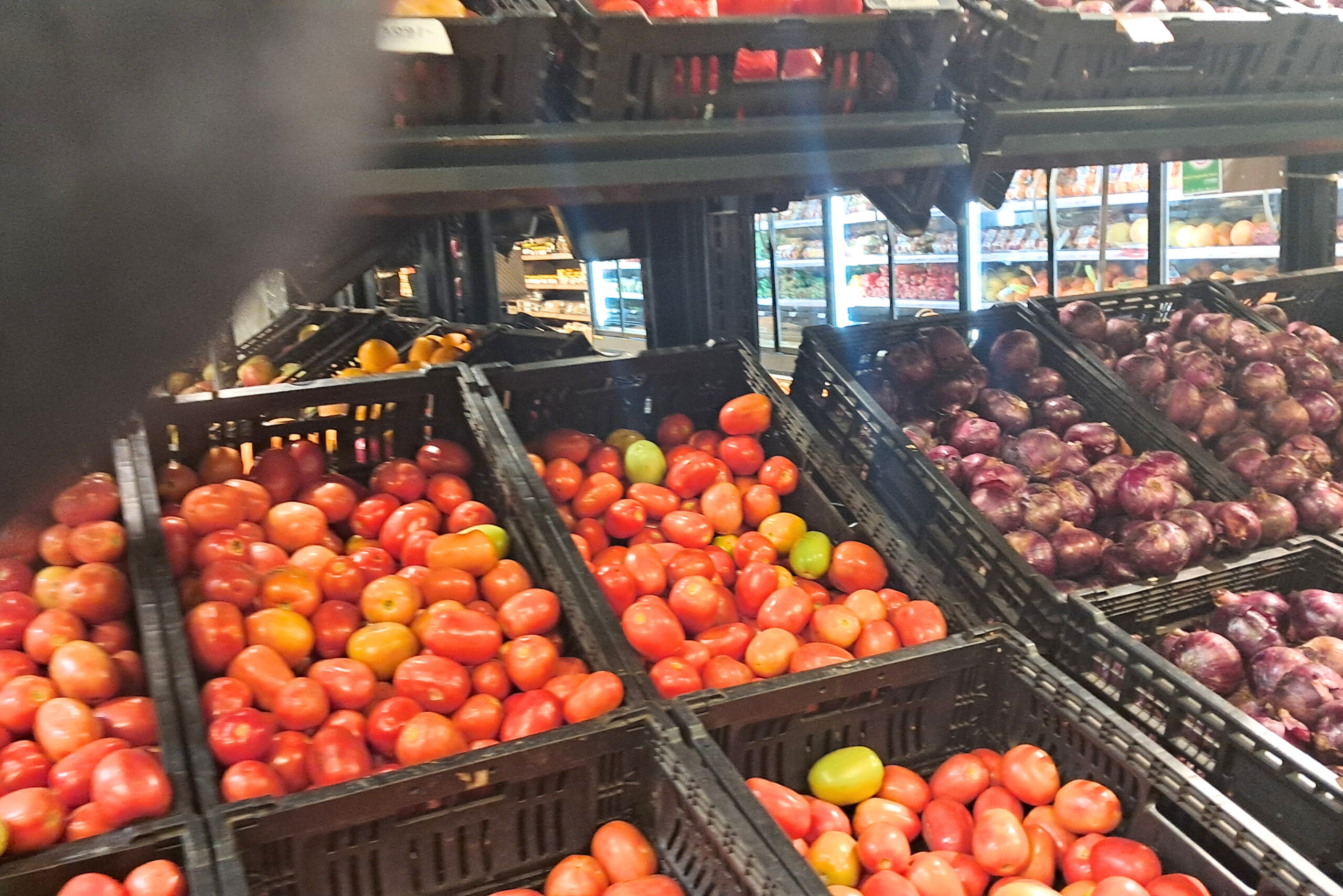
Kenya’s annual inflation rose to 4.4% in March 2026, up from 4.3% in February, as food costs continued to squeeze household budgets, the Kenya National Bureau of Statistics reported on Tuesday.
The Consumer Price Index moved from 149.20 in February to 150.00 in March, translating to a monthly inflation rate of 0.5%, compared with 0.2% the previous month. Prices overall stood 4.4% higher than in March 2025.
Food Remains the Biggest Pressure Point
Food and non-alcoholic beverages drove the bulk of the increase, rising 7.7% over the year and contributing 2.2 percentage points of the total 4.4%. Transport added 3.8% annually, while housing, water, electricity, gas and other fuels rose 2.0%. Together, these three categories account for more than 57% of the total weight in the KNBS basket.
| Category | Annual Change | Monthly Change |
|---|---|---|
| Food and Non-Alcoholic Beverages | +7.7% | — |
| Transport | +3.8% | Stable |
| Housing, Water, Electricity, Gas and Fuels | +2.0% | — |
| Health | +2.7% | — |
| Education | +3.3% | — |
| Restaurants and Accommodation | +2.4% | — |
| Information and Communication | +0.5% | — |
Key Food Price Movements
| Item | Monthly Change | Annual Change |
|---|---|---|
| Tomatoes | +13.3% | +23.2% |
| Beef with Bones | +1.8% | — |
| Irish Potatoes | — | +18.8% |
| Sukuma Wiki | — | +17.9% |
| Sugar | -1.3% | Slight decline |
| Maize Grain (loose) | -2.4% | — |
| Cabbage | -3.8% | — |
| Cooking Oil | — | Slight decline |
Month to month, some staple prices moved sharply. Tomatoes jumped 13.3% between February and March, and beef with bones rose 1.8%. The monthly dip in maize and cabbage offered limited relief against a full year of climbing vegetable and protein costs.
Food carries the heaviest single weight in the CPI at nearly 33%. Any sustained rise hits lower-income families hardest.

Energy Costs Add Strain
| Item | Monthly Change | Annual Change |
|---|---|---|
| Petrol (per litre) | Ksh 179.35 | Stable |
| Diesel (per litre) | Ksh 167.72 | Stable |
| Electricity (50 kWh) | — | +2.5% |
| Electricity (200 kWh) | — | +2.2% |
| Gas/LPG (13 kg) | -0.1% | — |
| Single Room Rent | No change | — |
Fuel prices held steady, but electricity costs rose across both low and mid-level consumption brackets. Gas and LPG in 13 kg cylinders edged marginally lower. Single-room house rent remained unchanged.
Core Inflation Stays Contained
| Inflation Measure | Rate | Contribution to Overall Inflation |
|---|---|---|
| Overall Inflation | 4.4% | — |
| Core Inflation | 2.1% | 2.5 percentage points |
| Non-Core Inflation | 10.8% | 1.8 percentage points |
| Food and Non-Alcoholic Beverages | 7.7% | 2.2 percentage points |
Core inflation, which strips out volatile items such as fresh food and fuel, stood at 2.1%. Non-core inflation reached 10.8%, reflecting the outsized pressure from food and energy.
What This Means Going Forward
Kenya Inflation Trend: January to March 2026
| Month | Annual Inflation Rate |
|---|---|
| January 2026 | 4.4% |
| February 2026 | 4.3% |
| March 2026 | 4.4% |
The 4.4% rate sits near the Central Bank of Kenya’s target band. March’s reading reverses two months of easing. Policymakers will watch the coming months for fresh pressure from food supply disruptions or energy costs.
KNBS Director General Macdonald Obudho noted that the data draws from a monthly survey of retail prices across 50 urban zones, conducted in the second and third weeks of each month. The base period for the current CPI is February 2019.
