



Kenya’s annual inflation rate eased to 4.3% in February 2026, down from 4.4% in January. This marks a seven‑month low and keeps inflation within the Central Bank of Kenya’s preferred 5% target range. The decline was largely driven by lower fuel and energy costs.
Food Prices Still Pressuring Households
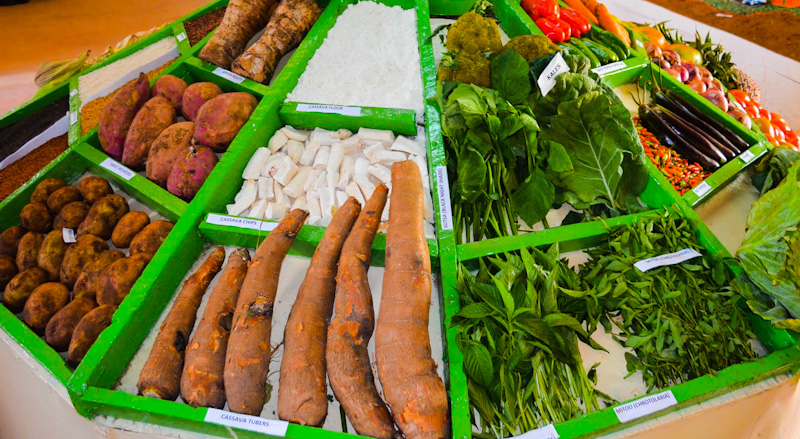
Despite the headline drop, households continue to feel the pinch of rising food costs. Staples such as Irish potatoes and cabbage recorded notable increases, while sukuma wiki (kale) rose by 2.4%.
The Kenya National Bureau of Statistics (KNBS) report highlighted food and non‑alcoholic beverages as the biggest driver, rising 7.3% year‑on‑year.
Key Inflation Drivers
- Food & Non‑Alcoholic Beverages: +7.3%
- Transport: +4.0%
- Housing, Water, Electricity, Gas & Fuels: +1.8%
Other items also saw modest increases: miraa (khat) +1.3%, spirits +0.3%, dishwashing paste +1.6%, and medical services +0.7%. Education costs edged higher, with textbooks and exercise books rising between 0.3% and 0.5%. Hospitality services also climbed, with hotel snacks and lodging up by 0.6–0.8%.
Mixed Movements in Food Commodities
Between January and February 2026, food prices showed mixed trends:
- Sugar: fell from KSh 174.17 to KSh 166.56/kg
- Mangoes: dropped from KSh 149.09 to KSh 144.37/kg
- Tomatoes: eased slightly from KSh 87.98 to KSh 87.90/kg
- Irish potatoes: rose from KSh 98.25 to KSh 102.16/kg
- Cabbage: increased from KSh 71.47 to KSh 74.33/kg
These shifts underline the uneven nature of food inflation, with some relief offset by rising costs in key staples.
Mixed Movements in Food Commodities (Jan–Feb 2026)
| Item | Jan Price (KES/kg) | Feb Price (KES/kg) | Change (%) | Trend |
|---|---|---|---|---|
| Sugar | 174.17 | 166.56 | –4.4 | Decrease |
| Mangoes | 149.09 | 144.37 | –3.2 | Decrease |
| Tomatoes | 87.98 | 87.90 | –0.1 | Decrease |
| Irish Potatoes | 98.25 | 102.16 | +4.0 | Increase |
| Cabbage | 71.47 | 74.33 | +4.0 | Increase |
Energy and Fuel Costs
Energy prices provided significant relief during the same period:
- Kerosene: fell from KSh 154.96 to KSh 153.96/litre
- Electricity (200 kWh): dropped from KSh 5,718.08 to KSh 5,564.96
- Electricity (50 kWh): decreased from KSh 1,304.29 to KSh 1,265.96
- Petrol: reduced from KSh 183.59 to KSh 179.35/litre
- Diesel: declined from KSh 171.64 to KSh 167.72/litre
| Item | Jan Price (KES) | Feb Price (KES) | Change (%) | |
|---|---|---|---|---|
| Petrol (per litre) | 183.59 | 179.35 | –2.3 | |
| Diesel (per litre) | 171.64 | 167.72 | –2.3 | |
| Kerosene (per litre) | 154.96 | 153.96 | –0.6 | |
| Electricity (200 kWh) | 5,718.08 | 5,564.96 | –2.7 | |
| Electricity (50 kWh) | 1,304.29 | 1,265.96 | –2.9 |
These reductions helped offset food price pressures, keeping the overall inflation rate subdued.
Currency Stability and Monetary Policy
A relatively stable shilling over the past two years has contained imported price pressures. The Central Bank has also cut borrowing costs for 10 consecutive meetings since August 2024, signaling confidence that inflation will remain under control.
While the easing inflation rate is welcome, the high cost of food continues to weigh heavily on households. The KNBS report justifys that even small increases in staple prices can erode consumer relief from lower fuel and electricity costs.
