



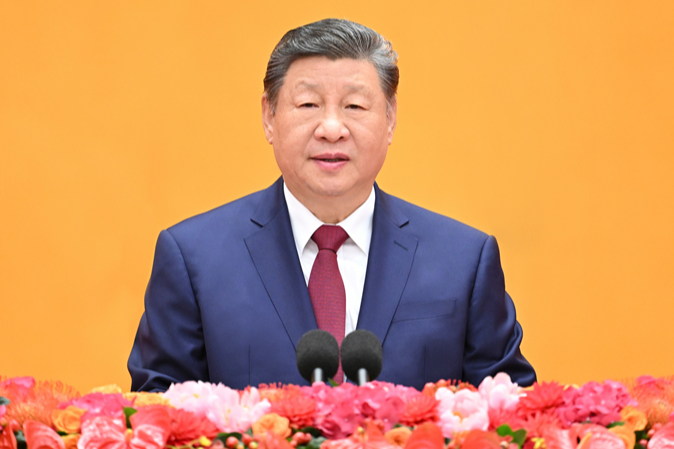
China will grant zero‑tariff treatment to imports from 53 African countries with diplomatic ties to Beijing, beginning May 1, 2026.
The move signals a major expansion of China’s economic engagement with Africa and comes as uncertainty lingers over the renewal of the U.S. African Growth and Opportunity Act (AGOA) and ongoing trade disputes with the European Union.
───────────────────────────────────
1‑Minute Key Insights
───────────────────────────────────
📌 China opens its market
Starting May 1, 2026, imports from 53 African countries
will enter China duty‑free.
⏳ Strategic timing
The move comes as U.S. AGOA faces renewal uncertainty
and EU trade deals remain contentious.
🌍 Broader coverage
Previously limited to least developed countries, the policy
now extends to nearly all African nations except Eswatini.
💰 Economic impact
China may forgo $1.4 billion in tariff revenue, but gains
influence and soft power across Africa.
⚖️ Persistent imbalance
Africa’s trade deficit with China hit $59.55 billion in the
first eight months of 2025, reflecting reliance on raw materials.
➡️ Next steps
Negotiations with South Africa and others aim to finalize
early agreements by March 2026.
──────────────────────────────────────────
Trade Commitment
President Xi Jinping announced the policy in a congratulatory message to African Union leaders during the 39th AU Summit. He pledged that nearly all African nations with diplomatic relations to China will benefit from duty‑free access, building on earlier commitments made in Changsha in 2025.
China will also accelerate negotiations on economic partnership agreements and upgrade its “green channel” mechanism to streamline African exports into the Chinese market. Xi framed the initiative as part of broader global shifts, noting the rising influence of the Global South.
Deepening China–Africa Ties
Xi praised the AU for advancing regional integration and safeguarding Africa’s interests. He emphasized China’s commitment to peace, shared development, and building a “community with a shared future for humanity.”
The announcement coincides with the 70th anniversary of China–Africa diplomatic relations. Xi highlighted decades of solidarity and pledged to strengthen cooperation, expand people‑to‑people ties, and advance what he called an “all‑weather” partnership.
Until now, duty‑free access applied mainly to least developed countries (LDCs). In 2024, Beijing extended zero‑tariff treatment to all products from African LDCs. The new policy broadens coverage to nearly the entire continent, excluding only Eswatini, which maintains ties with Taiwan.
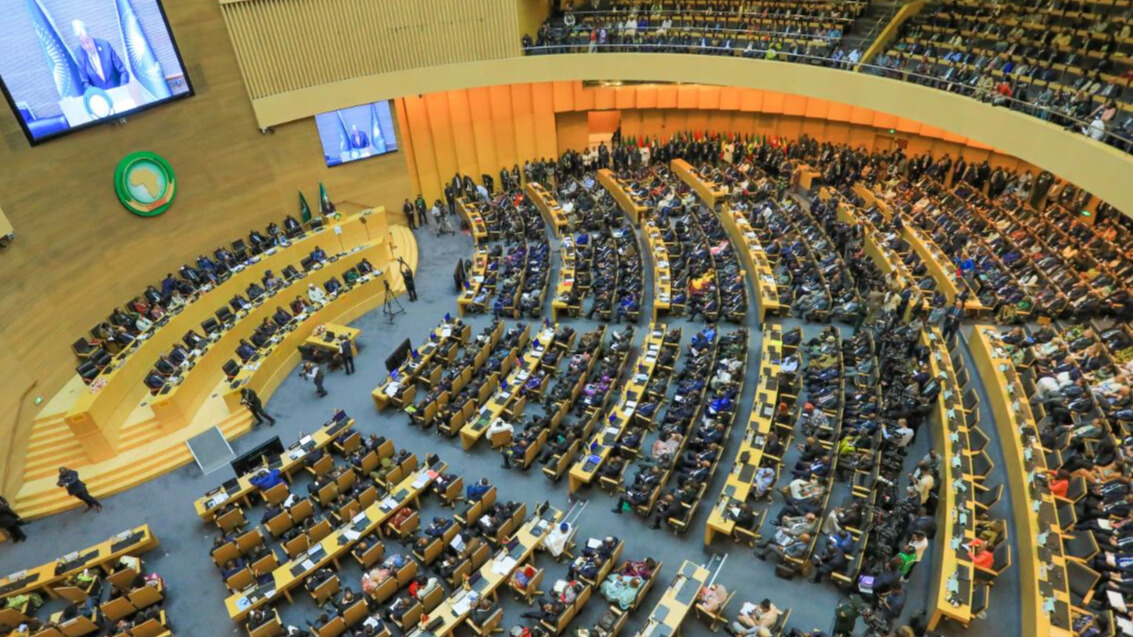 African Leaders Push for Trade Balance
The decision follows sustained diplomatic engagement. South African President Cyril Ramaphosa recently visited Beijing, leading to a framework agreement signed by Trade Minister Parks Tau and China’s Commerce Minister Wang Wentao.
Negotiations on an Early Harvest Agreement are expected to conclude by March 2026, granting South African exports duty‑free access.
Kenya concluded its first round of negotiations on November, 19, 2025.
Ugandan President Yoweri Museveni has also urged measures to correct structural trade imbalances between China and African economies.
Trade Growth, But Imbalance Persists
China–Africa trade reached $222.05 billion between January and August 2025, up 15.4% year‑on‑year. Yet the balance remains skewed:
- Chinese exports to Africa: $140.79 billion (up 24.7%)
- African exports to China: $81.25 billion (up 2.3%)
- Africa’s trade deficit: $59.55 billion in the first eight months of 2025
Africa continues to rely heavily on raw materials such as oil, copper, cobalt, and iron ore, while importing higher‑value manufactured goods from China. For example, Africa imported 15,032 megawatts of Chinese solar panels between July 2024 and June 2025, a 60% increase from the previous year.
Strategic Positioning and Global Contrast
Economists estimate China will forgo $1.4 billion in tariff revenue under the expanded scheme. The policy strengthens Beijing’s economic diplomacy and positions it as an alternative to Western trade programs:
- EU’s “Everything But Arms”: duty‑free access only for LDCs
- U.S. AGOA: selective duty‑free access, subject to renewal and suspension
By contrast, China’s zero‑tariff regime covers nearly all African nations with diplomatic ties, offering broader and more predictable access.
Challenges Ahead
Despite tariff removal, structural barriers remain. Non‑tariff hurdles—such as regulatory standards, logistics bottlenecks, and financing gaps—continue to limit African exporters. Beijing has pledged additional support, including dedicated funds and financial products, to help African enterprises compete in the Chinese market.
China’s sweeping zero‑tariff policy marks a turning point in its relationship with Africa. While the initiative promises new opportunities, success will depend on whether African economies can overcome structural constraints and diversify beyond raw materials. For African leaders, the challenge is clear: leverage duty‑free access to build stronger, more balanced trade ties with the world’s second‑largest economy.
