


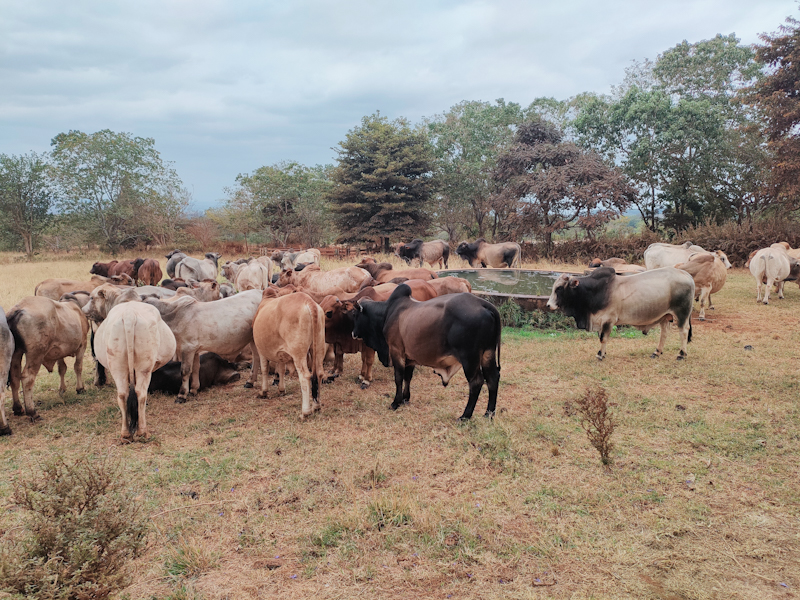
Africa’s livestock sector holds immense potential, yet much of its value remains untapped.
Equity Group Holdings is leading efforts to transform this pastoral asset into a structured industrial system, positioning livestock and leather as drivers of food security, inclusive incomes, and industrial growth.
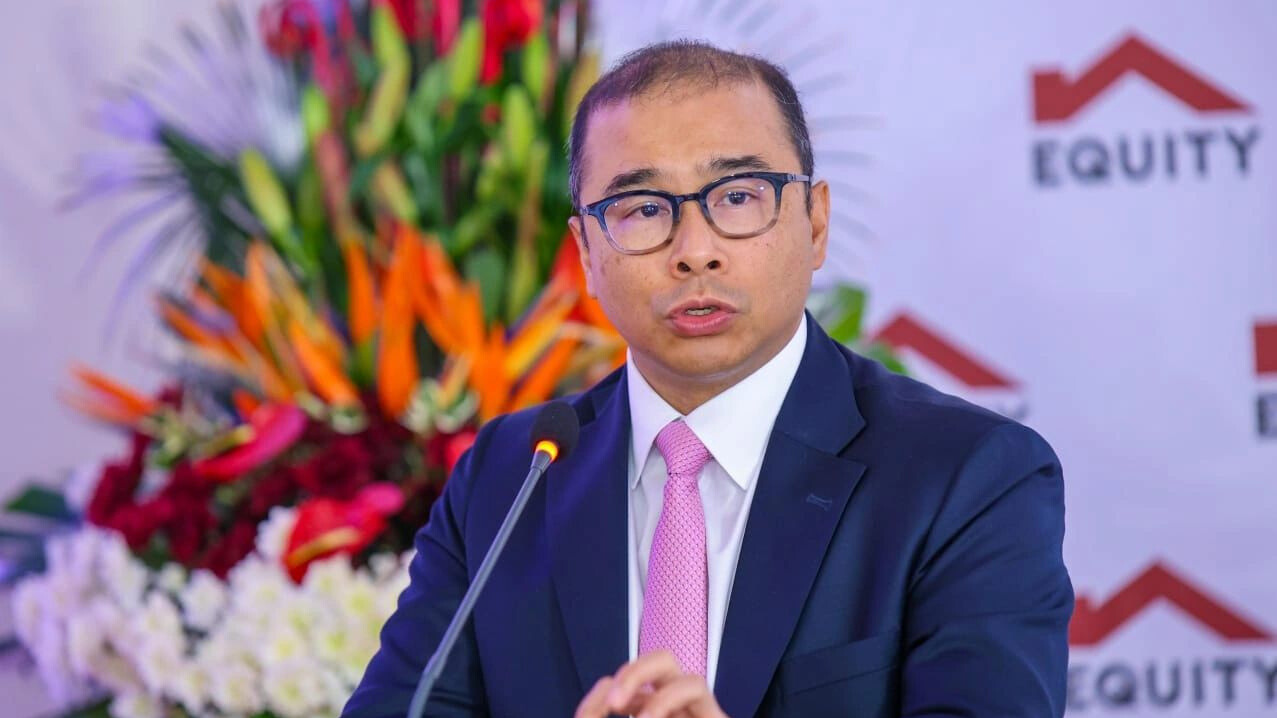
“Informality reflects the absence of system architecture rather than a social or cultural condition. When pastoral and informal producers are integrated into structured production, processing, and market systems, they can meet global standards at scale,” writes Brent Malahay, Chief Strategy Officer at Equity Group Holdings, in his paper, “From Pastoral Asset to Industrial System: Transforming Africa’s Livestock and Leather Economy”, themed Formalising informality into Industry.
From Abundance to Value Creation
Africa hosts 25% of the world’s grazing livestock, but contributes marginally to global leather markets. Kenya, for example, ranks 11th globally in herd size but only 58th in leather exports.
According to government estimates, the country’s leather industry could grow into an $850 million market by 2040, up from less than $50 million today, if processing and manufacturing capacity are scaled.
Malahay explained that the challenge is not resource scarcity but system fragmentation:
“What exists is scale without structure, production without processing, and trade without transformation. Finance must function as a design instrument that aligns incentives, builds capability, and formalises entire ecosystems into coherent, investable industries.”
Building the Foundation
Equity Group’s Social Engine focuses on integrating pastoralists and smallholders into market-linked production. This includes:
- Training in animal husbandry and health.
- Financial literacy and tailored credit products.
- Risk-sharing instruments to extend finance into climate-exposed regions.
Large ecosystem anchors such as conservancies and commercial producers serve as aggregation hubs, standardizing grazing management and animal health practices while transmitting knowledge to surrounding communities.
Scaling Processing Capacity
The Economic Engine prioritizes mechanization and formalization of slaughterhouses and tanneries. Asset financing and IFC-backed portfolio guarantees support upgrades that improve hygiene, throughput, and hide quality.
“Structured training of flayers and early-stage handlers protects quality at source and improves yields across meat and leather streams,” Malahay noted.
This ensures livestock flows efficiently into both food and manufacturing systems, reducing losses and boosting export competitiveness.
Linking to Global Markets
Equity Group has built strong partnerships with European leather ecosystems, including Italy, France, and Spain. Trade missions and technical exchanges connect African producers to global buyers and standards.
“Market integration and sustainability provide durability. By embedding ESG and climate-smart practices into financing, we strengthen resilience across food and industrial supply chains,” Malahay emphasized.
How Stanbic Bank is Connecting Kenyan Farmers to Markets through Digital Platforms
Manufacturing and Circularity
Beyond processing, Equity Group supports leather goods manufacturing to retain value locally. Partnerships in Tanzania and Kenya are helping expand factories, develop skills, and promote contract manufacturing models. Circular production systems and ESG-aligned financing ensure growth is sustainable.
Turning Endowment into Industry
Equity Group’s approach demonstrates how livestock can evolve from a social store of wealth into a reliable industrial input, and leather from a low-value commodity into a globally competitive product.
“Catalytic capital supports early capability formation, commercial finance scales proven operations, and trade connectivity anchors investment in real demand. This is how we convert livestock endowment into a foundation for resilient food systems and inclusive industrial prosperity,” Malahay concluded.
Kenya’s Private Equity Moment: Local Vision, Global Leverage
