



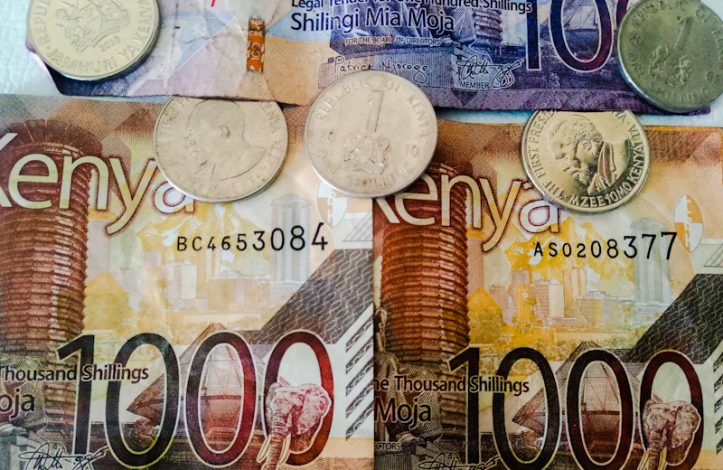
As lovers across the globe hunt for the perfect Valentine’s Day gift, sweethearts, across East Africa, central banks are raising alarm over a growing trend: the misuse of currency banknotes in decorative and celebratory displays.
From cash bouquets to ornamental arrangements, these practices may look festive, but they carry serious consequences for the economy and the public.
Why It Matters
Banknotes are designed to serve as a medium of exchange, unit of account, and store of value. When folded, glued, taped, pinned, or stapled, their integrity is compromised. As the Central Bank of Kenya (CBK) cautioned, such actions “interfere with the efficient operation of cash-handling and processing equipment, including ATMs and cash counting machines.” This leads to premature withdrawal and replacement of notes, an avoidable cost borne by the public.
The National Bank of Rwanda (NBR) echoed this concern, noting that “such practices compromise the integrity of Rwandan Franc banknotes, rendering them unsuitable for use in cash-handling and processing equipment.”
Similarly, the Bank of Uganda warned that bouquets made with brand-new notes “destroy the utility of banknotes making them unusable in cash processing and distribution equipment.”
The Legal Dimension
Defacing currency is not just discouraged, it is illegal.
- In Kenya, Section 367 of the Penal Code (Cap. 63) prohibits defacement, mutilation, or impairment of banknotes.
- In Rwanda, Law Nº 68/2018 of 30/08/2018 makes willful damage to currency punishable.
- In Uganda, the Bank of Uganda reminds the public that mutilation of notes undermines their role in facilitating transactions and is subject to enforcement.
Responsible Gifting
All three central banks emphasize that using cash as a gift is acceptable, but only when it does not involve defacement or damage.
Alternatives such as envelopes, gift boxes, or digital transfers preserve the integrity of currency while still honoring cultural traditions of generosity.
Public Awareness and Education
Safeguarding currency is a shared responsibility. CBK reaffirmed, it “remains committed to safeguarding the integrity of the national currency in circulation and will continue to undertake public sensitisation and stakeholder engagement.”
NBR and BoU have made similar commitments, underscoring the regional effort to protect public trust in money.
