


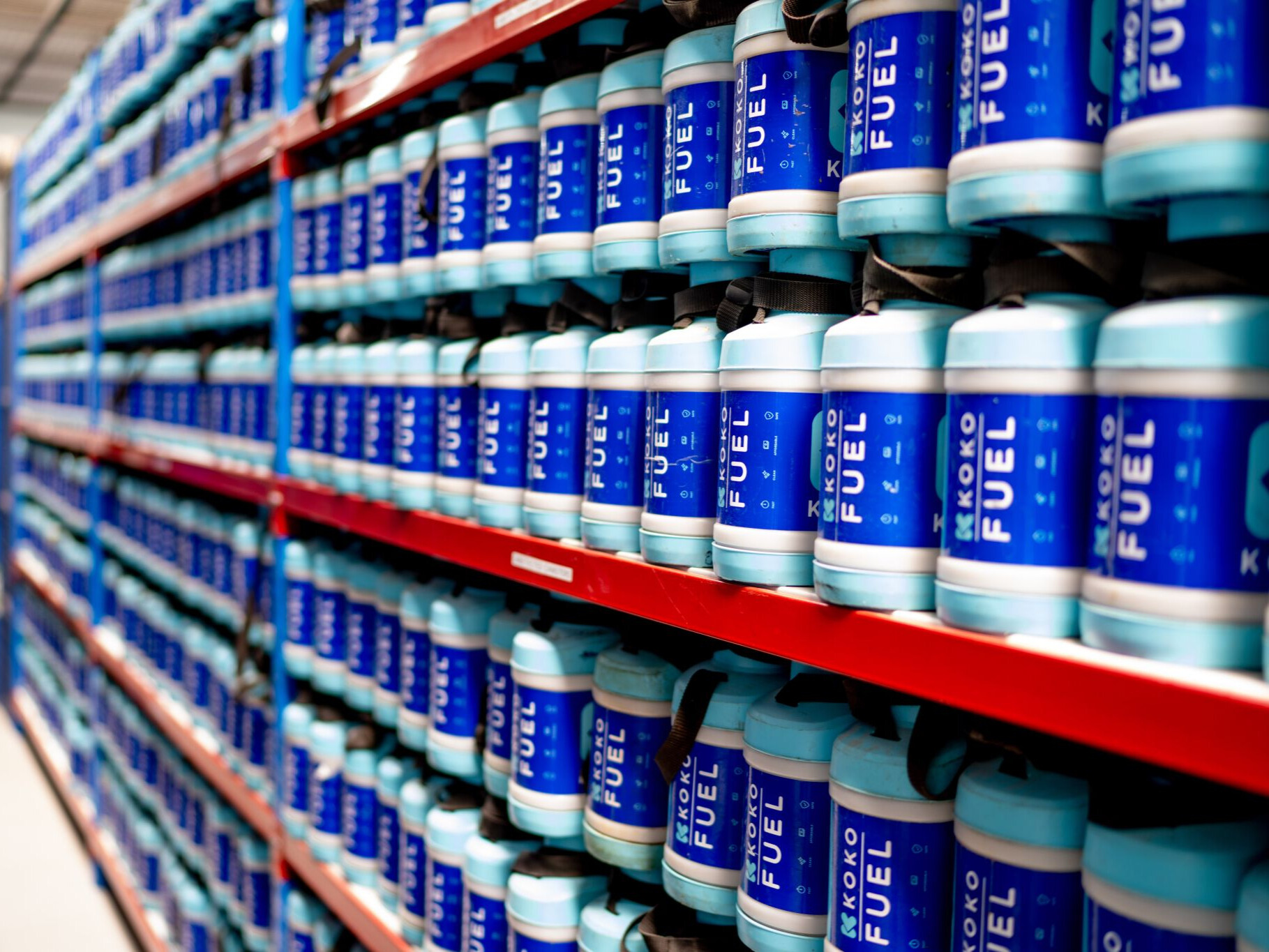
Koko Networks, the clean‑cooking startup founded in 2013, has shut down operations after laying off its entire workforce of 700 employees.
The closure follows the Kenyan government’s refusal to issue a Letter of Authorisation (LOA) that allowed the company to sell carbon credits, an essential pillar of its subsidised fuel model.
Without the LOA, Koko’s business of selling bioethanol at half the market price through more than 3,000 dispensers collapsed. Households in low‑income areas such as Nairobi’s Mathare slums now face higher costs and health risks as they revert to polluting charcoal and kerosene. Thousands of agents who relied on Koko’s network have also lost their income.
Carbon Credits at the Core
Koko’s model depended on selling internationally certified compliance carbon credits generated from households switching from charcoal to bioethanol. These revenues funded subsidies that kept bioethanol affordable at KES 100 ($0.77) per litre, compared to the market price of KES 200 ($1.54). Stoves were also heavily subsidised at KES 1,500 ($11.53) against a market price of KES 15,000 ($115.30).
The Financial Times reported that Koko may file a $179.6 million insurance claim with the World Bank’s Multilateral Investment Guarantee Agency (MIGA), alleging breach of contract under the world’s first carbon‑linked political risk cover.
The shutdown could push 1.5 million households back to dirtier fuels, undermining Kenya’s clean‑cooking ambitions and threatening progress on deforestation reduction.
Kenya Companies Face Liquidation, Shutdowns, and Receiverships 2025
Global Backing and Local Fallout
Koko had raised more than $100 million in debt and equity from investors including Verod‑Kepple, Rand Merchant Bank, Mirova, and Microsoft Climate Innovation Fund. In 2025, the World Bank’s MIGA provided a $179.64 million guarantee to support Koko’s expansion, aiming to add three million customers by 2027.
Founded by Greg Murray to combat deforestation, Koko’s collapse highlights the fragility of clean‑cooking ventures reliant on carbon markets and government approvals. The company has not yet issued an official statement.
Kenya’s Private Equity Moment: Local Vision, Global Leverage
