



The African Export-Import Bank (Afreximbank) terminated its credit rating relationship with Fitch Ratings, arguing that the agency’s assessments failed to reflect the Bank’s mandate and mission. The decision follows Fitch’s downgrade of Afreximbank to one notch above junk status in 2024, a move that intensified scrutiny of the lender’s risk profile and raised borrowing costs.
Moody’s and Fitch Downgrades Fuel Debate on Western Influence
Moody’s downgraded Afreximbank shortly after Fitch, reinforcing concerns about how Western rating agencies shape perceptions of African creditworthiness.
Analysts criticized the “Big Three” — Fitch, Moody’s, and Standard & Poor’s — for applying frameworks that inflate risk premiums and distort Africa’s economic realities.
Afreximbank Defends Robust Business Profile
Afreximbank rejected Fitch’s downgrade, emphasizing that its business profile remains strong. The Bank highlighted its shareholder support, legal protections under its Establishment Agreement, and its continued ability to finance and promote intra- and extra-African trade.
The termination marks Afreximbank’s most significant strategic move since George Elombi became president in 2025. The Bank reaffirmed its commitment to innovative financing structures, industrialisation, and implementation of the African Continental Free Trade Agreement (AfCFTA).
Strong Fundamentals Support Afreximbank’s Position
At the end of December 2024, Afreximbank reported total assets and contingencies of US$40.1 billion and shareholder funds of US$7.2 billion.
Despite Fitch’s exit, the Bank retains investment-grade ratings from GCR (A), Moody’s (Baa2), CCXI (AAA), and JCR (A-).
Afreximbank Expands Group Structure
The institution has evolved into a group entity comprising the Bank, its equity impact fund subsidiary — the Fund for Export Development Africa (FEDA) and its insurance management arm, AfrexInsure.
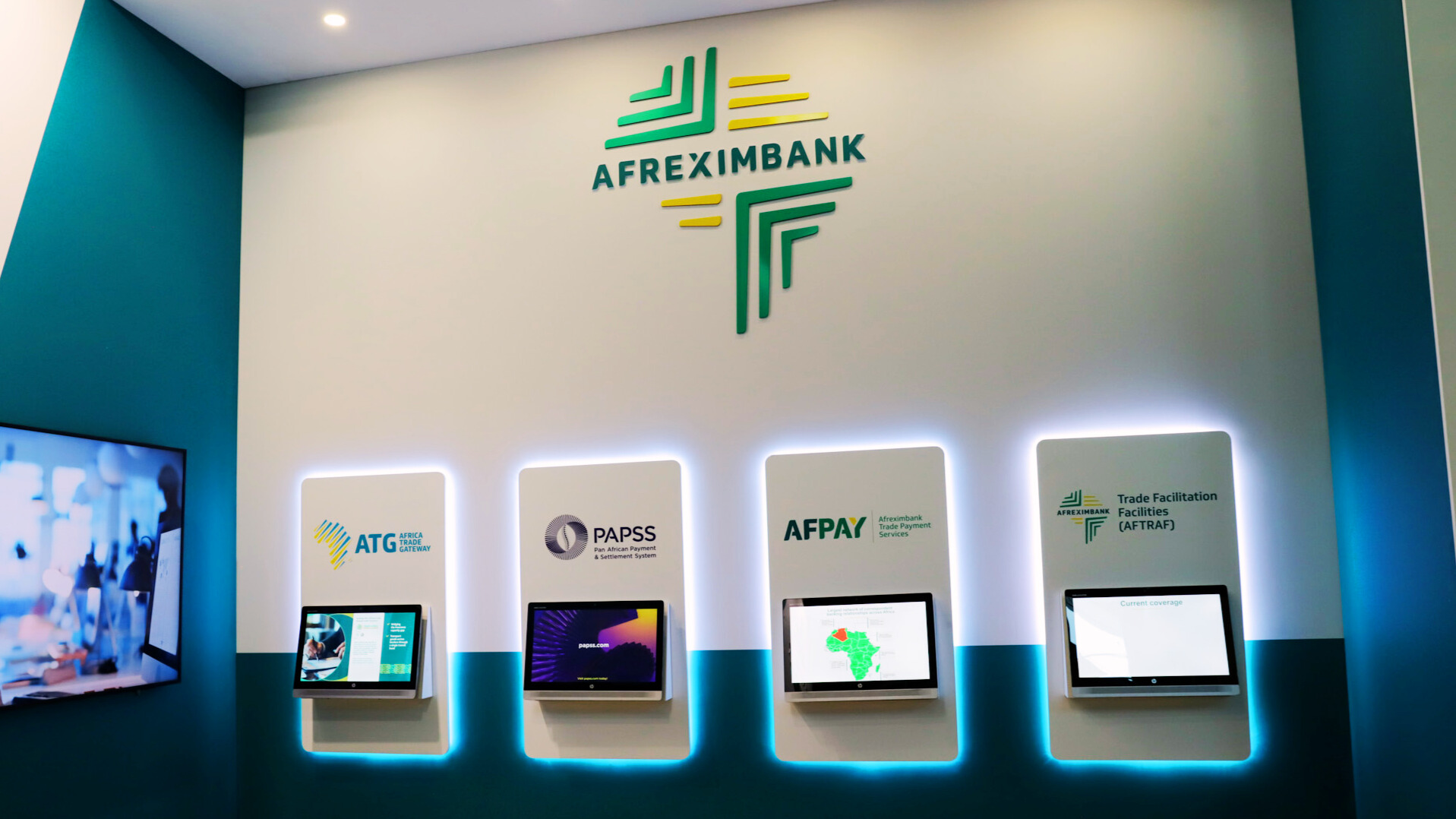
Headquartered in Cairo, Egypt, Afreximbank continues to anchor Africa’s trade finance ecosystem with initiatives such as the Pan-African Payment and Settlement System (PAPSS) and a US$10 billion AfCFTA Adjustment Fund.
