



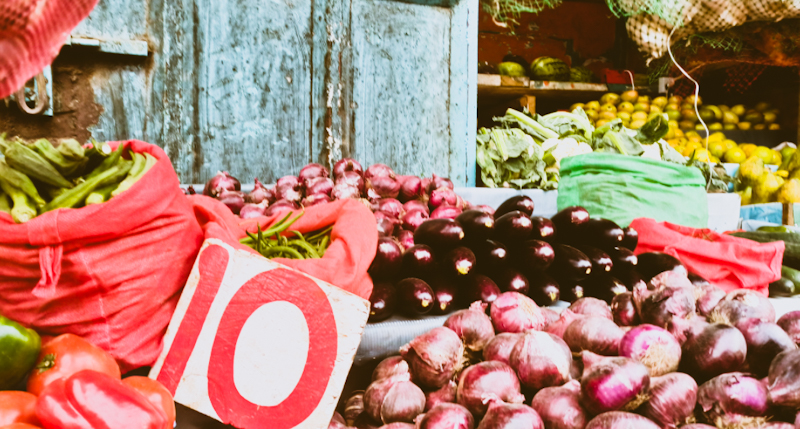
Kenya’s inflation rate stood at 4.5% in December 2025, unchanged from November and remaining close to its highest level since June 2024.
Despite persistent food price pressures, inflation stayed below the 5% midpoint of the Central Bank of Kenya’s (CBK) target range for the 19th consecutive month, underscoring continued macroeconomic stability.
Key Drivers of Inflation
According to the Kenya National Bureau of Statistics (KNBS) Consumer Price Indices (CPI) report:
- Tomatoes surged 30.3% year-on-year.
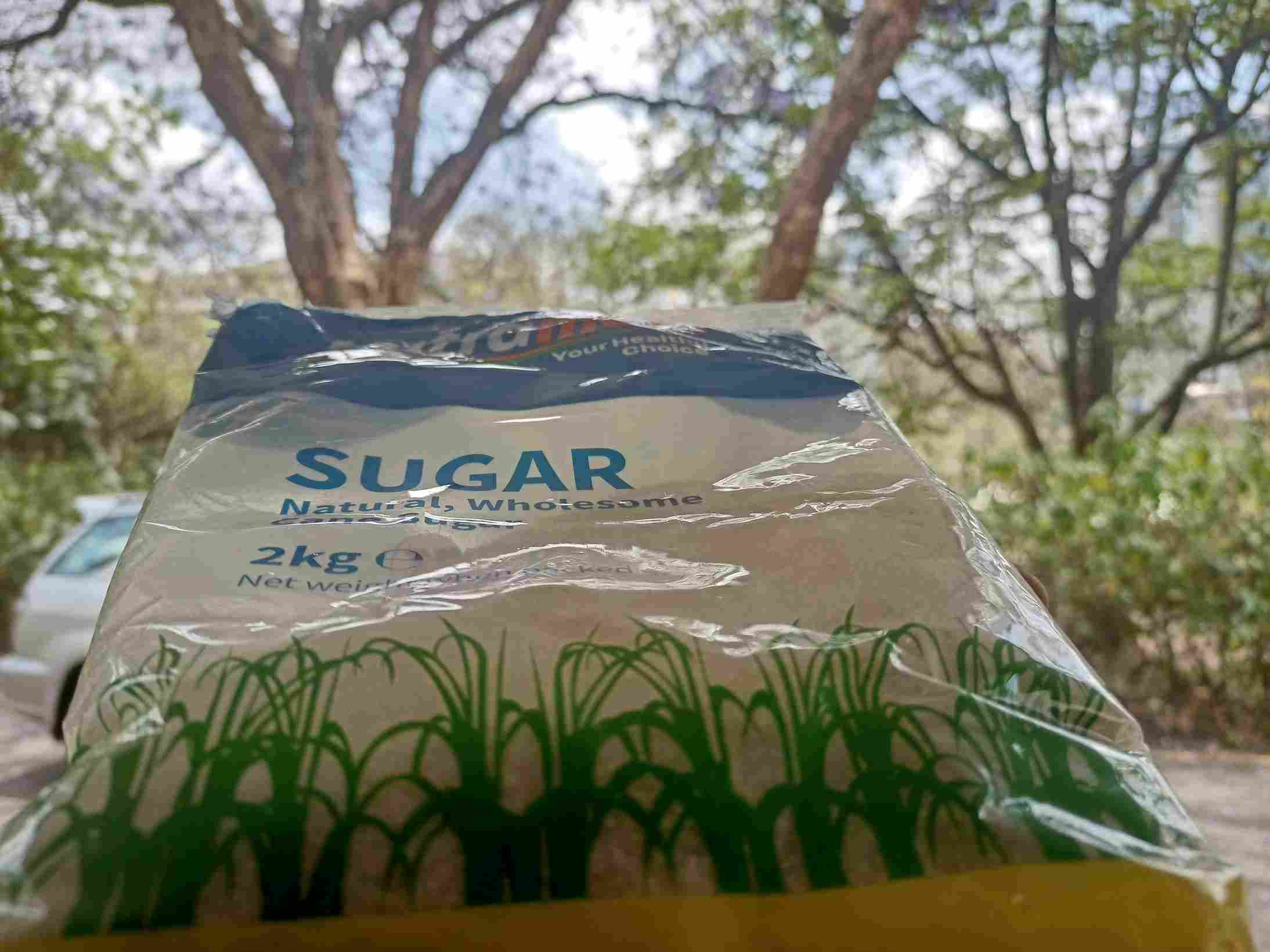
- Sugar prices rose 12.5%.
- Sukuma wiki (kale) jumped 23.4%.
- More moderate increases were seen in maize flour-sifted (1.0%), potatoes (4.5%), and cooking oil (0.1%).
Overall, food and non-alcoholic beverages rose 7.8%, transport costs increased 5.2%, and housing, water, electricity, gas and other fuels climbed 1.6%.
Policy Context
The Monetary Policy Committee (MPC) lowered the Central Bank Rate (CBR) by a cumulative 225 basis points to 9.0% in December 2025, down from 11.25% a year earlier. The easing aims to support private sector credit growth and economic expansion, though analysts caution it may gradually exert upward pressure on inflation.
For the year, average inflation stood at 4.1%, slightly lower than the 4.5% recorded in 2024.
Market Stability Indicators
- Month-on-month inflation: 0.6% in December 2025.
- Fuel prices: Super Petrol at KSh 184.5/litre, Diesel at KSh 171.5/litre (unchanged).
- Electricity costs: Declined by 2.8% (50 kWh) and 2.6% (200 kWh).
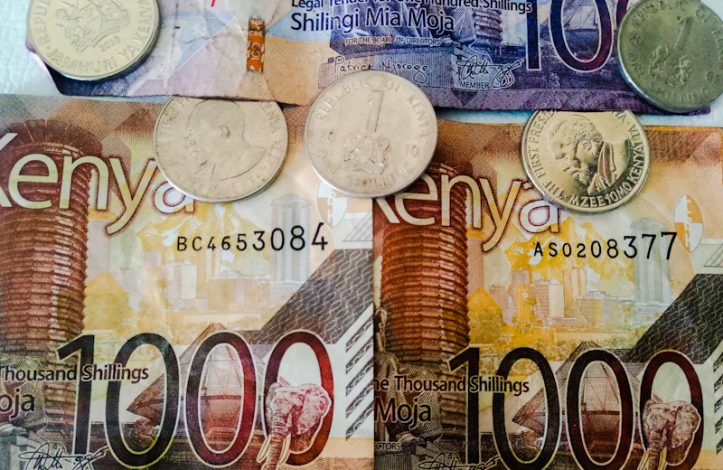
- Kenya Shilling: Appreciated 0.6% m/m against the USD to KSh 129.0, marking a 0.2% year-to-date gain.
Outlook
Economists expect inflation to remain within the CBK’s preferred 2.5%–7.5% range in the near term, supported by:
- A stable currency
- Steady fuel prices
- Favourable weather conditions are likely to ease food costs
Risks remain from elevated global fuel prices and the impact of monetary easing, which could gradually lift consumer spending and inflationary pressures.
