



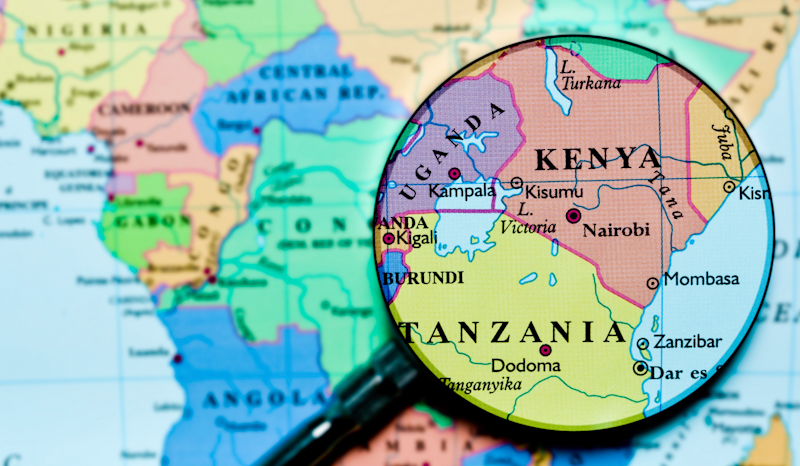
East Africa’s growth story in 2026 is set to be defined by Kenya’s public expenditure-driven resilience, Uganda’s oil-fueled expansion, Tanzania’s reform agenda, and Rwanda’s balancing act between strong growth and fiscal risks, according to the latest NCBA Bank 2026 Macroeconomic Outlook report.
Kenya: Growth Anchored in Public Spending and Services
Kenya’s economy is forecast to expand 5.1% in 2026, supported by momentum from Q4 2025. According to NCBA’s December 2025 outlook, the near-term growth model rests on public expenditure, agriculture, and service sector resilience.
However, debt servicing remains a pressing challenge, with the Treasury reporting that KES 509 billion was spent on debt service in Q1 FY2025/26 against KES 554 billion in tax revenue.
Khusoko notes that Kenya’s fiscal trajectory is under pressure, with Finance Minister John Mbadi warning that “heightened uncertainty due to recent tariff wars and intensification of geopolitical tensions continue to pose significant risks to global economies.” Despite this, Kenya’s growth continues to outpace global and regional peers, averaging above 5% in recent years.
The service sector is projected to expand by about 6% in 2026, while agriculture remains vulnerable to adverse weather forecasts. Privatisation proceeds and domestic borrowing are expected to play a role in financing development projects ahead of the 2027 elections.
Uganda: Oil Projects and Financing to Drive Expansion
Uganda is positioned as one of Africa’s fastest-growing economies, with GDP projected to expand 7.0%–7.5% in 2026. Growth will be supported by the resumption of concessional financing, steady exports, and final investment in oil export projects.
The Petroleum Authority of Uganda expects oil exports to begin in late 2026, though NCBA cautions this may slip into 2027. The Tilenga and Kingfisher fields could produce 230,000 barrels per day once operational. Inflation is forecast to average 4%–5%, with risks tilted to the downside due to easing global monetary conditions.
Public debt remains sustainable but is rising, with interest payments climbing to 4.4% of GDP in June 2025, reflecting heavier reliance on domestic financing.
Tanzania: Reform Continuity Key to Outlook
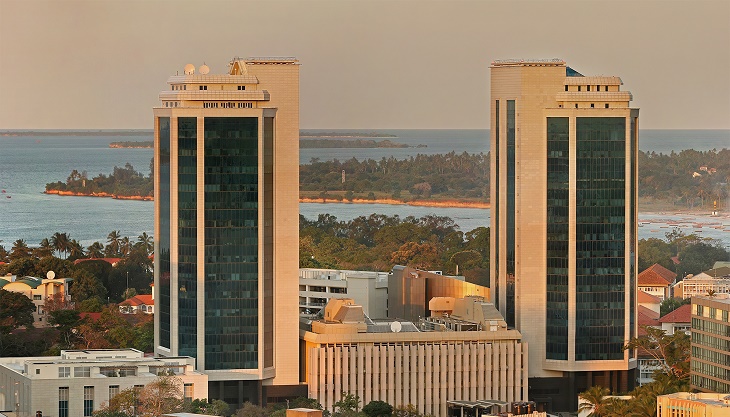
Tanzania’s economy is projected to grow 6.3% in 2026, contingent on whether the re-elected administration sustains ongoing economic reforms. NCBA highlights that a new IMF programme, expected after May 2026, could bolster donor confidence and support fiscal stability.
Inflation is expected to remain below the 5% upper band target, allowing the Bank of Tanzania to cut policy rates slightly. The current account deficit is projected to stay moderate, supported by stable export prices for gold, cashew nuts, and minerals. Risks include reduced donor support following post-election violence and potential fiscal slippages.
Rwanda: Strong Growth Amid Fiscal and Security Risks
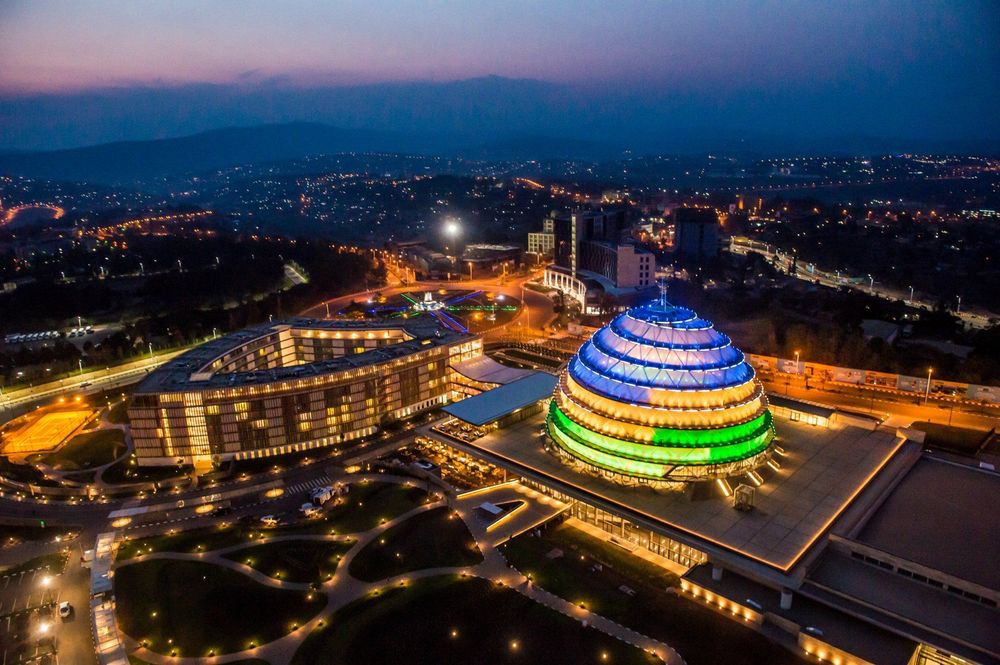
Rwanda’s economy is forecast to expand 7.2% in 2026, driven by services and construction. However, NCBA warns of regional insecurity, debt pressures, and fiscal risks tied to infrastructure projects. Public debt is projected to rise to 77.7% of GDP in 2026, above the 74% threshold.
The World Bank recently approved $100 million in funding to support debt risk management reforms. Inflation is expected to average 5.8%, within the National Bank of Rwanda’s target band, allowing cautious monetary easing. Yet, persistent current account deficits and tensions with the DRC could weigh on the Rwandese Franc.
Regional Outlook
East Africa’s growth prospects in 2026 remain robust but uneven. Kenya’s fiscal strain, Uganda’s oil timeline, Tanzania’s reform credibility, and Rwanda’s debt sustainability will be the key determinants of whether the region can sustain momentum amid global uncertainties.
