


 Clean cooking conversations in Kenya often revolve around solutions for our homes and businesses. But what about our schools?
For decades, there has been a silent crisis unfolding in Kenyan schools—one that continues to choke our forests, our children’s health, and our national budget.
Inside the Smoke-Filled Kitchens Endangering Health and Forests
Now, picture a typical kitchen in a learning institution. Smoky, soot-filled roofs with chimneys that billow smoke and piles of firewood. Never mind that the kitchen was repainted before school opened in January. Preparing wood for cooking takes manual labour, and the smoke has long-term adverse effects on kitchen staff. It’s an occupational hazard with potential legal and financial exposure for schools under health and safety laws.
LPG vs Firewood: A Cleaner, Safer Future for School Meals
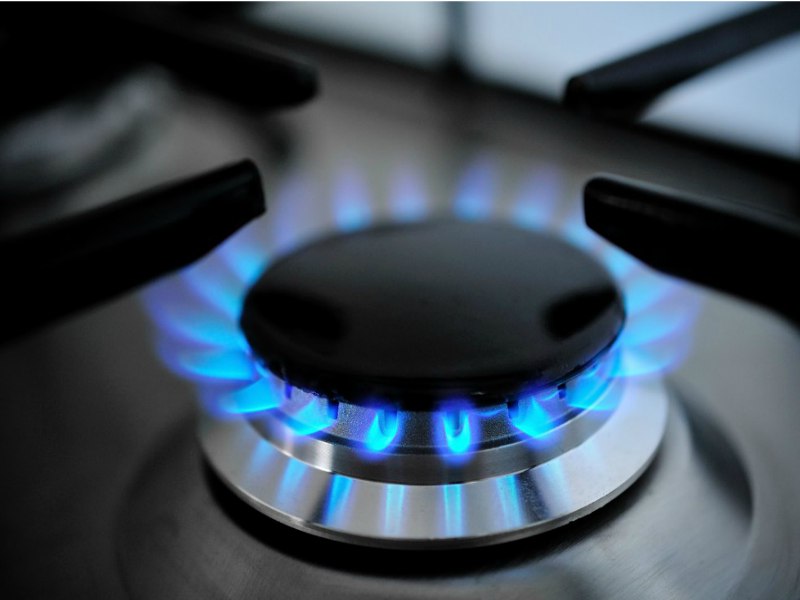
Compare that scenario with a school using Liquefied Petroleum Gas (LPG). No soot, no smoke, no piles of firewood, no splitting of wood, and no sick days from persistent colds and coughs. This is the vision outlined in the National LPG Growth Strategy and the 2024–2028 Kenya National Cooking Transition Strategy.
National LPG Strategy Targets 11,000 Schools by 2028
The National LPG Growth Strategy identifies institutional kitchens as a key focus. Launched in late 2024, the programme began with 20 pilot institutions and aims to expand to 11,000 schools nationwide.
Public-Private Partnerships Power Kenya’s Institutional LPG Rollout
The programme is a collaboration between the government and private LPG providers. These partners install large-scale LPG tanks and upgraded kitchen infrastructure and are contracted to refill the systems during use. This model promotes LPG businesses and supports the national goal of increasing gas penetration from 24% to 70% by 2028.
From KShs 600K to 300K: Schools Report Major Fuel Savings
Early adopters are already reporting cost savings. Schools previously spending around KShs 600,000 per term on firewood now spend between KShs 300,000 and 400,000 using LPG.
Scaling LPG Access: Government Eyes Open Tender Procurement
To make LPG more affordable, the government plans to procure gas through the Open Tender System—ensuring competitive pricing beyond existing tax incentives.
Why School Boards Must Embrace LPG Under Regulatory Oversight
School boards, administrators, suppliers, and local governments must embrace LPG adoption—underpinned by strong regulatory guidance.
LPG in Schools: A Bold Investment in Health, Environment, and Education
This is a bold ambition requiring robust infrastructure, enabling policies, and effective partnerships. While the upfront investment may seem significant, the long-term benefits to health, the environment, and education far outweigh the costs. Regulations will be key to ensuring safety and sustainability.
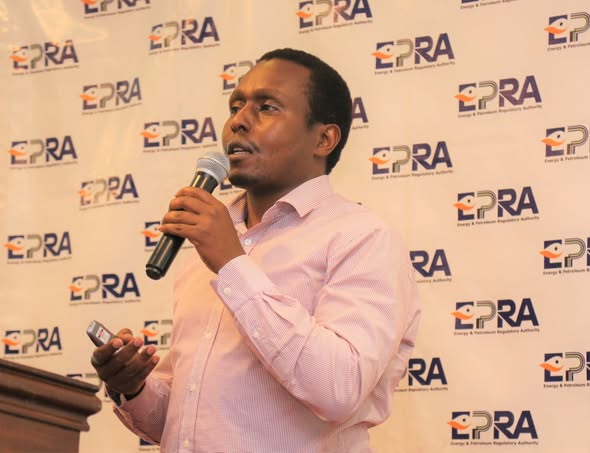
Ezra Terer is a senior gas officer at the Energy and Petroleum Regulatory Authority.
