



Kenya’s annual inflation rate remained unchanged at 4.6% in October, matching September’s figure, according to the Kenya National Bureau of Statistics (KNBS).
Month-on-month inflation also held steady at 0.2%, signalling price stability across key consumer categories.
Food Prices Ease as Maize Flour, Kale, Beans Decline
The Consumer Price Index (CPI) showed notable declines in staple food prices:
- A 2kg packet of fortified maize flour dropped to KES 168.56 from KES 172.41 in September.
- Kale prices fell by 1% to KES 91.56 per kilo.
- Beans declined by 0.6% to KES 180.99.
- Sugar prices eased by 0.5%.
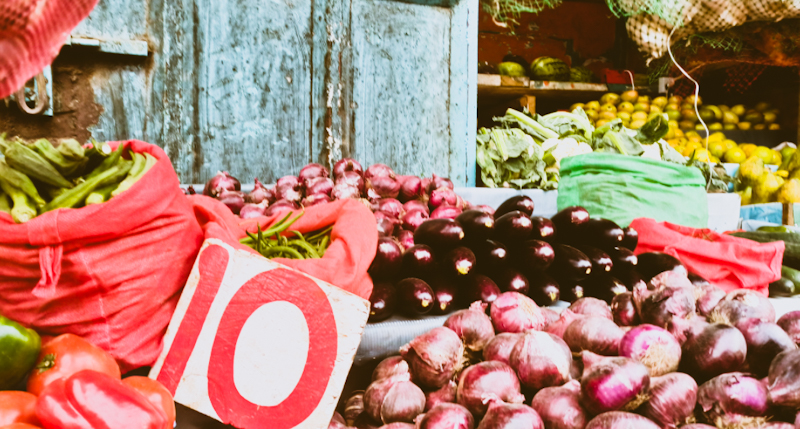
These reductions helped offset seasonal pressure on vegetable costs, with potatoes rising 1.6% to KES 92.69 and tomatoes up 1.2% to KES 87.88 per kilo.

CBK Rate Cut Supports Price Stability
The inflation stability follows the Central Bank of Kenya’s (CBK) decision to lower its benchmark lending rate by 25 basis points to 9.25% on October 7.
The Monetary Policy Committee (MPC) noted that inflation expectations remain anchored within the government’s medium-term target range of 2.5% to 7.5%.
“Inflation is projected to trend below the 5% mid-point of the target into Q1 2026,” the MPC said, citing stable energy prices, exchange rate resilience, and the onset of the maize harvest season.
Since August 2024, the CBK has cumulatively cut the Central Bank Rate by 375 basis points.
Fuel Prices Flat, Electricity Costs Edge Higher
The Energy and Petroleum Regulatory Authority (EPRA) maintained fuel prices for October:
- Super petrol: KES 184.52/litre
- Diesel: KES 171.47/litre
- Kerosene: KES 154.78/litre
However, electricity costs rose slightly, with 50 kilowatts now priced at KES 1,315.80—a 3.3% increase.

Outlook: Inflation Expected to Stay Below 5%
Despite minor upticks in select food and utility prices, Kenya’s inflation outlook remains favourable. KNBS data and CBK projections suggest continued price stability heading into 2026, supported by monetary easing and steady energy costs.
