



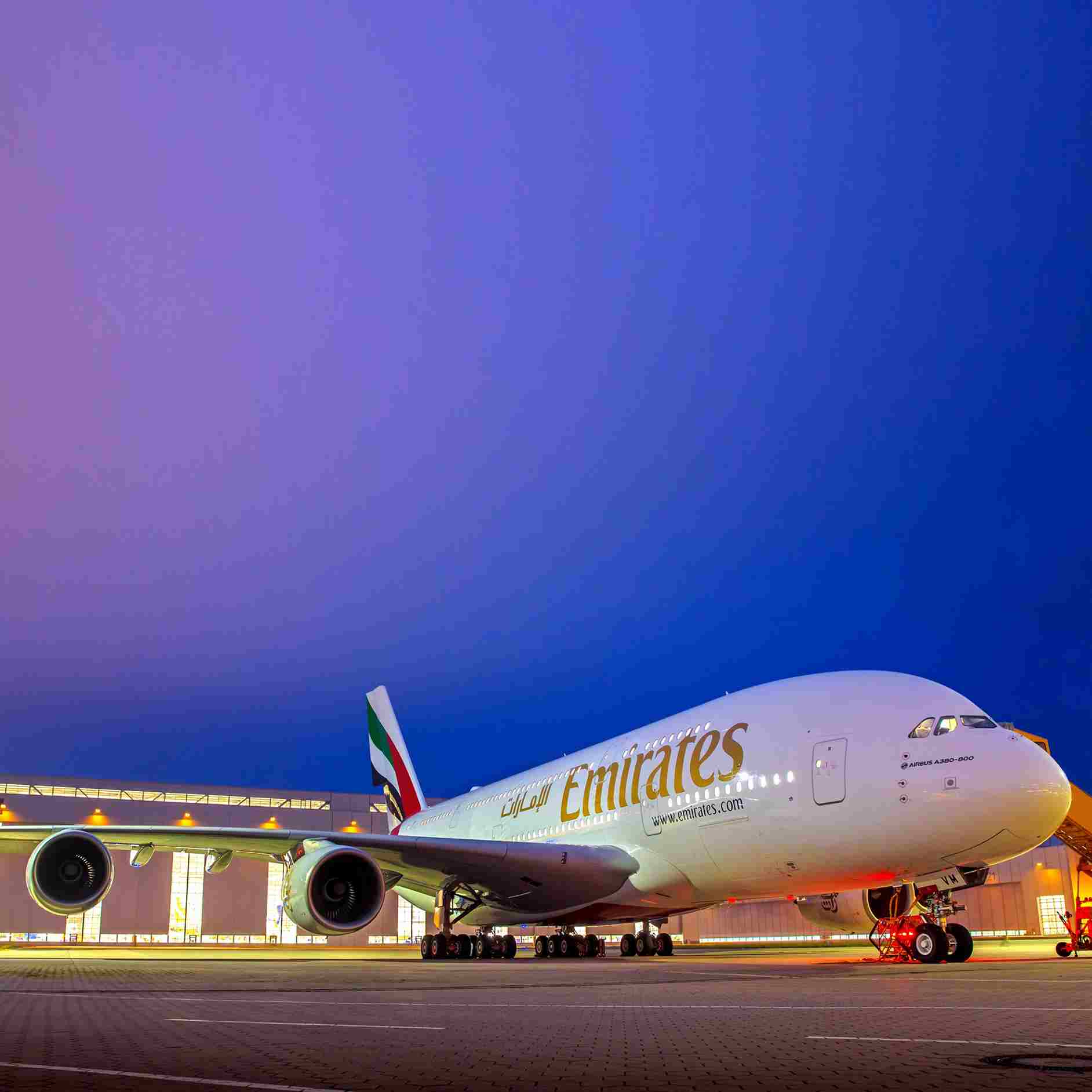
Emirates Airlines is marking 30 years of operations in Kenya with plans to scale up its presence in the East African market.
The Dubai-based carrier, which currently operates double daily Boeing 777 flights to Nairobi, is considering increasing flight frequency to meet rising demand from business, leisure, and cargo clients.
“If the ambition of tourism grows to five million tourists by 2030, it will require more seats, more capacity, and more frequency from Emirates,” said Christophe Leloup, Emirates’ Regional Director and Country Manager for Kenya. “We can realistically offer between 20 and 25 percent growth in the next three years.”
Nairobi: A Strategic Hub for Emirates’ Africa Growth
Since its inaugural flight to Nairobi in October 1995, Emirates has flown over 6.6 million passengers on more than 34,000 flights through Jomo Kenyatta International Airport. Kenya is now the airline’s second-best performing market in Africa, trailing only South Africa.
The carrier’s renewed focus on Kenya aligns with the government’s ambitious target of attracting five million tourists by 2030. Emirates’ expansion plans are expected to support this goal by boosting international seat capacity and enhancing connectivity to over 150 global destinations.

Cargo Growth and CEPA: Tapping Kenya’s Export Potential
Beyond passenger traffic, Emirates is doubling down on cargo. In 2024 alone, the airline transported over 16,000 tonnes of Kenyan flowers, fruits, vegetables, and meat to markets in the UAE, Europe, and Asia. The airline plans to introduce five new freighter aircraft as part of a 21-aircraft fleet expansion, enhancing its ability to support Kenya’s thriving agricultural export sector.
“Emirates is supporting Kenya’s export ambitions by connecting local producers to the world,” Leloup said. “We see Nairobi not just as a passenger hub, but as a growing cargo gateway into the Middle East, Europe, and Asia.”
The airline’s cargo strategy is closely tied to the Kenya–UAE Comprehensive Economic Partnership Agreement (CEPA), signed earlier this year. The agreement aims to remove trade barriers, promote investment, and accelerate Kenyan exports to Gulf nations.
Emirates–Kenya Airways Partnership Unlocks Regional Travel
A key pillar of Emirates’ East Africa strategy is its interline partnership with Kenya Airways, signed in 2023. The collaboration enables seamless one-ticket itineraries and has already served over 31,000 passengers in two years.
Emirates passengers connect via KQ to destinations like Rwanda, Malawi, Mozambique, and Burundi, while KQ travellers access Emirates’ global network through Dubai to the U.S., China, Asia, and Europe.
“The partnership with Kenya Airways is strategic,” Leloup noted. “It allows Emirates to reach destinations in Africa where we don’t operate directly, while giving KQ passengers seamless access to our global network.”
Travel Experience, Jobs, and Community Impact
Emirates remains the only airline serving Kenya with private First Class suites and offers generous baggage allowances up to 64KG in premium cabins. Passengers enjoy regionally inspired menus and over 6,500 entertainment channels, including Kenyan content.
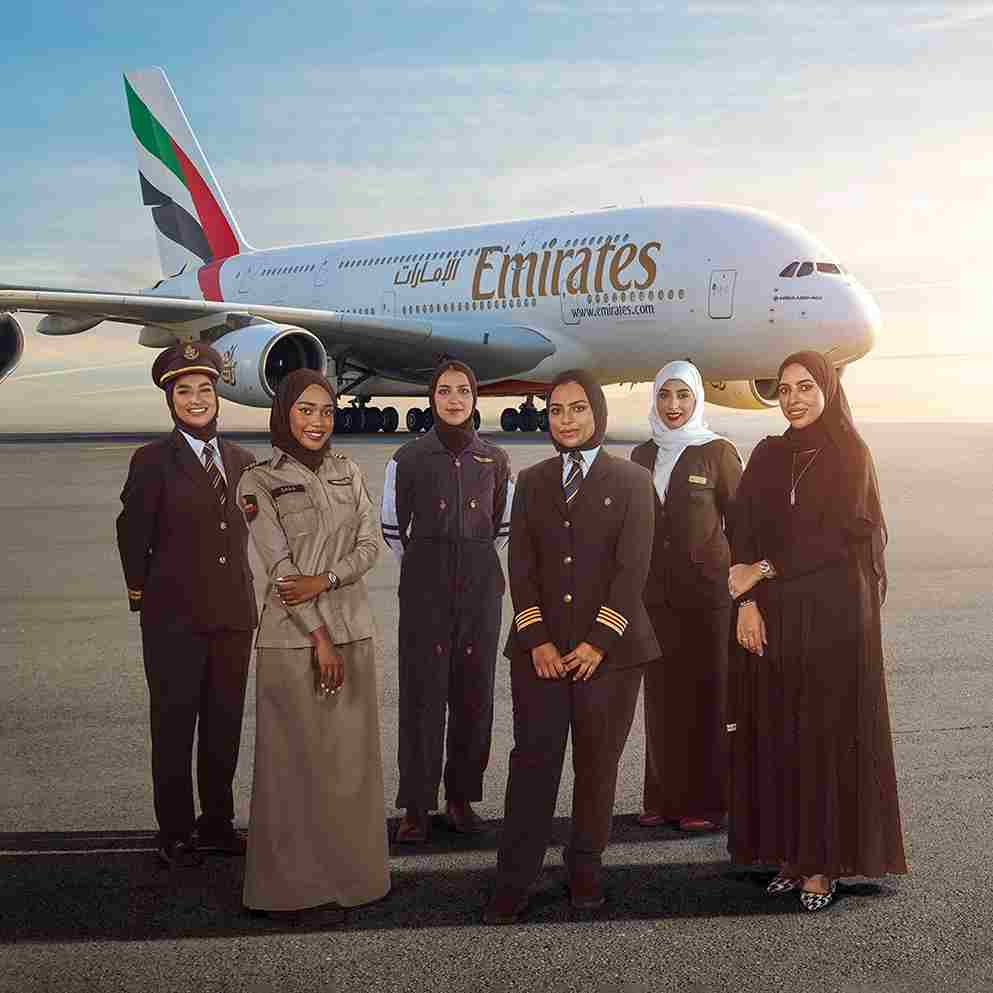
The airline employs over 1,100 Kenyans globally, including 250 cabin crew and 40 pilots. It also supports local communities through the Emirates Airline Foundation, funding education and welfare programs for vulnerable children.
Policy Watch: Emirates Warns Against New Ticket Levies
Despite its growth outlook, Emirates has raised concerns over proposed additional levies on air tickets in Kenya. Leloup warned that such measures could increase travel costs and hinder aviation growth.
“It adds to the cost of travel, and in Africa, one of the main challenges remains the high cost of air transportation,” he said. “Open skies provide opportunities for business and leisure, and help reduce the cost of travel. Emirates will remain a key player in connecting Kenya to the world.”
What It Means for Travellers and Trade
- More Flights, More Access: Emirates’ potential increase in flight frequency means greater flexibility and more options for travellers flying to and from Kenya.
- Boost for Tourism: The airline’s expansion supports Kenya’s goal of becoming a top African tourism destination.
- Stronger Trade Links: Enhanced cargo capacity and CEPA implementation position Kenya as a key export hub to the Gulf and beyond.
- Regional Integration: The Emirates–KQ partnership is unlocking new intra-Africa travel corridors and long-haul connections.
