



In Africa’s vibrant but capital-constrained startup ecosystem, early-stage entrepreneurs often face a paradox: high-impact ideas with low access to funding.
Aeko Ongodia founded XENO Investment, a goal-based investment platform serving individuals, families, and institutions in Kenya and Uganda.
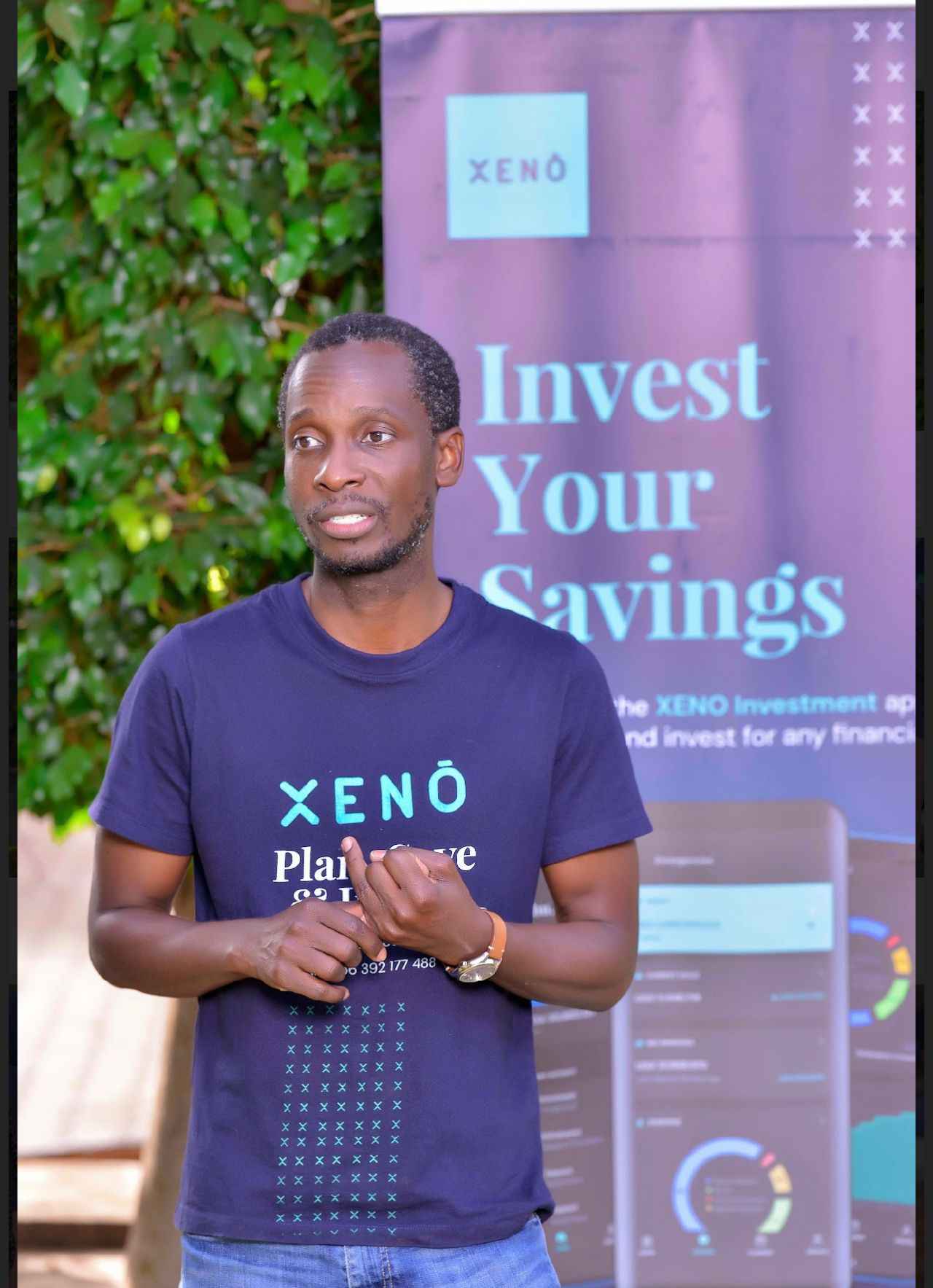
“Being a startup with no collateral or even a history of revenue to show the banks, they didn’t want to touch us, even with a 10-foot pole!
That is the reality for many African founders. Traditional financing channels are risk-averse, and early-stage ventures often lack the track record to attract institutional capital. For XENO, this meant slow growth and missed opportunities until Boost Africa stepped in.
How Boost Africa Catalysed XENO Investment’s Growth
Boost Africa is a joint initiative of the European Investment Bank (EIB) and the African Development Bank (AfDB), with support from the European Commission and the Organisation of African, Caribbean and Pacific States (OACPS). Its mission is clear: to catalyse early-stage venture capital investment in Africa, build a strong pipeline of innovative SMEs, and unlock private sector capital.
Through Seedstars Ventures, one of the six VC funds backed by Boost Africa, XENO secured seed investment that transformed its trajectory. The impact was immediate and exponential.
| Metric | Before Boost Africa | After Boost Africa |
| Total Customers | 120,000 | 500,000+ |
| Active Users | 30,000 | 60,000 |
| Funds Under Management | USD 15M | USD 30M |
“Within a year, we were able to serve 4X the growth in customers than we were previously able to reach. The growth was exponential, to say the least,” Ongodia tells Khusoko.
This was not just about numbers. It was about unlocking financial inclusion for hundreds of thousands of East Africans, enabling them to plan and save for their futures through a digital-first platform.
Capital: Technical Assistance That Builds Resilience
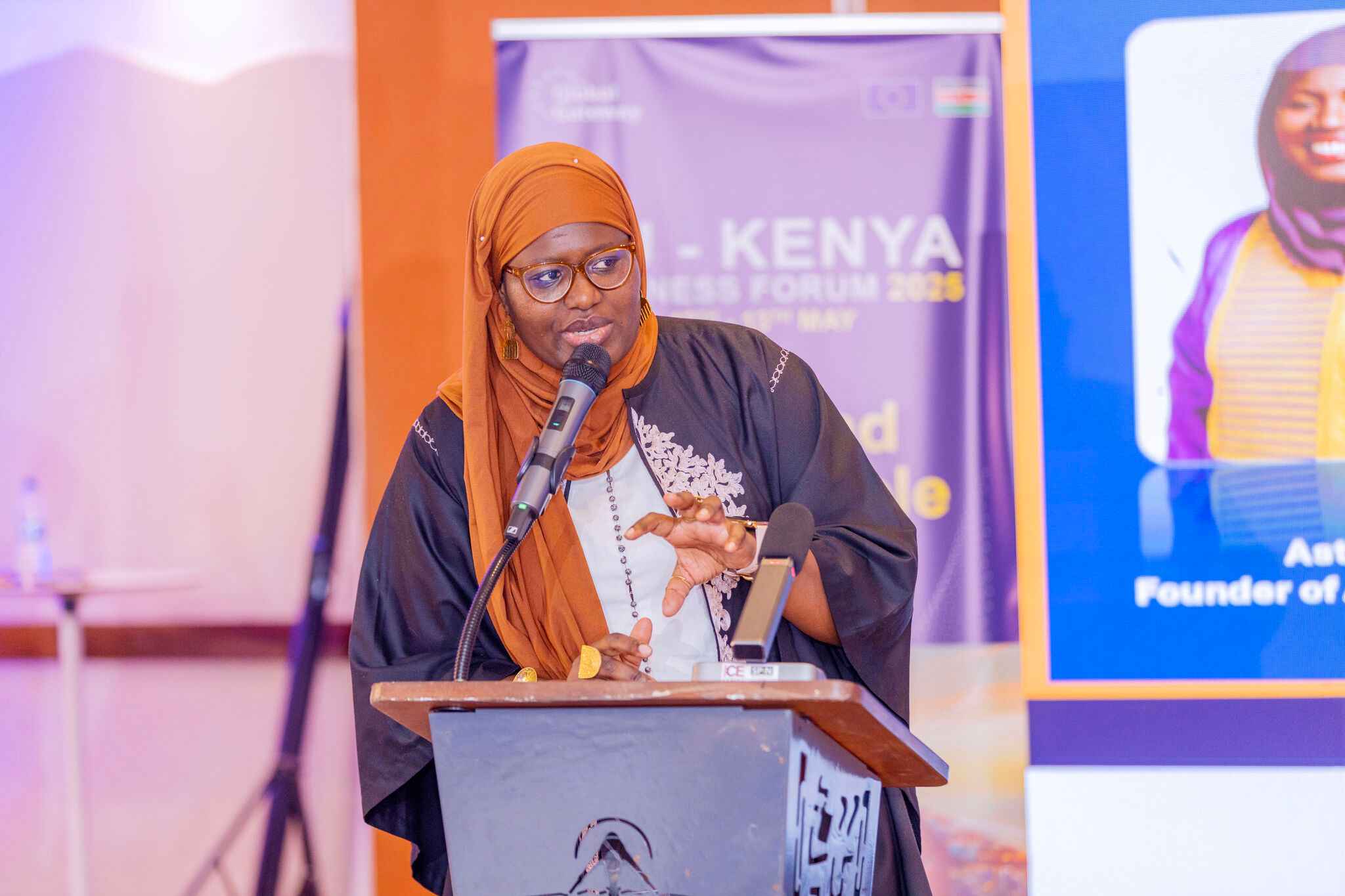
Boost Africa’s value proposition goes far beyond funding. As Astou Dia, part of the Delivery Team at Boost Africa’s Technical Assistance Facility (TAF), implemented by Adam Smith Europe, explains:
“We focus on providing tailored technical assistance to high-potential African startups supported by Boost Africa-backed venture capital funds.”
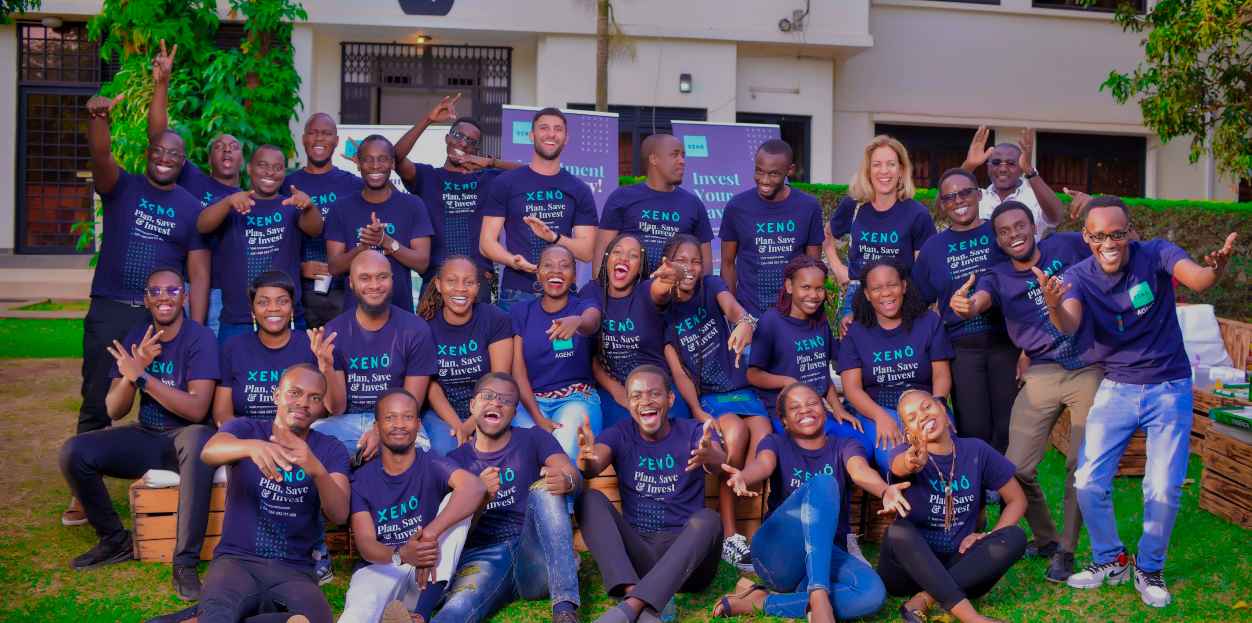
For XENO, this meant access to strategic, operational, and governance support; the kind of expertise that startups rarely afford but desperately need. XENO’s executive team benefited from growth training, mentoring, and board governance workshops that sharpened their internal systems and investor readiness.
“Boost Africa has helped Kenyan SMEs strengthen internal systems (governance, ESG, finance, marketing, talent), accelerate growth, and improve fundraising readiness.”
This holistic approach is what makes Boost Africa a standout initiative in Africa’s venture landscape.
Tech-Enabled, Impact-Driven: Why Digital Tools Matter
Ongodia says for them, technology is everything. How they scale, serve, and simplify financial planning for their users. Boost Africa’s support allowed XENO to invest in digital infrastructure that expanded its reach without inflating operational costs.

“Our customers are able to plan their financial journey through the touch of a button.”
This aligns with Boost Africa’s broader strategy of supporting tech-enabled ventures in priority sectors like fintech, logistics, telecom, edtech, healthtech, and agritech.
In Kenya, Boost Africa has supported startups like Shamba Pride, Tugende, Turaco, Poa Internet, and GoMyCode, each solving real market gaps through innovation.
Boost Africa’s Broader Footprint: A Strategic EU-Aligned Mission
According to the EIB Global Impact Report 2024/2025, Boost Africa is part of a wider EU strategy to deliver on Sustainable Development Goals (SDGs) and build win-win partnerships across Sub-Saharan Africa.
In 2024 alone, EIB Global invested:
- €7.9 billion was signed across 102 global projects
- 60% targeted climate action and environmental sustainability
- €6.7 billion supported the EU’s Global Gateway strategy
- 28% of projects contributed significantly to gender equality
The results speak volumes:
- 1.8 million people gained access to safe drinking water
- 7.1 million households were supplied with clean electricity
- 800,000 jobs were sustained in smaller companies
- 600,000 people benefited from improved health services
Boost Africa’s contribution to this impact is tangible. As Astou Dia notes:
“The programme has delivered 70+ technical assistance assignments to portfolio companies across Africa.”
It is not just about numbers. It’s about building resilient ecosystems. Boost Africa is now evolving into the Boost Africa Venture initiative, which will embed stronger collaboration with incubators, accelerators, and government agencies to widen access to coordinated support.
“This means actively fostering collaboration with incubators, accelerators, and government agencies that support SMEs, to ensure that more early-stage entrepreneurs can access coordinated support and pathways to investment,” adds Astou.
What Makes a Startup Stand Out
From Ongodia’s journey with XENO, and from Boost Africa’s broader experience, a few lessons stand out for aspiring entrepreneurs:
- Build scalable, tech-enabled solutions that solve real market gaps
- Focus on governance and financial discipline from the start
- Invest in teams, not just products
- Be data-driven and impact-oriented — investors value measurable results
- Seek mentorship and be open to capacity-building
As Astou Dia puts it:
“Africa’s entrepreneurial ecosystem is evolving fast, and Kenya is at its heart. Be bold, build for scale, and seek support networks that can help you grow responsibly and sustainably.”
If Boost Africa Hadn’t Come In…
Without Boost Africa, our journey would have been painfully slow. Limited access to traditional financing would have delayed XENO’s growth by years.
“The growth of XENO Investments would have been painfully slow. The growth we are seeing now may not have been possible. It would have taken years if we had to try to source traditional financing.”
Boost Africa exists to unlock potential. For XENO, it did just that. For Africa’s next wave of innovators, it could be the difference between surviving and scaling.
