



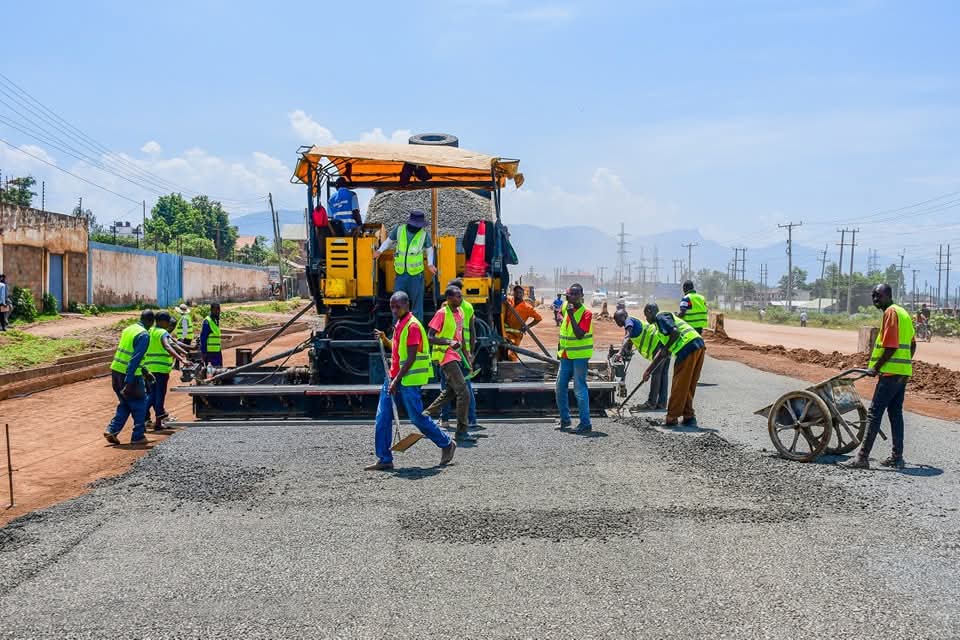
The East African Community (EAC) has confirmed the Kisumu–Busia/Kakira–Malaba expressway as a feasible and investment-ready infrastructure project.
In a statement issued on October 21, the EAC declared:
“Kenya-Uganda Expressway good to go. Movement between Kenya and Uganda via the Northern Corridor is set for transformation.”
The expressway will span nearly 200 kilometres, connecting Kisumu and Busia in Kenya to Kakira and Malaba in Uganda. It was endorsed during a Market Sounding Conference in Kampala, where government officials, financiers, and private sector leaders reviewed feasibility studies and investment models.
Key Upgrades on Both Sides of the Border
In Uganda:
- A new 60-kilometre greenfield expressway from Jinja to Busesa under a Public–Private Partnership (PPP)
- Dualling of Busesa–Malaba and Busitema–Busia roads
- Lwakhakha–Bumbobi to remain a single carriageway
In Kenya:
- Dualling of the Kisumu bypass
- Upgrading of Kimaeti–Lwakhakha road to bitumen standards
- Rehabilitation of Busia and Malaba One-Stop Border Posts (OSBPs) to ease customs clearance
“This expressway project will catalyse economic growth and enhance the competitiveness of the EAC region,” said Eng. Charles Obuon, Director of PPPs at the Kenya National Highways Authority.
Ruto Unveils National Highway Expansion Plan
The announcement comes a day after President William Ruto revealed plans to dual over 1,000 kilometres of major highways across Kenya. Speaking during Mashujaa Day celebrations in Kitui County, he said:
“We have committed to dual at least 1,000 kilometres of major highways including the Rironi-Nakuru-Mau Summit-Eldoret-Malaba road, Makutano-Embu-Meru road, and Mombasa-Nairobi highway.”
Ruto credited the late Raila Odinga’s infrastructure vision, noting:
“Raila often reminded me that no economy can flourish without world-class infrastructure.”
He also announced plans to construct 10,000 kilometres of new tarmac roads and complete the Standard Gauge Railway (SGR) from Naivasha to Kisumu and onward to Malaba.
Regional Integration and Investment Momentum
The expressway is part of a broader EAC infrastructure programme supported by the African Development Bank (AfDB) and NEPAD-IPPF. It aims to reduce transport costs, attract investment, and accelerate the free movement of goods and people.
“The project aligns with Uganda’s Vision 2040,” said Hon. Gen (Rtd.) Katumba Wamala, Uganda’s Minister for Works and Transport. “Private sector participation through PPPs will be critical.”
EAC Deputy Secretary General Hon. Andrea Aguer Ariik Malueth added:
“Eighty percent of projects fail at the preparation stage. Development partners have helped us prepare high-quality, bankable regional infrastructure.”
Backbone of East Africa’s Trade Corridors
The Kisumu–Busia/Malaba–Jinja Expressway joins a growing list of multinational corridors, including:
- Arusha–Namanga–Athi River (235 km)
- Voi–Taveta–Moshi–Arusha (240 km)
- Malindi–Lungalunga–Tanga–Bagamoyo (400 km)
- Masaka–Mutukula–Bugene–Kyaka
- Lusahunga–Rusumo–Kayonza–Kigali
- Ngozi–Kirundo–Kanyaru Bas–Nyamiyaga
These corridors form the backbone of East Africa’s transport strategy, designed to unlock trade, mobility, and regional growth.
Kenya Allocates KSh 41 Billion to Expand Mombasa Port Throughput
